No products in the cart.
Troubleshooting Sudden Stoppages in Stepper Motors

Contents
- Understanding Stepper Motor Operation and the Importance of Addressing Sudden Stoppages
- Potential Causes of Sudden Stoppages: A Comprehensive Overview
- Electrical Issues and Their Diagnosis
- Mechanical Issues and Binding
- Control System and Software Errors
- Troubleshooting Steps for Sudden Stoppages
- Frequently Asked Questions (FAQ)
Stepper motors are crucial for precise motion control in industrial automation. When a stepper motor stops suddenly during operation, it can halt production and lead to costly downtime. This article explores the common causes of sudden stoppages, including electrical faults, mechanical binding, and control system errors, providing practical troubleshooting steps for CNC applications.
Mermak CNC Technical Guide
Practical notes for CNC router, automation and industrial motion systems.
Understanding Stepper Motor Operation and the Importance of Addressing Sudden Stoppages
Stepper motors are fundamental components in industrial automation, enabling precise positioning and speed control in applications ranging from CNC routers and robotic systems to 3D printers and packaging machinery. They convert digital signals into mechanical motion by rotating in discrete steps, driven by pulsed electrical currents applied to their windings. This step-by-step movement allows for accurate control over position and direction.
However, unexpected stoppages during operation can disrupt production lines, cause delays, and lead to significant financial losses. A sudden halt in a stepper motor’s operation can affect the entire system it’s integrated into, potentially damaging workpieces or creating safety hazards. Therefore, understanding the root causes of these stoppages and implementing effective troubleshooting strategies is essential for maintenance technicians and engineers working with automated industrial equipment.
Potential Causes of Sudden Stoppages: A Comprehensive Overview
Sudden stoppages in stepper motor systems are often the result of complex interactions between various components, including electrical, mechanical, and control systems, as well as environmental factors. A systematic approach is crucial for accurate diagnosis and resolution. Stoppages can manifest as lost steps (where the motor fails to reach its commanded position) or a complete loss of power and motion.
Electrical Issues and Their Diagnosis
Electrical problems are among the most frequent culprits behind sudden stepper motor failures. These can originate from the motor itself, the power supply, or the motor driver.
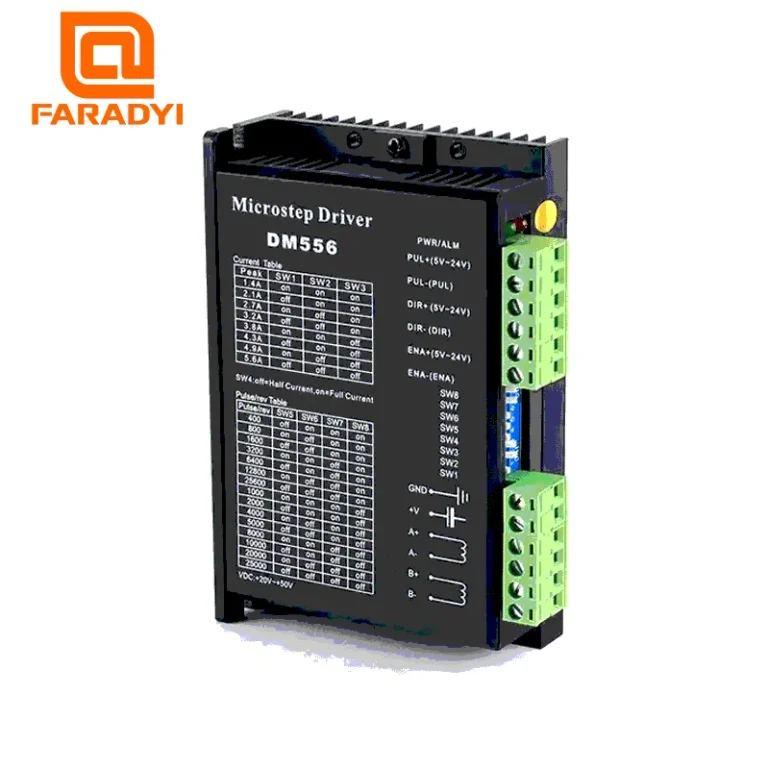
Driver Malfunctions: The motor driver is responsible for delivering precise current pulses to the motor windings. Overcurrent, overvoltage, overheating, or internal component failures within the driver can trigger protective shutdowns, causing the motor to stop. Error indicators on the driver or diagnostic software can provide initial clues. Incorrect microstepping settings or improper current reference values can also lead to erratic motor behavior or stoppages.
Power Supply Problems: A stable and adequate power supply is critical. Insufficient current capacity, voltage drops under load, or electrical noise can disrupt the motor’s operation. If the motor’s peak current demand exceeds the power supply’s capability, voltage can sag, causing the driver to lose power and stop the motor. Undersized wiring can also contribute to voltage drops.
Cabling Errors: Faulty wiring, including open circuits, short circuits, loose connections, or damaged insulation, can directly cause motor malfunctions. In industrial environments, vibration and wear can degrade cable integrity. Electromagnetic interference (EMI) from nearby power cables can also corrupt control signals, leading to incorrect motor movements or shutdowns. Ensure proper shielding and routing of signal and power cables.
Motor Winding Faults: Internal issues within the motor windings, such as open circuits, short circuits between phases or to ground, or insulation breakdown, can result in uneven torque production or complete motor failure. Signs may include overheating, unusual odors, or abnormal resistance readings between motor phases. Measure winding resistance with a multimeter and compare it to the manufacturer’s specifications.
Mechanical Issues and Binding
Mechanical problems can impose excessive load on the motor, leading to stalls or damage.
- Bearing Failure: Worn or damaged bearings in the motor or connected machinery can increase friction significantly, making it difficult for the motor to turn.
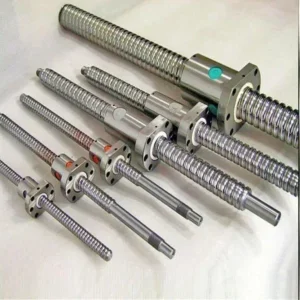
- Misalignment: Improper alignment between the motor shaft and the driven load (e.g., a lead screw or pulley) can create binding forces. This is common in CNC machines where linear guide rail systems and ball screws must be precisely aligned.
- Obstructions: Foreign objects or debris entering the mechanical system can physically impede the motor’s rotation.
- Overload Conditions: Exceeding the motor’s rated torque capacity due to heavy cutting forces, excessive acceleration, or improper load matching can cause it to stall. This is particularly relevant in CNC router applications where the spindle motor encounters dense materials.
Control System and Software Errors
Issues within the control system or the software commanding the motor can also trigger unexpected stops.
- Incorrect Motion Profiles: Rapid acceleration or deceleration settings that are too aggressive for the motor’s capabilities can lead to step loss or stalls.
- Command Signal Issues: Intermittent or corrupted command signals from the motion controller (e.g., a CNC controller or PLC) can cause the motor to stop or behave erratically.
- Software Glitches: Bugs in the control software or firmware can sometimes lead to unexpected behavior, including motor shutdowns.
- Overheating of Control Electronics: If the motor driver or controller itself overheats, it may shut down to protect its components. Ensure adequate ventilation for all control cabinets and components.
Troubleshooting Steps for Sudden Stoppages
When a stepper motor stops unexpectedly, follow these systematic steps:
- Visual Inspection: Check for obvious signs of damage, loose connections, overheating, or obstructions in the mechanical system.
- Verify Power Supply: Measure the voltage output of the power supply under load to ensure it’s within the specified range. Check cable connections and wire gauges.
- Inspect Motor and Driver: Examine the motor for signs of overheating or damage. Check the driver for error codes or indicator lights. Ensure the driver is correctly configured for the motor’s specifications (voltage, current, steps per revolution).
- Test Cabling: Use a multimeter to check for continuity and short circuits in the motor and signal cables. Ensure all connections are secure.
- Check Mechanical Load: Disconnect the motor from the load and manually try to rotate the motor shaft and the driven mechanism. Check for binding or excessive resistance. Ensure proper alignment of components like linear guide rails and ball screws.
- Review Control Signals: If possible, use an oscilloscope or logic analyzer to verify the command signals being sent to the driver. Check the motion control software for any error logs or unusual parameters.
- Monitor Temperatures: Use an infrared thermometer to check the temperature of the motor, driver, and power supply during operation.
Addressing these potential issues systematically will help identify and resolve the cause of sudden stepper motor stoppages, ensuring the reliable operation of your industrial machinery.
Frequently Asked Questions (FAQ)
What is the most common reason for a stepper motor to stop suddenly?
The most common reasons often relate to electrical issues, such as an inadequate or unstable power supply, a malfunctioning motor driver, or faulty wiring. Overheating and excessive mechanical load leading to binding are also frequent causes.
Can a CNC machine’s control system cause a stepper motor to stop unexpectedly?
Yes, issues within the CNC control system, such as incorrect motion profile settings (e.g., overly aggressive acceleration/deceleration), corrupted command signals, or software glitches, can lead to unexpected stepper motor stoppages. Ensuring the controller is properly configured and communicating effectively is crucial.
How does overheating affect stepper motor operation?
Overheating can damage the motor windings’ insulation, leading to short circuits or open circuits, which can cause the motor to stop or perform erratically. Motor drivers also have thermal protection that will shut them down if they overheat, thus stopping the motor.