No products in the cart.
Essential Safety Rules for CNC Operators: A Comprehensive Guide
Contents
CNC Operatörleri İçin İş Güvenliği Kuralları: Kapsamlı Saha Rehberi


Introduction and Technical Analysis
As an indispensable part of the industrial automation and manufacturing sector, CNC (Computer Numerical Control) machines form the backbone of modern production by offering high precision, repeatability, and efficiency. However, these advanced technology machines also bring serious occupational safety risks. CNC operators work daily with potential hazards such as rotating spindles, sharp tools, high-pressure coolant fluids, moving axes, and electrical energy. Ignoring these hazards or failing to comply with safety rules can lead to consequences ranging from material damage to limb loss, and even fatal accidents. This comprehensive field guide and technical article aims to analyze the risks that CNC operators may encounter in detail, presenting the necessary precautions and fundamental occupational safety rules to minimize these risks from an expert perspective. Our goal is not only to list the rules but also to explain the logic and reasons behind them, thereby fostering a strong safety culture among operators. Safety is not merely a legal obligation; it is an integral part of efficient and sustainable production, employee health, and corporate reputation.
Operating Principles and Technical Data
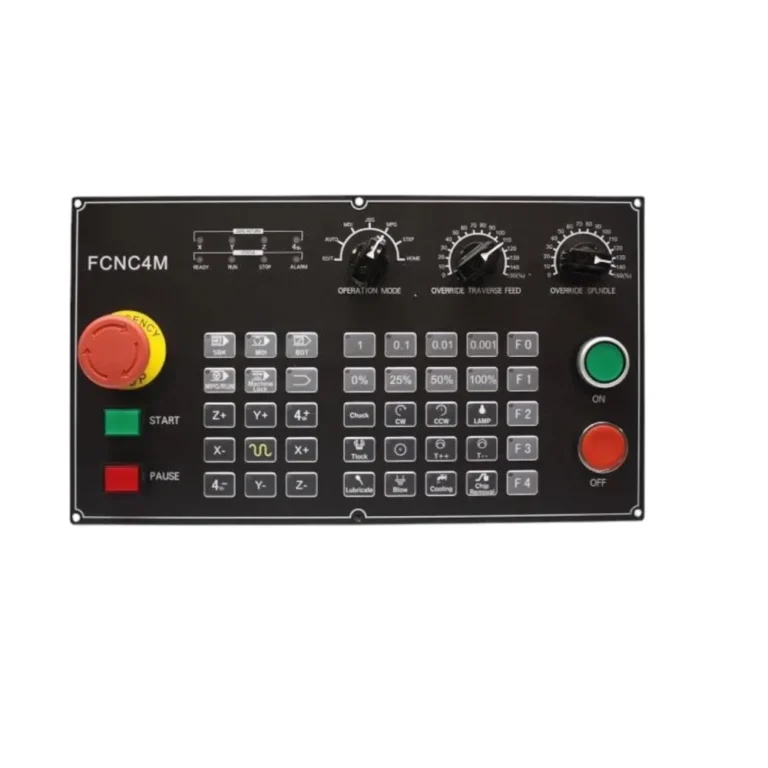
CNC machines are programmable multi-axis systems controlled by computers. They precisely manage tool paths, speeds, feeds, and other machine functions through G-codes and M-codes. This complex structure provides operational efficiency while also harboring many potential sources of danger. For example, the high-speed rotation of the spindle increases the risk of workpiece ejection, while improper tool clamping or wear can lead to tool breakage and serious injuries. Understanding the machine’s operating principles and technical specifications is essential to grasp why safety precautions are so critical. Subsystems such as electrical systems, hydraulic or pneumatic drive systems, and coolant and chip management also carry inherent safety risks. Operators must have complete knowledge of the machine’s technical limits, the functioning of emergency stop mechanisms, the purpose of safety barriers, and the functions of all sensors on the machine. Specifically, the Emergency Stop (E-Stop) button is one of the most critical safety devices. It instantly cuts all machine movements and power supply, preventing dangerous situations. Operators must be thoroughly familiar with the location, function, and usage of this button and check it regularly. Furthermore, safety interlocks on machine doors prevent the doors from opening while the machine is operating, thus preventing operator contact with moving parts. It is vital that such protective devices are never bypassed or tampered with. Coolants and lubricants also pose risks such as chemical exposure, slippery floors, and respiratory irritation through vaporization. Therefore, Material Safety Data Sheets (MSDS/SDS) must be carefully reviewed, and appropriate Personal Protective Equipment (PPE) must be used. Chip management is another safety concern; hot, sharp, and sometimes long chips can cause severe cuts or burns. Therefore, proper procedures must be followed for safe chip removal and disposal.
| Parameter | Value/Description |
|---|---|
| Emergency Stop Response Time | Typically under 100 ms (Varies by machine and controller). |
| Protective Barrier Material | Polycarbonate or tempered glass (Supported by steel frame). |
| Noise Level (Average) | Between 75-95 dB (Varies by process and machine, requires PPE above 85 dB). |
| Maximum Spindle Speed Safety Protocol | Spindle speed limitation (e.g., 50-100 RPM) or complete shutdown when machine door is open. |
| Coolant pH Value (Ideal) | Between 8.5 – 9.5 (To prevent skin irritation and corrosion). |
| Tool Change Safety | Sensor control for automatic tool change, spindle stop and lock for manual change. |
| Electrical Protection Class | Typically IP54 or higher (Protection against dust and water splashes). |
| Workpiece Clamping Force | Calculated based on workpiece weight and cutting forces (Must be checked against manufacturer datasheet values). |
On-Site Precautions
- Use of Personal Protective Equipment (PPE): CNC operators must always use appropriate PPE in the work area. This includes safety glasses (against chips, swarf, and coolant splashes), earplugs or earmuffs (to prevent hearing loss from high noise), steel-toed safety shoes (against heavy falling parts), protective gloves (against sharp edges, hot chips, and chemical contact, but gloves should not be worn where there are moving parts), and, if necessary, a respirator mask (in environments with oil mist, dust, or fumes). Long hair must be tied back, and loose clothing and jewelry must never be worn, as they pose a risk of entanglement with moving parts.
- Pre-Machine Checks and Work Area Organization: At the beginning of each shift or before operating the machine, the operator must carefully inspect the machine and its surroundings. These checks include the functionality of emergency stop buttons, the integrity of safety doors and interlocks, the presence of protective barriers, ensuring the work area is clean and tidy, and that floors are not slippery (no oil or coolant leaks). In case of any abnormality or deficiency, the machine must not be operated, and the supervisor must be notified.
- Workpiece and Tool Clamping Safety: Workpieces must be securely fastened with appropriate clamping elements such as vises, fixtures, or chucks to prevent them from being ejected during machining. The clamping force must be sufficient, and the workpiece must be fully seated. Tools must be correctly inserted and tightened in the tool holder. Worn, cracked, or damaged tools must never be used. Care must be taken to prevent finger pinching when loading the tool magazine, and the sensors and moving parts of automatic tool change systems must be checked.
- Program Control and Simulation: Before running a new program, a simulation or dry run must be performed to ensure the program is correct. This prevents potential collisions, tool path errors, and workpiece damage. When machining the first part, the machine should be run at low speed and feed, and the operator should remain close to the machine, ready to press the emergency stop in case of a problem.
- Safety Rules During Operation: Never reach inside the machine or open covers while the machine is running or the spindle is rotating. Do not attempt to check the workpiece, tool, or chips by hand. For operations such as chip cleaning or workpiece inspection, the machine must be completely stopped, and the spindle must be allowed to stop rotating. Chips should not be cleaned with compressed air, as this can scatter chips and cause eye injuries. Instead, brushes, shovels, or appropriate chip removal systems should be used.
- Maintenance, Repair, and LOTO Procedures: Before performing any maintenance, repair, cleaning, or adjustment on the machine, the machine must be completely de-energized, and Lockout/Tagout (LOTO) procedures must be applied. This prevents the machine from being accidentally restarted. LOTO procedures must only be performed by authorized and trained personnel. Unauthorized access to electrical panels or hazardous energy sources must be strictly prevented.
- Ergonomics and Material Handling: When lifting heavy workpieces or tools, correct lifting techniques must be used, or lifting equipment (crane, forklift, etc.) should be utilized. Incorrect lifting techniques can lead to back and spinal discomfort. Ensuring the workstation is ergonomically adjustable reduces operator fatigue and prevents long-term health problems. Taking regular breaks and performing stretching exercises are also important.
- Chemical Safety and Waste Management: When working with substances such as coolants, oils, and cleaning chemicals, the Safety Data Sheets (SDS) for these substances must be reviewed, and specified PPE (chemical-resistant gloves, apron, mask) must be used. Skin contact with chemicals should be avoided, and adequate ventilation must be provided in the work area. Waste such as used coolants, oils, and chips must be disposed of in accordance with environmental regulations.
- Fire Safety: The risk of fire increases, especially when working with flammable metals such as aluminum, magnesium, or oil-based coolants. Appropriate types of fire extinguishers must be available in the work area, and operators must be trained in their use. Evacuation routes must be kept clear during a fire, and the emergency plan must be implemented.
Common Problems and Solutions
Many situations can threaten occupational safety in CNC operations. Recognizing these problems and implementing correct solutions plays a critical role in preventing accidents.
- Problem: Tool Breakage or Workpiece Ejection. This usually results from incorrect cutting parameters, unsuitable tool selection, worn tools, inadequate workpiece clamping, or programming errors. Solution: Operators must carefully check the program before starting machining, use correct cutting parameters (RPM, feed, depth of cut), and monitor tool life. They must always check the integrity and tightness of workpiece clamping elements. Additionally, machine doors must always be closed and locked. The first part machined should be run at low speed and carefully monitored.
- Problem: Risk of Electric Shock. Humid environments, damaged cables, insufficient grounding, or unauthorized interventions increase the risk of electric shock. Solution: Only authorized and trained electrical technicians should intervene with electrical panels and connection points. Operators who notice any abnormality in the machine’s electrical components (frayed cables, sparks, etc.) must immediately stop the machine and notify authorities. Avoid working on damp or wet floors, and ensure electrical tools are insulated. LOTO procedures must be rigorously applied during maintenance.
- Problem: Slippery Floors and Falls. Coolant leaks, oil drips, or wet chips make the work area slippery, increasing the risk of falls. Solution: The work area must be regularly cleaned and kept dry. Coolant leaks must be immediately addressed, and non-slip mats should be used. Operators must wear non-slip, steel-toed safety shoes. Walkways must always be kept clear of obstacles.
- Problem: Hearing Loss Due to Noise. The noise generated during high-speed operation and material cutting by CNC machines can lead to hearing loss with long-term exposure. Solution: Operators must always use hearing protectors such as earplugs or earmuffs appropriate for the noise level of the work environment. Machine maintenance should be performed regularly to minimize noise levels, and sound insulation measures should be taken if necessary.
- Problem: Injuries from Chips or Coolant. Sharp and hot chips can cause cuts and burns, while coolant splashes can cause eye or skin irritation. Solution: Safety glasses and appropriate gloves must always be worn. Chips should be cleaned with a brush, shovel, or special vacuum systems after the machine is stopped, never by hand or with compressed air. Coolant levels and spray angles should be correctly adjusted, and splash guards should be used to prevent splashes. Protective clothing should be worn to minimize skin contact.
- Problem: Ergonomic Discomfort and Musculoskeletal Disorders. Prolonged standing, repetitive movements, heavy lifting, and poor posture can lead to discomforts such as back pain, neck stiffness, and carpal tunnel syndrome in operators. Solution: Workstations should be arranged according to ergonomic principles, with adjustable table and chair heights. Operators should use cranes or lifting equipment for heavy lifting operations and apply correct techniques for manual lifting. Regular breaks should be taken, stretching exercises performed, and working positions changed.
Expert Advice
While CNC machines form the backbone of modern manufacturing, adhering to occupational safety rules when working with these machines is not just a legal requirement but also fundamental to operational excellence and human health. The duty of a CNC operator is not only to produce workpieces to correct dimensions but also to complete this process in the safest way possible. Safety is a priority that must never be relegated to second place. All rules and recommendations covered in this comprehensive guide aim to help operators understand potential hazards, take correct precautions, and be prepared for emergencies. The use of Personal Protective Equipment (PPE), pre-machine checks, strict adherence to LOTO procedures, correct tool and workpiece clamping techniques, and work area organization should become an integral part of every operator’s daily routine. It must be remembered that an accident negatively affects not only the operator but also the entire team, production, and the enterprise. As an expert in the industrial automation sector, I always emphasize: “Safety is not just a set of rules or procedures; safety is a culture embedded in the mind of every employee, manifesting in every decision and action.” Businesses and operators who adopt and continuously develop this culture can create both a more efficient and a healthier work environment. Continuous training, awareness, and a proactive approach are the keys to achieving zero workplace accidents in CNC operations. Every operator must be aware of their responsibility for their own safety and the safety of their colleagues. When in doubt, always asking questions, consulting supervisors, and reporting a risky situation is the most correct and safest step.
FAQ
What essential PPE should CNC operators always use?
Personal Protective Equipment (PPE) for CNC operators includes safety glasses, earplugs or earmuffs, steel-toed safety shoes, and protective gloves (avoiding them near moving parts). Additionally, long hair should be tied back, and loose clothing or jewelry should not be worn to prevent entanglement.
How can operators ensure program safety before running a new CNC job?
Before starting a new program, operators should perform a simulation or dry run to check for potential collisions, tool path errors, and workpiece damage. The first part should be machined at low speed and feed, with the operator ready to press the emergency stop.
What are LOTO procedures, and why are they important for CNC machine maintenance?
Lockout/Tagout (LOTO) procedures are critical for maintenance. Before any maintenance, repair, cleaning, or adjustment, the machine must be completely de-energized and locked out to prevent accidental restart. Only authorized and trained personnel should perform LOTO.
What are the most common safety problems in CNC operations and their solutions?
Common risks include tool breakage, workpiece ejection, electric shock, slippery floors, hearing loss from noise, and injuries from chips or coolant. Solutions involve proper tool and workpiece clamping, electrical safety protocols, regular cleaning, PPE use, and ergonomic adjustments.
What is the safest method for cleaning chips from a CNC machine?
Chips should be cleaned after the machine is completely stopped, using brushes, shovels, or specialized vacuum systems. Never use hands or compressed air, as this can scatter sharp chips and cause injuries.