No products in the cart.
Spindle Motor Overheating Issues and Definitive Solutions for Industrial CNC Routers
Contents
- Spindle Motor Overheating Issues and Definitive Solutions: Introduction and Technical Analysis
- Spindle Motor Overheating Issues and Definitive Solutions: Operating Principle and Technical Data
- Spindle Motor Overheating Issues and Definitive Solutions: Field Considerations
- Spindle Motor Overheating Issues and Definitive Solutions: Common Problems and Solutions
- Spindle Motor Overheating Issues and Definitive Solutions: Conclusion and Expert Advice
- FAQ
Spindle Motor Overheating Issues and Definitive Solutions: Introduction and Technical Analysis
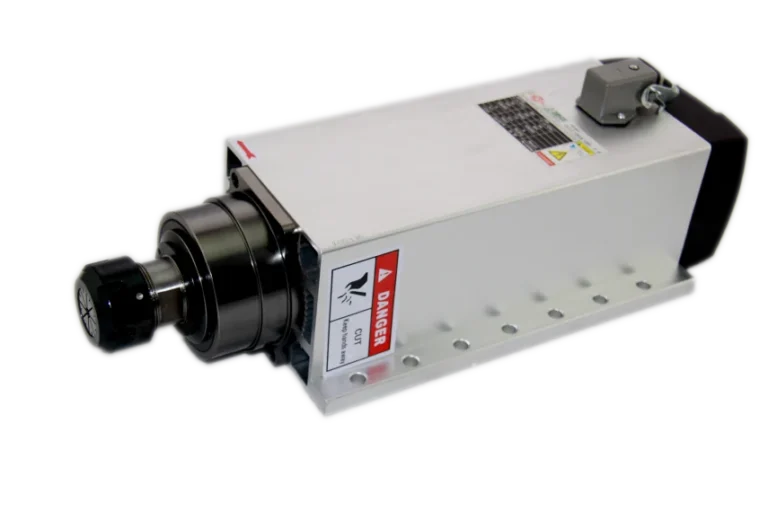
Spindle motors, the core components of industrial automation and particularly high-precision manufacturing systems like CNC machines, directly impact the efficiency and quality of production processes. These motors are complex electro-mechanical systems designed to operate at high speeds and under heavy loads. However, one of the most critical issues encountered under these intense operating conditions is spindle motor overheating. Excessive heat not only shortens the motor’s lifespan but also reduces machining precision, decreases tool life, and can lead to unexpected production downtime, resulting in significant cost losses. This field guide and technical article thoroughly examines the origins of overheating problems in spindle motors, their technical analysis, and definitive solutions for industrial automation specialists. Our goal is to ensure these critical components remain at optimal operating temperatures, thereby maintaining continuous and efficient production processes. This comprehensive guide will provide practical and actionable information to engineers and technicians in the field for diagnosing, preventing, and resolving overheating issues.
Spindle Motor Overheating Issues and Definitive Solutions: Operating Principle and Technical Data
Spindle motors typically operate on AC synchronous or asynchronous motor principles, providing power to machining tools by rotating at high speeds. The fundamental operating principle of these motors involves the rotating magnetic field generated by the current flowing through the stator windings, which induces current in the rotor conductors. The interaction of this induced current with the magnetic field produces torque. For applications requiring high precision and dynamic performance, servo spindle motors, often driven by vector control (FOC) methods, are preferred. These motors offer exceptional accuracy in speed, torque, and position control.
Heat generation is an inherent and unavoidable phenomenon in spindle motors. The primary sources of heat include:
- Copper Losses (Joule Losses): Heat generated as electric current passes through the resistance of the stator and rotor windings (I²R losses). These losses increase with higher loads and currents.
- Iron Losses (Core Losses): Hysteresis and eddy current losses occurring in the stator and rotor cores due to the continuous change in the magnetic field. These losses increase at high frequencies and magnetic flux densities.
- Mechanical Losses: Losses primarily caused by friction in bearings, air resistance (windage friction), and seal friction. At high speeds, bearing friction can become a significant heat source.
- Friction Losses: Forces applied by the tool to the workpiece during machining, reflected back to the motor, and friction in mechanical transmission elements.
The sum of these heat sources increases the motor’s overall temperature. The motor’s insulation class (e.g., Class F, Class H) and design determine its ability to withstand a specific temperature rise. However, exceeding these limits leads to the degradation of insulation materials, a decrease in bearing lubricant viscosity, and ultimately, motor failure.
Cooling systems play a critical role in the thermal management of spindle motors. The main types are:
- Air-Cooled Systems: Typically use a fan at the rear of the motor to draw air over or through the motor, dissipating heat. They are simpler and more economical but may be insufficient for high power density motors.
- Liquid-Cooled Systems: Utilize a cooling fluid (usually water or a water/antifreeze mixture) circulating within or around the motor body. This fluid transfers heat to a radiator or chiller for dissipation. They provide more effective thermal management and are ideal for high-power, compact motors.
- Hybrid Cooling Systems: Combine both air and liquid cooling to adapt to different operating conditions.
The selection and maintenance of the correct cooling system are essential for the long and trouble-free operation of the spindle motor. Excessive overheating can initiate a vicious cycle where increased motor winding resistance leads to even greater heat generation. Therefore, adhering to the operating parameters and temperature limits specified in the motor’s technical data sheet is of paramount importance.
| Parameter | Value/Description |
|---|---|
| Nominal Operating Temperature | Typically 40°C – 60°C (Depends on ambient temperature and load conditions) |
| Maximum Permissible Winding Temperature | 155°C for Class F Insulation, 180°C for Class H (According to IEC 60034-1) |
| Cooling Type | Air Cooled (Fan), Liquid Cooled (Water/Oil), Hybrid Cooled |
| Bearing Type and Lubrication | Precision Angular Contact Bearings (Typically Grease or Oil-Air Lubrication) |
| Vibration Class | N, R, S or T according to ISO 2373 (Normal, Reduced, Special, Vibration-free) |
| Insulation Class | F (155°C), H (180°C) – Determines the motor’s thermal endurance |
| Mean Time To Failure (MTTF) | 20,000 – 40,000 hours (Varies depending on operating conditions and maintenance) |
Spindle Motor Overheating Issues and Definitive Solutions: Field Considerations
- Environmental Conditions and Cleanliness: The temperature, humidity, and dust/particle density of the environment in which the spindle motor operates directly affect its thermal performance. High ambient temperatures can cause the cooling system to work harder or become insufficient. Dust, chips, and oil mist in the environment can clog cooling channels in air-cooled motors or contaminate radiators and filters in liquid-cooled systems, hindering heat transfer. Therefore, regular cleaning of the machine interior and motor surroundings, along with checking cooling fans and radiator fins, is critically important.
- Cooling System Maintenance and Performance: The spindle motor’s cooling system plays a key role in preventing overheating issues. In liquid-cooled systems, the quality, level, and circulation rate of the cooling fluid (typically a water/antifreeze mixture) must be regularly checked. Cooling fluid contamination, pH imbalance, or aluminum/copper corrosion can lead to blockages within the system and a decrease in heat transfer efficiency. The fans, pumps, and filters of the chiller or radiator unit should be periodically inspected, cleaned, or replaced. For air-cooled systems, ensure the motor’s fan is operating correctly and that cooling channels are clear.
- Bearing Condition and Lubrication: Bearings in spindle motors are a significant heat source due to their high-speed operation. Proper lubrication (grease or oil-air lubrication) prevents excessive friction and, consequently, heat generation. Lack of lubrication, incorrect lubricant type, or contaminated lubrication can cause bearings to overheat and fail prematurely. Wear, increased clearance, or compromised preload in bearings also increase friction and generate heat. Periodic bearing inspection, vibration analysis, and the application of correct lubrication procedures are vital.
- Loading and Operating Parameters: Continuous operation of the spindle motor above its nominal power or excessively aggressive cutting parameters (high RPM, deep cuts, high feed rates) leads to motor overheating. Every motor has specific continuous operating limits and short-term overload capacities. Ensure that machining parameters are set according to the motor’s technical specifications. The torque and power required by the application should not exceed the motor’s capacity. Additionally, frequent starts/stops and rapid accelerations can generate high currents in the motor windings, increasing heat production.
- Electrical Supply and Drive Settings: Voltage fluctuations, phase imbalances, or harmonics in the electrical line supplying the motor can cause additional losses and overheating in the motor windings. The settings of the Variable Frequency Drive (VFD) or servo drive must ensure the motor operates within the correct voltage and frequency range. Incorrect parameter settings in the drive (e.g., wrong motor model, insufficient current limits, faulty PI/PID gains) can lead to inefficient motor operation and overheating. The drive’s cooling system (fans, heat sinks) should also be regularly checked, as an overheated drive can negatively impact motor performance.
- Sensor and Monitoring Systems: Modern spindle motors are often equipped with integrated temperature sensors (PT100, PTC, KTY). Ensure these sensors are functioning correctly and that temperature values are accurately transmitted to the control system (PLC/CNC). Alarm or emergency stop mechanisms should activate in case of abnormal temperature increases to prevent permanent motor damage. Vibration sensors can also detect bearing failures and imbalances at an early stage, preventing potential overheating issues.
Spindle Motor Overheating Issues and Definitive Solutions: Common Problems and Solutions
Overheating problems in spindle motors typically arise from a combination of multiple factors and require a comprehensive diagnostic process. The most common problem scenarios and their definitive solutions are as follows:
1. Insufficient Cooling Capacity or Failure: This is the most common cause of overheating. In air-cooled motors, fan failure, clogged fins, or cooling channels filled with chips/dust can occur. In liquid-cooled systems, issues may include low coolant levels, pump failure, blockages in the cooling line, dirty radiator or chiller fins, degradation of coolant quality (contamination, corrosion), or the chiller’s inability to sufficiently lower the ambient temperature.
Solution: For air-cooled motors, periodic cleaning of the fan and channels and checking fan functionality are essential. In liquid-cooled systems, the coolant level, flow rate, and quality should be regularly checked, and filters cleaned or replaced. The performance of the pump and chiller units should be monitored, faulty components replaced, and radiator/chiller fins cleaned with compressed air or appropriate chemicals. If necessary, a higher capacity cooling system should be considered.
2. Bearing Failure or Incorrect Installation: Spindle bearings, operating under high speed and load, can fail due to insufficient or incorrect lubrication, contamination, improper preload, excessive vibration, or natural wear. Faulty bearings significantly increase internal friction, causing the motor to overheat excessively.
Solution: Regular inspection of bearings, vibration analysis, and meticulous application of appropriate lubrication programs are necessary. Worn or damaged bearings should be replaced according to manufacturer specifications, using correct preload and installation techniques. Maximum attention to cleanliness and precision should be given during installation.
3. Electrical Problems: Phase imbalance, high harmonics, overvoltage, or undervoltage in the motor’s power supply line can cause excessive heating of the motor windings. Furthermore, incorrect parameter settings in the motor drive (VFD/Servo Drive), drive failure, or insufficient cooling of the drive can lead to abnormal motor operation and overheating.
Solution: Voltage and current values in the electrical supply line should be checked with a power analyzer to detect phase imbalance or harmonic distortions. If necessary, line filters should be used. The insulation resistance of the motor windings should be checked with a megger test to determine if there is a short circuit or ground fault. The motor drive’s parameter settings (motor nominal current, voltage, frequency, PID gains, etc.) should be verified against the motor’s technical data sheet. The drive’s fans and heat sinks should be cleaned, and faulty drives repaired or replaced.
4. Overloading or Incorrect Machining Parameters: Continuous operation of the motor above its nominal power, excessively deep cuts, high feed rates, or incorrect tool selection can cause the motor to produce excessive torque and consequently generate more heat in the windings.
Solution: Machining parameters (cutting speed, feed rate, depth of cut) should be optimized to match the capacity of the motor and tool. Selecting the correct tool geometry and material for the application can reduce cutting forces and lighten the load on the motor. If necessary, a spindle motor with higher power and torque capacity or a more efficient machining strategy should be considered.
5. Problems in Motor’s Mechanical Connections: Alignment errors, imbalance, or mechanical binding during the spindle motor’s installation to the machine can cause the motor to draw more power than normal and overheat. For example, incorrect belt tension in belt-driven systems or coupling alignment errors in direct-drive systems can lead to such problems.
Solution: The motor’s mechanical connections, couplings, and mounting surfaces should be precisely checked and realigned if necessary. Vibration analyses should be performed to detect and eliminate imbalance or other mechanical resonance issues.
For each overheating scenario, a detailed fault analysis and root cause determination are critically important to ensure a lasting and effective solution. Specialized test equipment such as thermal cameras, clamp meters, vibration analyzers, and motor analyzers should be used in this process.
Spindle Motor Overheating Issues and Definitive Solutions: Conclusion and Expert Advice
Spindle motor overheating in industrial automation, especially in precision machining centers, is not merely an operational glitch but a potential source of significant cost and efficiency loss. As discussed in this comprehensive field guide, the underlying causes of excessive heating are often multifaceted, ranging from environmental factors to electrical supply issues, mechanical wear, and cooling system failures. Therefore, when a spindle motor exhibits signs of overheating, it is crucial to follow a systematic and in-depth analysis process rather than superficial approaches.
As an expert field engineer, my advice is to meticulously implement preventive maintenance programs. This not only resolves existing faults but also enables the detection and prevention of potential problems before they reach critical levels. Regular thermal camera inspections, motor current and voltage analyses, bearing vibration monitoring, and coolant quality tests should be indispensable components of such programs. Furthermore, educating operators and maintenance personnel on the operating principles, limits, and basic fault symptoms of spindle motors will facilitate early detection and rapid intervention.
With technological advancements, modern spindle motors are equipped with integrated sensors and smart monitoring systems. Correctly interpreting data from these systems and integrating it into predictive maintenance strategies is one of the most effective ways to extend motor life and ensure production continuity. It should be remembered that maintaining a spindle motor at its optimal operating temperature directly affects not only its own lifespan but also the efficiency of the entire production line it is part of, product quality, and thus the competitiveness of the enterprise. Therefore, investment in spindle motor thermal management is a strategic investment that will yield exponential returns in the long run.
FAQ
What are the primary causes of spindle motor overheating?
Spindle motor overheating can be caused by various factors, including insufficient cooling capacity, faulty bearings, electrical issues (like phase imbalance or harmonics), overloading the motor, or mechanical problems in its connections. A comprehensive diagnosis is crucial to identify the root cause.
How can I prevent my industrial CNC router's spindle motor from overheating?
To prevent overheating, implement a rigorous preventive maintenance program. This includes regular cleaning of cooling systems, checking coolant levels and quality, performing vibration analysis on bearings, ensuring proper lubrication, and operating the motor within its specified load limits. Also, verify electrical supply stability and correct drive parameters.
What steps should I take if my spindle motor starts to overheat?
If your spindle motor is overheating, first check the cooling system for blockages, low coolant, or fan failure. Then, inspect bearings for wear or improper lubrication. Evaluate the motor's electrical supply for anomalies and verify that machining parameters are not overloading the motor. If necessary, consult a qualified technician for detailed diagnostics and repair.
What are the long-term consequences of ignoring spindle motor overheating?
Excessive heat significantly shortens the lifespan of a spindle motor by degrading insulation, reducing lubricant effectiveness, and causing premature wear on bearings. It also leads to decreased machining precision, increased tool wear, and potential unscheduled downtime, resulting in higher operational costs.
How do modern spindle motors and monitoring systems help in managing thermal issues?
Modern spindle motors often feature integrated temperature and vibration sensors. These sensors provide real-time data to the control system, enabling early detection of overheating or mechanical issues. This data can be used for predictive maintenance strategies, allowing for intervention before critical failures occur.