No products in the cart.
How to Perform CNC Spindle Motor Maintenance: Expert Advice
Contents
- How to Perform CNC Spindle Motor Maintenance: Expert Advice – Introduction and Technical Analysis
- How to Perform CNC Spindle Motor Maintenance: Expert Advice – Operating Principle and Technical Data
- How to Perform CNC Spindle Motor Maintenance: Expert Advice – On-Site Considerations
- How to Perform CNC Spindle Motor Maintenance: Expert Advice – Common Problems and Solutions
- How to Perform CNC Spindle Motor Maintenance: Expert Advice – Conclusion and Expert Recommendation
- FAQ
How to Perform CNC Spindle Motor Maintenance: Expert Advice – Introduction and Technical Analysis
In industrial manufacturing, especially in high-precision sectors such as metalworking, woodworking, mold making, and aerospace, CNC (Computer Numerical Control) machines play an indispensable role. The heart of these machines, spindle motors, are critical components that directly affect the speed, precision, and surface quality of machining operations. Spindle motors rotate cutting tools at high RPMs to remove material. These high speeds bring with them high heat, vibration, and mechanical stresses, necessitating regular and professional maintenance. Spindle motor maintenance is vital not only for resolving existing malfunctions but also for preventing potential failures, extending machine life, increasing production efficiency, and minimizing unexpected downtime. A poorly maintained spindle motor can lead to reduced machining quality, shortened tool life, increased energy consumption, and, most importantly, costly repair expenses. This field guide and technical article offers a comprehensive roadmap for maintenance engineers, technicians, and operators in the industrial automation sector, starting from the operating principles of CNC spindle motors, through detailed maintenance steps, common problems, and expert solutions. Our goal is to help you achieve maximum efficiency and reliability in your production processes by adopting a proactive maintenance approach.
How to Perform CNC Spindle Motor Maintenance: Expert Advice – Operating Principle and Technical Data
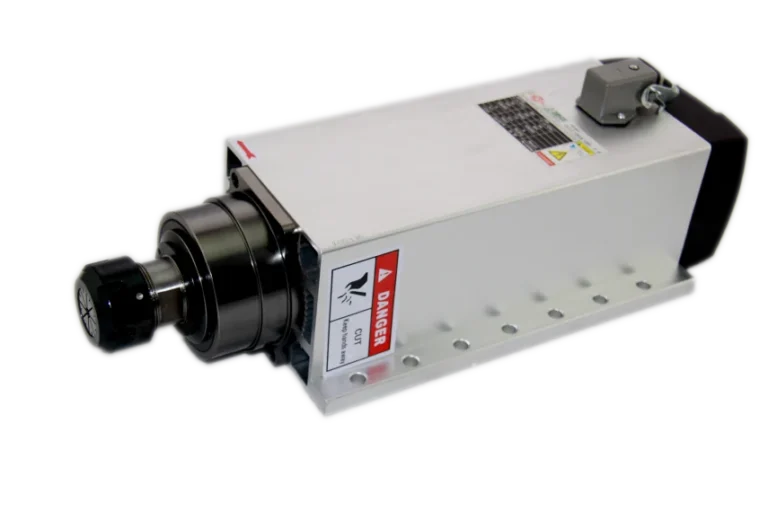
CNC spindle motors fundamentally consist of an electric motor, high-precision bearings, a shaft, a tool holder mechanism, and usually a cooling system. The operating principle is quite simple: the rotational motion generated by the electric motor is transmitted to the cutting tool via the shaft. However, behind this simple principle lies complex engineering that ensures the shaft rotates stably and precisely at high speeds (typically from 10,000 RPM to over 100,000 RPM). Spindle motors are generally divided into three main categories based on their structure: belt-driven, gear-driven, and direct-drive or built-in motor spindles. Direct-drive spindles offer higher precision, less vibration, and higher torque capacity due to the direct integration of the motor with the shaft, making them the preferred choice in modern industrial CNC router machines.
The technical data of a spindle motor determines its performance and application areas. Maximum RPM affects the type of material that can be machined and the surface quality; high RPMs are generally suitable for fine machining with small diameter tools and soft materials like aluminum. Motor power (kW) and torque (Nm) indicate how demanding the material removal operations the spindle can perform; high power and torque are required for heavy cuts with large diameter tools in hard materials like steel. The spindle’s bearing type and lubrication system directly impact its lifespan and precision. Typically, ceramic ball or high-precision steel ball angular contact bearings are used, lubricated with grease or an oil-air mixture system. The cooling system is critically important for dissipating heat generated at high speeds and heavy loads; cooling is usually done with water-based liquids or air. Finally, spindle runout is a parameter that expresses the rotational precision of the spindle in microns and is a vital indicator for machining quality. A correct understanding and regular monitoring of these technical data form the basis for optimizing spindle motor performance and developing maintenance strategies. Spindle motors are used in a wide range of high-precision part manufacturing, from mold making to aerospace, automotive to medical device production, and each application area creates different performance expectations from the spindle.
| Parameter | Value/Description |
|---|---|
| Maximum RPM | 10,000 – 100,000+ RPM (Varies by application) |
| Motor Power (kW) | 1.5 kW – 50 kW (Depends on machining capacity) |
| Maximum Torque (Nm) | 5 Nm – 300 Nm (More in high-torque models) |
| Cooling Type | Liquid Cooled, Air Cooled, Oil-Air Cooled |
| Bearing Type | High-Precision Angular Contact (Ceramic Ball or Steel Ball) |
| Spindle Runout | ≤ 2 µm (Microns) (Critical for precision applications) |
| Tool Holder Type | BT, CAT, HSK, SK, ER Collet (Application and machine specific) |
How to Perform CNC Spindle Motor Maintenance: Expert Advice – On-Site Considerations
- Bearing Inspection and Replacement: Bearings, the heart of spindle motors, carry loads at high RPMs and ensure precision. Bearing life depends on operating conditions, lubrication, and load. Increased noise, vibration, excessive heating, or an increase in spindle runout can be symptoms of bearing wear. Regularly performing vibration analysis to monitor bearing condition allows for early detection of potential failures. Bearing replacement is a delicate process requiring special tools and a clean environment. Incorrect assembly or selection of unsuitable bearings can cause even new bearings to fail quickly. During replacement, internal cleaning of the spindle and inspection of the lubrication system should also be performed. The correct type and amount of lubrication extend bearing life.
- Cooling System Maintenance: Spindle motors generate significant heat when operating at high RPMs. Effective dissipation of this heat prevents motor windings and bearings from overheating and damage. In liquid-cooled systems, the quality of the coolant (pH value, corrosion inhibitors), level, and flow rate should be checked regularly. Clogs in cooling lines, dirty filters, or cooling pump failures can cause the spindle to overheat. In air-cooled systems, ensure that fans are operational and air ducts are not clogged with dust or chips. Any malfunction in the cooling system will reduce spindle performance and shorten its lifespan.
- Tool Holder and Taper Cleaning: Another critical point directly affecting the machining precision of the spindle is the cleanliness and condition of the tool holder and spindle taper. Even the slightest accumulation of dust, chips, or oil residue on the taper surfaces during tool changes can prevent the tool from seating fully in the spindle, leading to increased spindle runout and consequently a decrease in machining precision. Regularly cleaning tool holders and spindle tapers with special cleaners and lint-free cloths prevents such problems. Additionally, tool holders and taper surfaces should be periodically inspected for signs of wear or damage. A damaged taper can prevent proper tool retention, both degrading machining quality and leading to tool breakage.
- Vibration Analysis and Balancing: Vibration analysis is a predictive maintenance tool that provides valuable information about the overall health of the spindle motor. Abnormal vibrations in the spindle can indicate many problems such as bearing wear, imbalance (tool or spindle), shaft runout, electrical imbalance in motor windings, poor mounting, or loose connections. Regular vibration measurements allow these problems to be detected and rectified at an early stage. In high-speed spindles, proper balancing of tools and tool holders is vital to minimize vibration and extend bearing life. An unbalanced system not only causes vibration but also negatively affects machining quality.
- Motor Windings and Electrical Checks: The electrical health of the spindle motor is important for performance and reliability. The insulation resistance, current draw, and temperature of the motor windings should be checked periodically. High temperatures or humidity can reduce insulation resistance, leading to short circuits or motor failures. Ensuring that thermal protection sensors are working correctly prevents motor overload and overheating. Checking the tightness of electrical connections and for corrosion is also important.
- Sealing Elements and Contamination Control: Sealing elements (seals, labyrinth seals) that protect the internal mechanisms of spindle motors from external factors (dust, chips, cutting fluid, moisture) can wear out or be damaged over time. Regular inspection and replacement of these elements prevent internal components from becoming contaminated and damaged. Maintaining a clean working environment and preventing the accumulation of chips and fluids around the machine are important factors that extend the spindle’s lifespan.
- Lubrication System Control: Automatic lubrication systems (oil-air, grease) ensure proper and regular lubrication of spindle bearings. The functionality of these systems’ filters, pumps, distributors, and lines should be checked periodically. Ensure that the lubrication oil or grease is of the correct type and level. In cases requiring manual lubrication, the manufacturer’s recommended lubrication schedule and lubrication points must be strictly followed. Insufficient or incorrect lubrication is one of the main causes of bearing failures.
How to Perform CNC Spindle Motor Maintenance: Expert Advice – Common Problems and Solutions
Although problems encountered in CNC spindle motors generally show similar symptoms, their root causes can vary. Correct diagnosis and rapid intervention are critically important to minimize production losses.
1. High Vibration and Abnormal Noise:
- Problem: Excessive vibration, humming, grinding, or metallic noises heard when the spindle is running.
- Possible Causes: Worn or damaged bearings, unbalanced tool/tool holder, spindle shaft runout, electrical imbalance in motor windings, poor mounting, or loose connections.
- Solution:
- Vibration Analysis: Determine the root cause (bearing damage, imbalance, etc.) with a professional vibration analyzer.
- Bearing Inspection/Replacement: Replace worn bearings according to manufacturer’s instructions.
- Balancing: Dynamically balance tools and tool holders.
- Shaft Inspection: Check shaft runout with micron precision.
- Electrical Inspection: Check for electrical imbalance in motor windings and the drive.
2. Overheating:
- Problem: Abnormally high temperature on the spindle body (too hot to touch) or machine alarm.
- Possible Causes: Cooling system failure (clogged filter, low fluid level, pump failure), excessive friction in bearings (insufficient lubrication, wear), motor windings overload or short circuit, high ambient temperature.
- Solution:
- Cooling System Check: Check coolant level, quality, filters, and pump. Clear any blockages.
- Lubrication Check: Ensure the bearing lubrication system is working properly and providing adequate lubrication.
- Bearing Inspection: Identify and replace worn or damaged bearings.
- Motor Load Check: Ensure machining parameters (depth of cut, feed rate) do not exceed spindle capacity. Electrically check motor windings.
3. Tool Runout and Loss of Machining Precision:
- Problem: Surface quality defects, dimensional errors, shortened tool life on machined parts.
- Possible Causes: High runout in the spindle shaft (bearing play or shaft runout), contamination or wear in the tool holder taper, deformation in the tool holder itself, improper tool clamping.
- Solution:
- Spindle Runout Measurement: Measure spindle runout with a precision dial indicator or laser interferometer.
- Taper Cleaning: Thoroughly clean the spindle taper and the tapered surfaces of the tool holders.
- Tool Holder Inspection: Inspect tool holders for wear or deformation, replace if necessary.
- Bearing Inspection: In case of high runout, check for bearing play or wear.
- Tool Clamping Procedure: Ensure the tool is clamped correctly and tightly.
4. Loss of Power or Low Torque:
- Problem: Spindle unable to provide expected power or torque, stalling or struggling during cutting.
- Possible Causes: Partial short circuit or open circuit in motor windings, drive (inverter) failure, loose or corroded electrical connections, mechanical jamming (bearing seizure, shaft friction).
- Solution:
- Electrical Check: Measure insulation resistance, phase currents, and resistances of motor windings. Test the drive or consult an expert.
- Connection Check: Ensure all electrical connections are tight and clean.
- Mechanical Check: Ensure the spindle rotates freely. If there is mechanical jamming, find and rectify the source.
- Machining Parameters: Ensure machining parameters are appropriate for the spindle’s torque and power capacity.
5. Spindle Stalling or Locking:
- Problem: Spindle suddenly stops, locks up, or does not run at all.
- Possible Causes: Mechanical jamming (bearing seizure, shaft lock), electrical fault (motor overload, short circuit, drive failure), sensor error (speed sensor, thermal sensor), Emergency Stop activation.
- Solution:
- Safety Precautions: Immediately stop the machine and cut power.
- Mechanical Check: Try to turn the spindle by hand. If it is locked, investigate for a mechanical problem (bearing seizure, foreign object).
- Electrical Check: Check the electrical status of the motor and drive, protection relays, and fuses.
- Sensor Check: Check connections and operation of the speed sensor (encoder) and thermal sensors.
- Alarm Messages: Carefully examine error messages on the CNC control panel to determine the root cause.
These problems and solutions provide a general framework. As each spindle motor and CNC machine has different characteristics, consulting the manufacturer’s maintenance manuals and technical documentation is always the most accurate approach.
How to Perform CNC Spindle Motor Maintenance: Expert Advice – Conclusion and Expert Recommendation
CNC spindle motors are high-precision and critical components that form the backbone of modern manufacturing. The continuous and efficient operation of these motors directly impacts production quality, timely delivery, and ultimately the competitiveness of businesses. The maintenance strategies and troubleshooting approaches detailed above serve as a guide to extend the life of your spindle motors, optimize their performance, and minimize costly downtime due to unexpected failures. It should be remembered that preventive maintenance and predictive maintenance approaches are much more economical than reactive, fault-focused maintenance and offer vital advantages for production continuity. Regular inspection and proper lubrication of bearings, the effectiveness of the cooling system, cleanliness of the tool holder taper, and vibration analysis are key steps in maintaining spindle health.
As an expert, my recommendation is to establish a comprehensive spindle maintenance program in your facility and implement it meticulously. This program should include periodic inspections, measurements, record-keeping, employee training, and spare parts management. Especially by using modern diagnostic tools such as vibration analysis and thermal imaging to continuously monitor the “health status” of spindle motors, you can detect potential problems before they escalate into major failures. Furthermore, collaborating with specialized, certified service providers for spindle motor maintenance and repair will provide significant benefits, especially in cases of complex failures or situations requiring major overhauls. The use of quality and original spare parts is indispensable for the success of maintenance. Every investment made in a spindle motor is, in fact, an investment in production quality, efficiency, and the future of your business. By applying the information in this guide, you can ensure that the spindle motors of your industrial CNC router machines operate at maximum performance for many years, thus achieving uninterrupted success in your industrial automation processes. With a proactive approach, preventing failures is always easier and more cost-effective than rectifying them.
FAQ
What is the recommended maintenance schedule for a CNC spindle motor?
Regular maintenance for a CNC spindle motor includes daily checks (e.g., cooling fluid levels, unusual noises), weekly or monthly inspections (e.g., tool holder taper cleanliness, air filter checks), and annual professional servicing (e.g., bearing inspection, vibration analysis, electrical checks). Always refer to the manufacturer's specific maintenance schedule for your industrial CNC router.
What are the warning signs of a failing CNC spindle motor?
Common signs of a failing spindle motor include excessive vibration, abnormal noise (grinding, humming), overheating, decreased machining precision (increased runout), power loss, or the spindle stalling/locking. Addressing these symptoms promptly is crucial to prevent further damage and costly repairs.
How can I extend the lifespan of my CNC spindle motor?
To extend the lifespan of your spindle motor, ensure proper lubrication, maintain an efficient cooling system, keep the tool holder taper clean, perform regular vibration analysis, and use balanced tools. Operating within the spindle's specified load and RPM limits also significantly contributes to its longevity.
Is vibration analysis important for spindle motor maintenance?
Yes, vibration analysis is a critical predictive maintenance tool for CNC spindle motors. It helps detect early signs of bearing wear, imbalance, or shaft runout, allowing for timely intervention before these issues lead to major failures and costly downtime for your industrial CNC router.
What causes a CNC spindle motor to overheat?
Overheating in a spindle motor can be caused by a faulty cooling system (clogged filters, low fluid, pump failure), insufficient lubrication leading to bearing friction, motor winding overload, or high ambient temperatures. Regular checks of the cooling and lubrication systems are essential to prevent this.