No products in the cart.
Does Low Voltage Only Affect Performance, or Does It Also Threaten Safety?

Contents
- What Happens if the Power Supply Voltage is Low?
- Detailed Explanation of Low Power Supply Voltage Effects
- Performance Loss and Precision Issues in CNC Systems
- Adverse Effects on Motors and Drives
- Risks to Control Boards and Electronic Components
- What Happens if Power Supply Voltage is Low? Why Choose Mermak CNC.
- Long-Term Effects of Low Voltage and Risk of Failure
- Solutions and Precautions: Stable Power Supply
- The Importance of Correct Power Supply Selection
- Effects on Other Motion Control Components
- Energy Efficiency and Cost Impact
- Causes and Diagnosis of Voltage Drop
- Role of Power Supply in System Integration
- Importance of Maintenance and Periodic Inspections
- What Happens if Power Supply Voltage is Low? FAQ
- FAQ
What Happens if the Power Supply Voltage is Low?
Low power supply voltage leads to severe performance degradation, malfunctions, and shortened lifespans in connected electronic and mechanical systems. Especially in sensitive CNC machines, this condition directly impacts machining quality.
Detailed Explanation of Low Power Supply Voltage Effects
In industrial automation and CNC systems, ensuring a stable and correct voltage level for electrical energy is critically important. If a power supply’s output voltage is lower than its nominal value, all components in the system receive insufficient energy. This poses a significant risk, especially for motors, drives, and control units that draw high current or require precise operation. Low voltage prevents components from performing as expected, causes unstable operation, and can even lead to permanent damage.
One of the most common problems caused by low voltage is power starvation for connected devices. For example, servo motors and drives or stepper motors and drives cannot produce sufficient torque or operate at the correct speed under low voltage. This results in machining errors, vibrations, and positioning losses. Additionally, sensitive components like electronic boards and sensors can give incorrect readings or become completely inoperable when voltage tolerances are exceeded. In the long term, low voltage causes system components to operate under thermal stress, significantly shortening their lifespan.
Performance Loss and Precision Issues in CNC Systems
One of the most critical features of a CNC router machine is high precision and repeatability. Low power supply voltage directly threatens these fundamental characteristics. Low voltage prevents motors from reaching their nominal speed and torque values, leading to reduced cutting forces and lower machining speeds. Consequently, the surface quality of machined parts deteriorates, dimensional tolerances are compromised, and production efficiency is adversely affected.
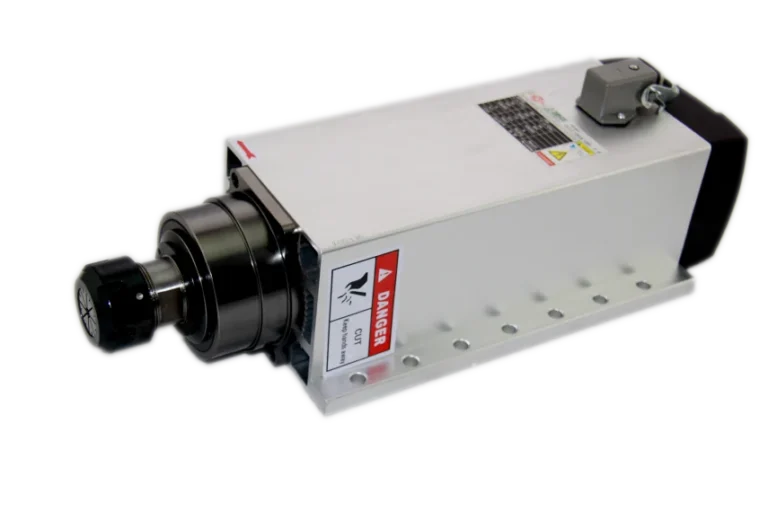
Components such as spindle motors, which operate at high RPMs, are among the most affected by low voltage. Insufficient power supply can prevent the spindle motor from reaching the desired RPM or cause it to lose speed under load. This shortens tool life and can lead to unwanted vibrations during machining. In applications requiring high precision, where tolerances below a millimeter are critical, even the slightest voltage fluctuation can cause significant problems.
Adverse Effects on Motors and Drives
Servo motors and drives and stepper motors and drives, which control the motion axes of CNC machines, are designed to operate most efficiently at their nominal voltage. Low power supply voltage negatively impacts the operating characteristics of these motors and drives. Motors receive less power, failing to produce adequate torque, and acceleration/deceleration times increase. Drives, in turn, exert more effort to deliver the targeted current, which can lead to overheating and activation of protection modes.
Another issue caused by low voltage is deviations in motor positioning accuracy. Especially in high-speed or high-load applications, motors can lose steps or positions. This results in dimensional errors and surface defects in machined parts. Furthermore, drives operating under low voltage are stressed in their internal power circuits, increasing the risk of failure. Such failures can lead to production downtime and costly repairs.
Risks to Control Boards and Electronic Components
CNC control boards and other electronic components, which are the brain of CNC systems, are designed to operate stably within a specific voltage range. If the power supply voltage drops below this range, the microcontrollers, memory chips, and other integrated circuits on the boards can malfunction. This can lead to unexpected system freezes, program errors, or communication interruptions.
Low voltage also affects the reliability of peripheral components such as sensors and switches. For example, a sensor or switch may send an erroneous signal, causing the machine to move incorrectly or safety mechanisms to fail to engage. Such situations pose serious risks to both operator safety and equipment integrity. Continuous exposure of electronic components to low voltage stress leads to permanent failures and the need for replacement in the long run.
What Happens if Power Supply Voltage is Low? Why Choose Mermak CNC.
Power supplies, the heart of your CNC systems, are vital for the performance and lifespan of the entire system. At Mermak CNC, we are aware of all the problems caused by low power supply voltage, and therefore, we offer you the highest quality solutions. With our wide range of reliable and stable power supplies, we ensure that your machines are always supplied with the correct voltage.
Mermak CNC not only sells products but also provides comprehensive technical support and consulting services. Our expert team guides you in selecting the most suitable power supply for your system’s needs and helps you take the most effective precautions against potential voltage problems. Choose Mermak CNC for our quality, reliability, and customer satisfaction-focused approach to ensure the uninterrupted and efficient operation of your CNC machines.
Long-Term Effects of Low Voltage and Risk of Failure
Consistently low power supply voltage creates cumulative stress on system components. This leads not only to sudden failures but also to a shortened lifespan of components. Critical parts such as electronic boards, motor windings, and power modules of drives attempt to draw excessive current or are forced to operate with insufficient power due to low voltage. This results in overheating, insulation breakdown, and ultimately permanent damage.
Especially spindle motor drives and other power electronics circuits try to compensate for power loss by drawing more current under low voltage conditions. This causes the internal components of the drives to operate hotter than normal and come under thermal stress. Prolonged thermal stress accelerates the degradation of semiconductor components and capacitors, leading to unexpected failures and production interruptions.
Solutions and Precautions: Stable Power Supply
Various measures can be taken to prevent low power supply voltage and ensure the healthy operation of your CNC systems. First, it is essential to accurately calculate the total power consumption of the system and select a power supply with sufficient capacity. The nominal output voltage and current values of the power supply must meet the requirements of all connected components.
Secondly, regular inspection of the power supply and all electrical connections is important. Loose connections or worn cables can cause voltage drops. Additionally, using voltage regulators or uninterruptible power supplies (UPS) against fluctuations in mains voltage ensures a more stable power supply to the system. Using high-quality and reliable power supplies is the most intelligent solution in the long run, both in terms of performance and cost.
The Importance of Correct Power Supply Selection
Selecting the correct power supply is a critical step for a CNC system to operate efficiently and without problems. The power supply must have the capacity and quality to meet the energy needs of all electronic components and motors in the system. A power supply that can consistently provide the nominal voltage value, is resistant to fluctuations, and has overload protection is the key to the system’s long-lasting and stable operation.
When making a selection, attention should be paid not only to voltage and current values but also to the power supply’s efficiency class, temperature tolerance, and reliability certifications. Especially for systems that will operate under harsh conditions in industrial environments, power supplies manufactured from high-quality components and compliant with industrial standards should be preferred. This minimizes potential failures and reduces maintenance costs.
Effects on Other Motion Control Components
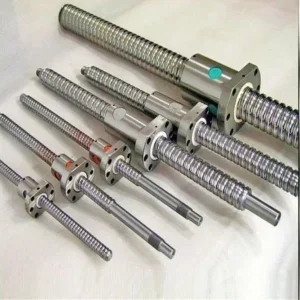
Low power supply voltage negatively affects not only motors and drives but also other motion control components of the CNC system. For example, mechanical elements such as ball screws and linear guide rails and carriages, although not directly powered by electricity, are directly affected by the performance degradation of the motors that move them. Low torque can disrupt the smoothness of motion, cause vibrations, and thus accelerate mechanical wear.
Additionally, precise gear mechanisms like planetary gearboxes can be subjected to greater stress due to irregular torque pulses from motors. This can shorten the lifespan of gearboxes and lead to earlier onset of backlash issues. The stability of the power supply is indispensable for the harmonious and precise operation of the entire motion control chain.
Energy Efficiency and Cost Impact
Low power supply voltage not only increases performance and failure risks but also negatively affects energy efficiency. A system operating under low voltage attempts to draw more current to perform the same task. This leads to increased heating of the power supply and motors, and consequently, increased energy losses. This decrease in energy efficiency results in higher operating costs.
In the long term, frequent failures due to low voltage problems, spare part costs, and losses from production downtime create significant financial burdens for businesses. Therefore, investing in a quality and stable power supply at the outset guarantees performance in the long run and optimizes operating costs.
Causes and Diagnosis of Voltage Drop
Low power supply voltage can have many causes. These include fluctuations in mains voltage, insufficient capacity of the power supply, resistance losses due to long or thin supply cables, loose or corroded electrical connections, and faults within the power supply itself. Correctly diagnosing these problems is the first step to finding a permanent solution.
To diagnose voltage drops, it is important to take voltage measurements at different points in the system with a multimeter. Measurements taken especially at the power supply output and at the furthest load point can help identify the source of the voltage drop. Measurements taken under load will provide more accurate results for detecting dynamic voltage drops. If necessary, seeking support from a professional electrician or automation specialist will be beneficial to quickly find and resolve the root cause of the problem.
Role of Power Supply in System Integration
During the integration of a CNC or automation system, power supply selection plays a decisive role in the overall performance and reliability of the entire system. The correct power supply ensures that every component in the system, especially motors, drives, control boards, and sensors, operates at their nominal values and maximum efficiency. An inadequate or low-quality power supply can overshadow all other quality choices made in system integration.
For system integrators and end-users, not only the voltage and current capacity of the power supply but also safety features such as overload, short circuit, and over-temperature protection are of great importance. These features help protect system components in unexpected situations and minimize the risk of failure. The power supplies offered by Mermak CNC provide reliable and high-performance solutions in these integration processes.
Importance of Maintenance and Periodic Inspections
One of the most effective ways to prevent problems caused by low power supply voltage is regular maintenance and periodic inspections. The power supplies and electrical
What Happens if Power Supply Voltage is Low? FAQ
FAQ
How are Devices Affected by Low Power Supply Voltage?
Low voltage can lead to unstable operation, unexpected shutdowns, performance degradation, and even permanent hardware damage in devices. Sensitive electronic components are particularly affected.
What are the Most Common Symptoms of Low Voltage?
Devices failing to turn on, frequent restarts, freezing, slowing down, abnormal noises, or display distortions are common symptoms of low voltage. Blue screen errors can also occur in computers.
How Do Computer Components Get Damaged by Low Voltage?
Power-intensive components such as the processor (CPU), graphics card (GPU), and storage units (SSD/HDD) can be affected by low voltage. This can lead to unstable operation, data corruption, and shortened lifespans.
Does Low Voltage Cause Hardware Damage?
Yes, continuous or excessively low voltage can cause permanent damage, especially to the power supply unit (PSU), motherboard, hard drives, and other integrated circuits. This can increase repair costs.
What are the Possible Causes of Low Power Supply Voltage?
A faulty power supply, insufficient power capacity, overloading, poor quality or damaged cables, problems with the wall outlet, or general drops in mains voltage can cause low voltage.