
No products in the cart.
%58 Discount


Knurled Nut 30×30 M6 K8
Original price was: 0.11$.0.05$Current price is: 0.05$.
High-performance connection element for modular aluminum profile constructions, offering superior grip and vibration resistance.
Out of stock
🔥 Special for Today Only %58 Discount Opportunity!📦 Category: Channel 8 Knurled Nuts🏷️ Dimensions: 30x30🏷️ Slot Size: 8 Slots🏷️ Nut Type: Knurled Nut🏷️ Compatible Profile Size: 30x30🏷️ Tooth Size: M6
Mermak assuranceFrom factory to end user · importer / main dealer · strong stock
ImporterMain dealer / distributorStrong stockGood priceCorporate invoice
Contact us for stock information · 14-day return for standard unused products; conditions may vary for custom size/cut products.
Knurled Nut 30×30 M6 K8
INDUSTRIAL AUTOMATION PARTS | SUPERIOR PERFORMANCE SERIES
Detailed Product Review
The Knurled Nut 30×30 M6 K8 is a high-performance fastening element designed to ensure the structural integrity of modular aluminum profile constructions used in industrial automation systems. The primary function of this nut is to provide higher holding strength and resistance to loosening compared to standard T-nuts, especially in applications with high dynamic loads, vibrations, and impacts. The specially machined knurled surface of the nut penetrates the channel walls of the aluminum profile at a microscopic level during assembly, creating a mechanical interlocking. This interlocking increases the coefficient of friction and forms a form-fit connection that prevents the nut from rotating or sliding within the profile. Consequently, the shear and tensile stresses at the connection point are distributed over a larger area, maximizing operational stability and safety throughout the connection’s lifespan. This engineering approach directly impacts the overall rigidity and accuracy of the system, particularly in critical applications such as robotic systems requiring precise positioning and high-speed conveyor lines.
The product is manufactured with precise tolerances to be fully compatible with 30×30 K8 sigma aluminum profiles. The K8 channel geometry ensures optimal placement of the nut within the profile and effective engagement of the knurls with the profile surface. For assembly flexibility, the nut can be integrated into the profiles by sliding it in from the end of the channel or by dropping it directly into the top of the channel; this feature offers a significant advantage when revisions or additions are needed in existing systems. The M6 metric thread structure allows for a direct and reliable connection with M6 bolts that comply with industrial standards. As for material selection, a high-strength industrial-grade steel alloy is used, guaranteeing the nut’s ability to withstand high tensile and shear stresses. The surface treatment, an anti-corrosion coating, typically zinc plating (electro-galvanized), ensures the nut maintains its long-term performance and structural integrity even in harsh industrial environments where it may be exposed to moisture or chemical vapors. These features make the Knurled Nut 30×30 M6 K8 an ideal solution for a wide range of industrial applications, including machine frames, automation cells, and test and measurement equipment.
Advantages of Knurled Nut 30×30 M6 K8
Enhanced Vibration and Loosening Resistance: The precisely machined knurls on the nut penetrate the softer surface of the aluminum profile at a micro-level during assembly, creating an additional mechanical lock at the connection interface. This lock provides passive resistance against rotational and sliding movements, in addition to the frictional force generated by the bolt’s preload. Especially in industrial applications where high-frequency vibrations, sudden impact loads, or thermal expansion/contraction cycles are present, this knurled structure effectively prevents the connection from loosening over time, thus preserving the system’s structural integrity. This extends maintenance intervals and increases operational uptime.
High Assembly and Revision Flexibility: The Knurled Nut 30×30 M6 K8 offers significant flexibility in engineering and assembly processes by supporting two different mounting methods. The first method, “end insertion,” is achieved by sliding the nut into the profile channel from the open end and is preferred for new constructions or when profile ends are accessible. The second method, “drop-in,” involves placing the nut directly into the top of the profile channel and rotating it 90 degrees to lock it in place. This method allows for easy integration of the fastener when adding, changing, or revising an existing profile system without the need to disassemble the profile. This flexibility reduces assembly time, lowers labor costs, and enhances system modularity.
Optimized Grip Strength and Load Distribution: The additional friction and mechanical interlocking created by the knurled nut’s penetration into the profile surface provide much higher grip strength compared to standard flat-faced T-nuts. The knurls create localized deformations on the inner walls of the profile, increasing the contact area and thereby reducing stress concentration at the connection point. This increases the load-bearing capacity of the connection by preventing the nut from sliding or rotating within the profile, especially under high tensile and shear loads. The increased grip strength ensures that applied torque values during assembly are used more efficiently and guarantees the long-term stability of the connection. This feature is critical in applications such as heavy-duty conveyor systems, supporting structures for robotic manipulators, and machine frames requiring high precision.
Technical Specifications and Capacity
FeatureValue/Description
Product TypeKnurled Nut
Profile Compatibility30x30 K8 Sigma Aluminum Profiles (8mm channel width)
Thread SizeM6 (Metric 6, standard pitch)
Mounting TypeEnd Insertion or Drop-in
MaterialHigh-Strength Industrial-Grade Steel Alloy (e.g., Carbon Steel)
Surface TreatmentCorrosion-Resistant Coating (Typically Zinc Plated, Cr3+ passivated)
Key FeatureAnti-Vibration Knurled Design, High Grip Strength
Barcode Number8692024020069
Technical Frequently Asked Questions (FAQ)
How does the performance of a knurled nut differ from standard T-nuts under dynamic loads?
A knurled nut exhibits a significant advantage over standard T-nuts under dynamic loads. Standard T-nuts typically rely solely on the frictional force provided by the bolt’s preload to remain in the profile channel. Under dynamic loads, vibrations, or sudden impacts, this frictional force can be overcome, leading to the nut sliding or rotating within the profile, causing the connection to loosen. The knurled nut, however, creates a mechanical interlock by penetrating the softer material of the aluminum profile at a microscopic level with its surface knurls. This interlock provides a form-fit resistance in addition to the frictional force. As a result, knurled nuts demonstrate much higher resistance to sliding or rotation within the profile, even under dynamic loads, which minimizes the likelihood of connection loosening and preserves the system’s structural integrity for a longer period. This feature enhances operational safety and precision, especially in critical areas like high-speed automation lines and robotic applications.
How do the material selection and surface treatment of the product affect its lifespan and durability in an industrial environment?
The material selection and surface treatment of the Knurled Nut 30×30 M6 K8 are critical for its long service life and durability in an industrial environment. The nut is manufactured from a high-strength industrial-grade steel alloy. This material offers excellent resistance to high tensile, shear, and torsional stresses, thus maintaining the mechanical integrity of the connection even under heavy loads. The choice of steel alloy supports the effectiveness and permanence of the knurled interlocking created by the nut within the profile channel. The corrosion-resistant coating, typically zinc plating (Cr3+ passivated), protects the nut from oxidation and corrosion caused by moisture, chemical vapors, oils, and other aggressive industrial substances. Zinc plating works on the principle of galvanic corrosion, preferentially corroding itself rather than the underlying steel, thereby extending the life of the steel material. This combination ensures that the nut maintains its structural performance and aesthetic integrity for many years, even in harsh industrial conditions, reducing maintenance costs and replacement frequency.
What critical design factors should be considered when using this knurled nut in high-load or high-vibration applications?
When using the Knurled Nut 30×30 M6 K8 in high-load or high-vibration applications, several critical design factors need to be considered. Firstly, the correct bolt preload force is essential. Adequate preload ensures that the nut’s knurls fully engage with the profile channel, providing maximum mechanical interlocking. Excessive torque can lead to profile deformation or stripping of the nut’s threads, while insufficient torque increases the risk of loosening. Secondly, the load-bearing capacity of the profile material and its cross-section is important. While the knurled nut provides high grip, the profile itself must be strong enough to withstand the applied loads. Thirdly, the number and distribution of fasteners are crucial. Using an adequate number of nuts and bolts is important for distributing the load evenly and preventing stress concentrations. Fourthly, environmental factors such as temperature fluctuations, chemical exposure, or corrosive environments can affect the material properties and coating of both the nut and the profile. Analyzing these factors requires a comprehensive engineering assessment to ensure the long-term performance and reliability of the connection.
Can knurled nuts retain their original performance after being disassembled and reassembled, and what should be paid attention to during this process?
Knurled nuts can retain their original performance after disassembly and reassembly under certain conditions, but there are important points to consider. During the initial assembly, the nut’s knurls create micro-deformations on the aluminum profile’s surface, establishing an interlock. During subsequent disassembly and reassembly, the integrity of these knurls and the deformations on the profile surface may be compromised. If the knurls are excessively deformed or significant wear occurs in the profile channel, the nut may not provide the same high level of grip strength and loosening resistance upon reassembly as it did during the initial installation. Therefore, it is recommended to visually inspect the nut’s knurls and the profile channel for any signs of wear, deformation, or damage before reusing. If any significant issues are detected, using a new nut is a safer engineering approach, especially considering the criticality of the connection. Additionally, applying bolt torque values according to manufacturer specifications during reassembly is fundamental to restoring the connection’s optimal performance.
Mermak has 16 years of experience in the industrial automation sector. Our products are manufactured in our Ankara Uzay Sanayi factory and warehouse. The stock quantities and prices on our website are up-to-date. Stocked products are dispatched directly from our warehouse without production waiting times. We ensure careful packaging and meticulous follow-up of invoices and documents. We partner with reliable logistics providers, and the Mermak team closely monitors the shipment process. Upon request, we can arrange product videos or factory viewings via WhatsApp or other contact channels. We proudly supply our products to customers in the United Kingdom, United States, Canada, Australia, Ireland, New Zealand, South Africa, and similar countries and international markets.
| Dimensions | 30x30 |
|---|---|
| Slot Size | 8 Slots |
| Nut Type | Knurled Nut |
| Compatible Profile Size | 30x30 |
| Tooth Size | M6 |
You must be logged in to post a review.
Taksit Tablosu
Related Products
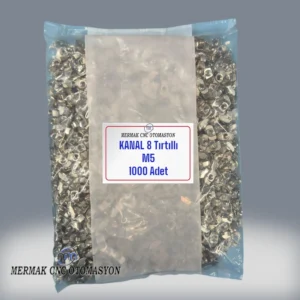 %100 Discount8 Channel M5 Serrated Nuts - Pack of 1000Original price was: 108.00$.0.10$Current price is: 0.10$.View
 %100 Discount10 Slot M6 Serrated Nut (500 pcs)Original price was: 90.00$.0.10$Current price is: 0.10$.View
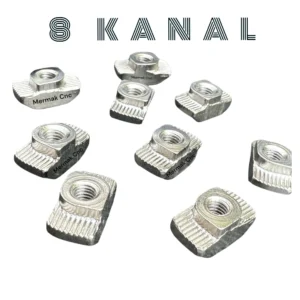 %57 DiscountKnurled Nut 30x30 M5 K8Original price was: 0.11$.0.05$Current price is: 0.05$.View
Reviews
There are no reviews yet.