





































































Why is Vacuum Blower Air Suction Low? Causes and Solutions

📑 Table of contents (Click to open)
Practical notes for CNC router, automation and industrial motion systems.
Low vacuum blower air suction can significantly impact the performance of industrial machinery, particularly CNC router machines. Common culprits include clogged filters, system air leaks, motor malfunctions, internal rotor or bearing wear, restrictions in the suction line, and improper blower selection. Addressing these issues is crucial for maintaining efficient operation and preventing production downtime.
Understanding Vacuum Blower Functionality
Vacuum blowers are essential components in many industrial processes, such as pneumatic conveying, vacuum lifting, drying, and waste treatment. Their primary role is to extract air or gas from a system, creating a vacuum and ensuring a specific airflow. A “low air suction” condition means the blower is failing to achieve the target vacuum level or deliver the expected airflow. This inefficiency can lead to reduced process effectiveness, increased energy consumption, and potential operational halts. Identifying and rectifying the root cause of low suction is vital for optimal system performance.
Operating Principles and Technical Specifications
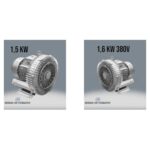
Vacuum blowers typically operate on principles like side-channel (regenerative) or Roots (positive displacement) mechanisms. Side-channel blowers use a centrifugal force within a channel to compress air, suitable for medium vacuum and pressure applications. Roots blowers utilize a pair of intermeshing lobes to mechanically transfer air, providing high volume flow and deeper vacuum levels, often used in demanding applications like material handling with CNC router machines.
Key performance parameters for blowers include:
- Maximum Vacuum Level (mbar abs or kPa abs): The lowest absolute pressure the blower can achieve. Low levels indicate insufficient suction or system resistance.
- Maximum Airflow (m³/hr or CFM): The volume of air the blower can move at a specific vacuum. Low airflow can hinder process speeds.
- Motor Power (kW or HP): The power output of the drive motor. Insufficient power or motor overload directly affects suction.
- Operating Temperature: Maintaining the blower and motor within their optimal temperature range prevents performance degradation and failure.
- Noise Level (dB): While not directly impacting suction, abnormal noise often signals internal wear or damage.
Selecting the correct blower based on these parameters is critical. For instance, handling fine powders might require a high-flow Roots blower, while a drying process may necessitate the deeper vacuum of a side-channel type. Low air suction typically indicates that one or more of these parameters are not being met.
| Parameter | Typical Range/Description |
|---|---|
| Max Vacuum Level | 100 to 500 mbar (absolute), application-dependent. |
| Max Airflow | 50 to 2000+ m³/hr, proportional to motor power. |
| Motor Power | 0.75 kW to 75+ kW, based on vacuum and flow needs. |
| Operating Principle | Side-Channel Blower or Roots Blower. |
| Noise Level | 65 to 85 dB(A), reducible with silencers and insulation. |
| Operating Temperature | Ambient: -10°C to +40°C; gas temperature varies. |
| Motor Protection Class | IP54 or IP55 (dust and splash resistant). |
Troubleshooting Low Air Suction
- System Design and Sizing: Ensure the blower is correctly sized for the application. Pressure losses from pipe diameters, lengths, bends, and connected equipment (like cyclones or valves) significantly affect blower performance. An undersized blower will naturally exhibit low suction. Proper engineering calculations are essential for selecting a blower that can overcome the system’s total resistance.
- Filter Maintenance: Vacuum blowers rely on filters to protect internal components from dust and debris. Clogged filters create significant resistance, reducing airflow and vacuum. Regular inspection, cleaning, and replacement of filters are critical for maintaining optimal suction and preventing blower overheating.
- Air Leak Detection: Air leaks in the suction line are a common and often overlooked issue. Leaks at joints, flanges, seals, or through cracks allow ambient air into the system, reducing the vacuum level at the process point. Use methods like soap solution or ultrasonic detectors to identify and seal leaks promptly. Regular checks of seals and O-rings are necessary.
- Motor Health and Electrical Connections: The blower motor is the heart of the system. Issues like insufficient power output, overheating, worn bearings, or faulty electrical connections (low voltage, phase imbalance) can prevent the motor from reaching the required speed, thus reducing air suction. Monitor motor performance, check thermal protection, and ensure electrical connections are secure.
- Internal Blower Wear: Over time, internal components like rotors and bearings can wear. In Roots blowers, wear between the lobes, or in side-channel blowers, between the rotor and housing, can create internal bypass paths, reducing efficiency. Bearing wear or foreign object damage can also cause performance degradation, often accompanied by unusual noise or vibration. Periodic internal inspections during maintenance are recommended.
- Suction Line Restrictions: Obstructions within the suction piping, such as accumulated material, collapsed sections, or improperly installed valves, can impede airflow. These restrictions increase system resistance, leading to lower vacuum levels. Ensure the suction line is clear and free from any blockages.
By systematically checking these potential causes, you can effectively diagnose and resolve low vacuum blower air suction issues, ensuring your industrial CNC router machine and other automated systems operate at peak efficiency. Regular maintenance, including filter changes, leak checks, and component inspections, is key to preventing these problems.
Frequently Asked Questions
What are the primary indicators of low vacuum blower air suction?
The main indicators are a vacuum gauge reading below the expected level, reduced material holding force on vacuum tables, slower material transfer in pneumatic systems, and potentially increased motor load or temperature.
How often should vacuum blower filters be checked and replaced?
Filter maintenance frequency depends heavily on the operating environment and the type of material being processed. In dusty environments, daily or weekly checks might be necessary. As a general guideline, inspect filters monthly and replace them as needed based on their condition and the blower’s performance.
Can a simple air leak cause a significant drop in vacuum?
Yes, even small air leaks can significantly reduce vacuum levels, especially in systems designed for deep vacuum. The blower works to evacuate air, but if air is continuously entering the system from external sources, the blower struggles to maintain the desired low pressure.
What is the role of servo drives and linear guide rails in relation to vacuum systems?
Servo drives and linear guide rails are critical components of the CNC machine’s motion control system. While they don’t directly interact with the vacuum blower, they ensure precise movement and positioning of the cutting head or workpiece. A reliable vacuum system, powered by an efficient blower, is essential for holding the workpiece securely on the vacuum table, allowing the servo-driven motion system to perform accurate cuts and operations.
How does motor power relate to vacuum blower performance?
Motor power is directly correlated with the blower’s ability to generate vacuum and airflow. A higher power motor can drive the blower at higher speeds or overcome greater resistance, resulting in higher vacuum levels and airflow rates. An undersized motor or one operating under excessive load will limit the blower’s performance.
Related product categories: Genel · Mekanik · Allen (Alyan) Başlı İmbus Civata
