









































































What Causes a CNC Spindle to Make Noise?

📑 Table of contents (Click to open)
A noisy CNC spindle often indicates underlying issues like bearing wear, lubrication problems, or imbalance. Early detection and diagnosis are crucial for preventing costly downtime and ensuring precision machining. This article explores the common causes of spindle noise and provides practical solutions for industrial buyers.
Practical notes for CNC router, automation and industrial motion systems.
Understanding CNC Spindle Noise: Causes and Diagnosis
In industrial automation, particularly within CNC machines, grinding machines, and other high-speed machining centers, the spindle is a critical component that directly impacts machining precision and efficiency. When a spindle emits an unusual sound during operation, it often signals an impending issue that can range from reduced production quality to complete machine failure. These abnormal noises can vary from a low hum to a high-pitched whine, a grinding sound, or metallic clicking, each providing valuable clues about the potential source of the problem. Understanding why a spindle makes noise is essential for developing proactive maintenance strategies and for quickly diagnosing and resolving faults.
Spindle Operation and Technical Data
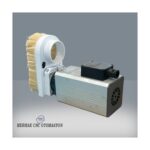
At its core, a spindle is a motor-driven rotating shaft to which a cutting tool or workpiece is attached. High-precision bearings (often ceramic or hybrid) support the spindle shaft, ensuring minimal friction and maximum rigidity even at high speeds. A lubrication system (grease or oil-mist) extends bearing life and prevents overheating. A cooling system (liquid or air) maintains the spindle motor and bearings within their optimal operating temperature range. Balancing is also critical for minimizing vibration at high speeds. The spindle’s operational principle relies on the harmonious function of these components. Any disruption in a single component can lead to spindle noise.
When a CNC spindle makes noise, the following technical issues are typically considered:
- Bearing Wear or Damage: Spindle bearings are the most frequent source of noise. Worn, contaminated, damaged, or improperly installed bearings increase friction, leading to humming, grinding, or clicking sounds. High-speed spindles commonly use angular contact ball bearings, and their correct preload is crucial.
- Insufficient or Poor Lubrication: Inadequate or incorrect lubrication of the bearings increases friction, leading to overheating and noise. Contaminated lubricant (grease or oil) can cause similar problems.
- Imbalance: Imbalance in the spindle shaft, tool holder, or cutting tool can cause vibration and humming at high speeds, potentially damaging bearings over time.
- Cooling System Issues: Spindle overheating can cause bearings to expand and lubricant film to break down, resulting in noise. Faulty coolant pumps, blocked cooling channels, or insufficient cooling can contribute to this.
- Mechanical Looseness: Looseness in the spindle’s assembly or internal structure, such as loose bolts or worn taper surfaces, can cause vibration and clicking sounds.
- Motor Problems: The spindle motor itself (winding issues, rotor imbalance, worn brushes in brushed motors) can generate noise. Incorrect settings in the Variable Frequency Drive (VFD) can also lead to abnormal motor operation and noise.
- Contamination and Foreign Objects: Swarf, dust, moisture, or other foreign materials entering the spindle can damage bearings or cause friction between rotating parts, leading to noise.
- Shaft Bending or Damage: If the spindle shaft is bent due to impact or excessive load, it can cause imbalance and noise during rotation.
| Parameter | Value/Description |
|---|---|
| Bearing Type | Typically high-precision angular contact ball bearings (ABEC 7/9) or ceramic hybrid bearings. |
| Max. Speed (RPM) | 10,000 – 120,000 RPM (varies by application). |
| Lubrication System | Grease lubrication (lifetime or periodic), oil-mist lubrication, jet lubrication. |
| Cooling System | Liquid (water/glycol mix), air, or internal fan cooling. |
| Shaft Runout | Typically < 2 microns. |
| Balancing Class | G1 (ISO 1940-1) or better for high-speed applications. |
| Thermal Stability | Operating temperature controlled within ±1°C. |
Field Considerations for Spindle Maintenance
- Periodic Maintenance and Lubrication Checks: Regular maintenance schedules are vital for extending spindle life and preventing abnormal noises. Bearing lubrication must be performed with the correct type and amount of lubricant, as per manufacturer recommendations. The cleanliness of the lubricant and the lubrication system should be checked periodically and replenished or replaced as needed. Maintaining detailed maintenance records is crucial.
- Vibration Analysis and Acoustic Monitoring: The onset of spindle noise often correlates with increased vibration levels. Advanced industrial automation systems utilize vibration sensors and acoustic monitoring to continuously assess spindle health. Abnormal vibration patterns or changes in the sound spectrum can serve as early warning signs of potential failures, minimizing unplanned downtime.
- Correct Tooling and Machining Parameters: Overloading the spindle, using unbalanced tools, or employing incorrect machining parameters can place excessive stress on the shaft, leading to noise. Tools should be regularly inspected, unbalanced tools must not be used, and machining parameters (speed, feed rate, depth of cut) should be set according to manufacturer recommendations and material properties. Ensuring tool holders are clean and properly tightened is also critical for spindle balance and performance.

Common Problems and Solutions
Here are common issues causing spindle noise and their solutions:
- Problem: High-frequency humming or whining.
- Possible Cause: Often due to bearing wear, lack of lubrication, or overheating from insufficient cooling. Motor winding issues or VFD-induced harmonics can also be a cause.
- Solution: Check the spindle’s operating temperature. Inspect the lubrication system (grease level, oil-mist pressure). Examine bearings for contamination or damage and replace if necessary. Verify coolant flow and temperature. Adjust VFD parameters if applicable or test the motor.
- Problem: Metallic clicking or grinding noise.
- Possible Cause: Damaged bearings (ball or cage damage), loose mechanical connections (spindle nut, housing bolts), foreign objects inside the spindle, or a bent spindle shaft.
- Solution: Stop the spindle and rotate it manually to pinpoint the noise. Inspect bearings for damage and replace them. Check and tighten all mounting bolts and connections. Clean the spindle interior. Measure shaft runout; if bent, repair or replace the spindle.
- Problem: Low-frequency humming or noise accompanied by vibration.
- Possible Cause: Spindle or tool imbalance, motor rotor imbalance, excessive tool load, or looseness in the machine bed or spindle mounting.
- Solution: Perform a dynamic balance of the spindle and tool holder. Check motor rotor balance. Review machining parameters to reduce load. Ensure all mounting points are secure and free from vibration. Consider using a CNC router machine with a robust motion control system to minimize these issues.
Addressing spindle noise promptly is crucial for maintaining the integrity of your CNC operations. Regular maintenance, proper lubrication, and attention to balancing and cooling are key to ensuring a long and productive life for your industrial CNC router’s spindle. If you suspect a significant issue with your spindle motor or other critical components like the servo drive or linear guide rail system, it’s best to consult with experts.
Need expert advice on your CNC spindle or other machine components? Request a quote on WhatsApp today!
Related product categories: Genel · 25 Mm Lineer Kızak, Rulman Ve Yataklar · 20 mm Rulman Çeşitleri
