Why Does a Spindle Motor Heat Up Even When Idling?

📑 Table of contents (Click to open)
- Understanding Spindle Motor Heat During Idle Operation
- Technical Breakdown: Electrical and Mechanical Losses
- Electrical Losses:
- Mechanical Losses:
- Driver Losses and Environmental Factors:
- Field Considerations for Optimal Performance:
- Conclusion: Proactive Maintenance for Longevity
- Understanding Spindle Motor Heat During Idling
- Core Principles and Technical Data Behind Idling Heat
- Field Considerations for Managing Idling Heat
Discover the reasons behind spindle motor heat generation during idle periods. Learn about electrical losses like copper and iron losses, and mechanical friction, including bearing and air resistance. Essential knowledge for CNC machine maintenance and efficiency.
Practical notes for CNC router, automation and industrial motion systems.
Understanding Spindle Motor Heat During Idle Operation
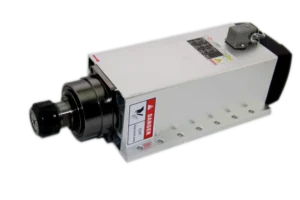
Spindle motors are the heart of CNC machines, delivering the precision and power required for complex manufacturing tasks. While designed for high-speed and torque operations, it’s common for these motors to generate heat even when not actively cutting material – a state known as ‘idling’. This phenomenon, though seemingly counterintuitive, is rooted in fundamental principles of energy conversion and motor design. Understanding the causes of this idle heat is crucial for diagnosing potential issues, ensuring optimal performance, and extending the lifespan of your industrial CNC router components.
The core principle at play is the law of conservation of energy: not all electrical energy supplied to a motor is converted into useful mechanical energy. A portion is inevitably lost as heat due to various internal factors. These losses are influenced by the motor’s design, materials, operating speed, and even environmental conditions. For professionals in industrial automation and CNC machining, a thorough understanding of these losses is vital for maintaining system reliability and efficiency. This guide delves into the technical reasons for spindle motor heating during idle periods, offering practical insights and expert advice.
Technical Breakdown: Electrical and Mechanical Losses
The heat generated by a spindle motor during idle operation stems from two primary categories of losses: electrical and mechanical. These inherent inefficiencies mean the motor continuously consumes energy, converting a portion of it into thermal energy.
Electrical Losses:
- Copper Losses (I²R Losses): As current flows through the motor’s windings (stator and rotor), electrical resistance causes heat generation. These losses are proportional to the square of the current (I²) and the winding resistance (R), following the formula P = I²R. Even during idle operation, a certain amount of current (no-load current) is required to establish the magnetic field and overcome internal friction. This no-load current continues to produce heat in the windings. In high-frequency spindle motors, phenomena like the skin effect and proximity effect can increase the AC resistance of the windings, further elevating copper losses.
- Iron Losses (Core Losses): These occur in the stator and sometimes rotor laminations due to the continuous fluctuation of the magnetic field. Iron losses consist of two main components:
- Hysteresis Losses: Energy is expended as the magnetic material is repeatedly magnetized and demagnetized. Each magnetic cycle causes molecular friction within the material, releasing heat.
- Eddy Current Losses: The alternating magnetic field induces small circulating currents (eddy currents) within the conductive laminations. These currents generate heat according to the I²R principle due to the resistance of the laminations. To minimize these losses, motor cores are constructed from thin silicon steel laminations insulated from each other. However, they cannot be entirely eliminated, and these losses become more pronounced at higher frequencies.

Mechanical Losses:
- Bearing Friction Losses: Spindle motors utilize specialized bearings designed for high speeds and precision. Friction inevitably occurs between the inner and outer races and the rolling elements (balls or rollers). This friction generates heat, even with proper lubrication. At high rotational speeds, bearing friction can become a significant heat source. The type of bearing, lubrication method, and preload significantly influence these losses.
- Air Friction Losses (Windage Losses): As the motor’s rotor spins at high RPMs, it encounters air resistance. The energy required to overcome this resistance is converted into heat. The rotor’s geometry, size, and operating speed all affect windage losses, which are typically more noticeable in high-speed motors.
- Cooling Fan Losses: Some spindle motors incorporate a cooling fan driven by the motor shaft. The energy consumed by this fan to move air also generates a small amount of heat, contributing to the motor’s overall losses.

Driver Losses and Environmental Factors:
- Driver (VFD/Inverter) Losses: Spindle motors are typically controlled by Variable Frequency Drives (VFDs) or servo drives. These drives also have internal losses due to power electronics components, generating heat. If the drive is housed within the same cabinet or in close proximity to the motor, its heat output can increase the ambient temperature around the motor, hindering its ability to dissipate heat.
- Ambient Temperature: The temperature of the surrounding environment directly impacts the motor’s final operating temperature. In high ambient temperatures, the motor’s capacity to transfer heat to its surroundings is reduced, leading to a higher equilibrium temperature.
- Mounting and Alignment: Improper mounting or shaft misalignment can impose additional stress on the bearings, leading to increased friction and heat generation. Ensuring precise alignment and secure mounting is critical for optimal motor performance and longevity.
| Parameter | Value/Description |
|---|---|
| Nominal Power (Pn) | Typically 1 kW – 30 kW (varies by application) |
| Max Speed (Nmax) | 10,000 RPM – 80,000 RPM and above |
| Cooling Method | Air Cooled (Fan/Fanless), Liquid Cooled (Water/Oil) |
| Bearing Type | Ceramic Ball Angular Contact Bearings (for high speed and precision) |
| Protection Class (IP) | IP54, IP65 (Dust and water protection) |
| Thermal Class (Insulation) | Class F (155°C), Class H (180°C) (Winding temperature resistance) |
| No-Load Current (I0) | 10% – 30% of nominal current (depends on motor design) |
| Efficiency Class | IE2, IE3 (for high-efficiency motors) |

Field Considerations for Optimal Performance:
- Proper Bearing Selection and Maintenance: The bearings in spindle motors are critical for achieving high speeds and precision. Incorrect bearing types, inadequate or improper lubrication, excessive preload, or contamination can significantly increase friction and heat generation. Regular bearing inspections, the use of appropriate lubricants, and adherence to manufacturer maintenance recommendations are essential to prevent unnecessary heating and premature failure. The lifespan of bearings is inversely proportional to their operating temperature; a 10°C increase in temperature can halve their service life.
- Ventilation and Cooling: Ensure adequate airflow around the spindle motor and its associated drive. Blocked vents or insufficient cooling can lead to heat buildup. For liquid-cooled systems, verify coolant flow rates and temperature are within specifications. Proper ventilation is key to maintaining optimal operating temperatures for your CNC router machine.
- Load Balancing: While this article focuses on idle conditions, it’s worth noting that uneven cutting loads or tool imbalances can also contribute to motor stress and heat. Ensure your tooling is sharp, balanced, and correctly installed.
- Drive Parameter Settings: Incorrect settings in the VFD or servo drive, such as excessive acceleration/deceleration ramps or inappropriate current limits, can indirectly lead to increased motor heating. Consult the drive’s manual and ensure parameters are optimized for your specific spindle motor and application.
Conclusion: Proactive Maintenance for Longevity
Spindle motor heat generation during idle periods is a normal consequence of energy conversion principles. However, excessive heat can indicate underlying issues that may compromise performance and lead to costly downtime. By understanding the electrical and mechanical loss mechanisms, paying close attention to bearing health, ensuring proper ventilation, and maintaining correct drive settings, you can proactively manage motor temperatures. Regular inspection and maintenance are key to maximizing the lifespan and reliability of your CNC router machine’s spindle motor.
For high-quality spindle motors, servo drives, linear guide rail systems, and other critical CNC components, Mermak CNC offers a comprehensive range of solutions designed for industrial applications. Explore our product categories to find the parts that best suit your needs.
Ready to optimize your CNC machine’s performance?
Request a quote on WhatsApp today!
Related product categories: Combination Packages · Linear Guides, Bearings, and Housings · Mechanical Components
Understanding Spindle Motor Heat During Idling
Spindle motors are vital components in industrial automation, particularly in CNC machines and high-speed machining centers. Even when not actively cutting material (i.e., when idling), these motors generate a certain amount of heat. This phenomenon is a natural consequence of their operating principles and physical characteristics, where a portion of the energy supplied is inevitably lost as heat rather than being converted entirely into mechanical work. The extent of this heat generation can vary based on the motor’s design, material quality, drive technology, and environmental conditions. While some idling heat is normal, excessive temperatures can shorten the motor’s lifespan, degrade performance, and lead to failures. Therefore, understanding and managing the thermal behavior of spindle motors during idle operation is critical for operational efficiency and system reliability.
Core Principles and Technical Data Behind Idling Heat
The heat generated by spindle motors during idling stems from several fundamental physical principles and technical factors. Addressing these losses is key to improving motor efficiency and longevity. The primary types of losses include:
- Iron Losses (Core Losses): These occur in the motor’s stator and rotor core due to the continuous change in magnetic flux. They comprise two main components:
- Hysteresis Losses: Energy is lost as the magnetic material in the core is repeatedly magnetized and demagnetized with each AC cycle. The realignment of magnetic domains within the material requires energy, which is dissipated as heat.
- Eddy Current Losses: The changing magnetic field induces circulating electrical currents (eddy currents) within the conductive core material. These currents generate heat as they flow through the core’s resistance (Joule effect). To minimize these losses, motor cores are typically constructed from thin, insulated laminations of silicon steel.
These losses are present whenever the motor is energized and a magnetic field is established, even without mechanical load.
- Copper Losses (Winding Resistance Losses / I²R Losses): The motor windings, usually made of copper, have electrical resistance. Even during idling, a small current (idle current) flows through the stator windings to establish the magnetic field and overcome mechanical losses. This current flowing through the winding resistance generates heat according to Joule’s law (P = I²R). While the idle current is lower than the nominal load current, it still contributes significantly to heat generation. In high-speed spindle motors, the length and thinness of the windings can increase this resistance.
- Mechanical Losses (Friction and Windage Losses): The rotating parts of the motor, specifically the rotor and bearings, encounter friction and air resistance.
- Bearing Friction: Spindle motors utilize high-precision, high-speed bearings. Internal friction within these bearings generates heat, especially at high rotational speeds. The quality of the bearings, lubrication status, and preload significantly influence these losses.
- Windage Losses: This is the resistance encountered as the rotor and any cooling fan move through the air. At high speeds, this resistance increases, converting energy into heat.
These losses are present whenever the motor is rotating, irrespective of the mechanical load.
- Drive-Induced Losses (Harmonics): Spindle motors are typically powered by Variable Frequency Drives (VFDs) or Servo Drives. These drives often use Pulse Width Modulation (PWM) to control motor speed. PWM signals contain high-frequency harmonics in addition to the fundamental sine wave. These harmonics can cause additional eddy currents and hysteresis losses in the motor windings and core, leading to increased heat generation even during idling. The switching frequency of the drive and the quality of its output filtering play a role in this effect. Modern drives employ advanced algorithms and filters to minimize these harmonic impacts.
| Parameter | Value/Description |
|---|---|
| Motor Type | Typically AC Synchronous/Asynchronous Spindle Motor (PMSM or IM) |
| Idle Current | 20%-40% of Nominal Current (Varies by motor type and design) |
| Loss Mechanisms | Iron Losses (Hysteresis, Eddy Currents), Copper Losses (I²R), Mechanical Losses (Bearing, Windage), Drive Harmonics |
| Reason for Idling Heat | Energy conversion due to magnetic field establishment, winding resistance, mechanical friction, and harmonics. |
| Typical Idle Temperature Rise | 5-20°C above ambient (Depends on motor power, cooling system, and duration) |
| Insulation Class | F or H (Maximum temperature rating for motor windings) |
| Cooling Type | Typically air-cooled (fan) or liquid-cooled |
Field Considerations for Managing Idling Heat
- Proper Motor Sizing: Selecting a spindle motor that matches the application’s load and speed requirements is crucial. An oversized motor operating at low loads or idle can be inefficient, generating unnecessary heat. Its larger magnetic core and windings contribute to higher iron and copper losses even when not under load. Accurate motor power and torque selection should be based on engineering calculations and analysis of the actual load profile.
- Effective Cooling Systems: Spindle motors generate continuous heat, especially at high speeds. Efficient removal of this heat, even during idling, is essential.
- Air-Cooled Systems: Ensure cooling fans are clean and cooling channels are free from dust and debris. Blocked channels impede airflow and reduce cooling efficiency.
- Liquid-Cooled Systems: Regularly check the coolant level, quality, and flow rate. Maintain the cooling pump and radiator/heat exchanger. Sediment buildup or scaling in the coolant can significantly reduce cooling capacity.
Regular maintenance and cleaning are vital for optimal cooling system performance.
- Bearing Condition and Lubrication: The bearings in spindle motors are critical for high-speed, high-precision operations. Worn, damaged, or inadequately lubricated bearings increase friction losses, causing the motor to overheat even when idling. Regular bearing inspection, adherence to lubrication schedules, and timely replacement are essential for reducing heat generation and extending motor life.
- Drive Settings and Harmonic Management: Correctly configuring the spindle motor’s drive (VFD/Servo Drive) directly impacts idle performance.
- PWM Frequency: While higher PWM frequencies can reduce audible motor noise, they can also increase switching losses in the drive and motor. Finding an optimal balance is key.
- Current Control: The drive’s ability to precisely control the current supplied to the motor, especially during idle, is important. Ensure the drive’s parameters are optimized for the specific motor and application to minimize unnecessary current draw.
Using appropriate filters or reactors on the drive output can help mitigate harmonic issues.
- Environmental Factors: High ambient temperatures can reduce the effectiveness of the motor’s cooling system, leading to higher operating temperatures. Ensure adequate ventilation around the CNC machine and the spindle motor.
By understanding these factors and implementing proper maintenance and configuration practices, you can effectively manage spindle motor heat during idling, ensuring reliable operation and maximizing the lifespan of your industrial CNC router machine.
For expert advice on spindle motor selection, maintenance, or any other CNC machinery needs, don’t hesitate to reach out. Request a quote on WhatsApp today!
Related product categories: General · Electronics · Combination Packages