







































































Choosing the Right CNC Router Bit for Cutting Acrylic (Pleksi)

📑 Table of contents (Click to open)
Selecting the correct CNC router bit is crucial for achieving a clean, smooth cut when working with acrylic (pleksi). This guide explores the best bit types, including single flute and O-flute carbide bits, and provides essential technical insights for industrial applications.
Practical notes for CNC router, automation and industrial motion systems.
Understanding Acrylic (Pleksi) Cutting Challenges
Acrylic, also known as PMMA (polymethyl methacrylate), is a thermoplastic material widely used in various industrial applications. Its sensitivity to heat makes cutting a delicate process. Using the wrong CNC router bit or incorrect cutting parameters can lead to material melting, sticking to the bit, burring, and ultimately, a poor surface finish. Therefore, specialized bits designed for plastics are essential for achieving high-quality results.
Ideal CNC Router Bits for Acrylic
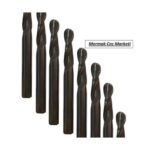
The most suitable CNC router bits for cutting acrylic are typically single flute or spiral O-flute designs made from solid carbide. These bits are engineered with specific geometries to prevent melting and ensure efficient chip evacuation, leading to a smooth, polished cut surface.
Key Design Features and Working Principles
The effectiveness of these bits lies in their ability to manage the thermal properties of acrylic during machining:
- Efficient Chip Evacuation: Acrylic chips can easily melt and adhere to the cutting edges. Single flute and O-flute bits feature large, polished flutes (gullets) that facilitate rapid chip removal, minimizing heat buildup and preventing material re-welding.
- Reduced Friction and Heat Generation: Optimized cutting angles and polished surfaces reduce friction between the bit and the material, thereby lowering heat generation. Sharp, precise cutting edges ensure a clean shearing action rather than rubbing.
- Superior Surface Finish: For applications demanding optical clarity and aesthetic appeal, a smooth, burr-free edge is paramount. The polished flutes and sharp cutting edges of specialized acrylic bits are designed to meet these high-quality surface finish requirements.
- Material: Solid carbide is the preferred material for these bits due to its high hardness, wear resistance, and thermal stability, ensuring longevity and consistent performance. High-speed steel (HSS) bits are generally not suitable for thermoplastics like acrylic as they dull quickly.
Types of Bits and Their Applications
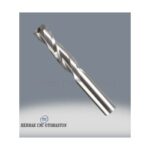
- Single Flute Carbide Bits: A popular choice, offering excellent chip evacuation and heat management. They are ideal for high-speed cutting and achieving smooth finishes.
- O-Flute Carbide Bits: Specifically developed for plastics and composites. Their wide, rounded flutes and polished surfaces prevent chip adhesion. While both single and double flute O-flute versions exist, single flute variants are often preferred for acrylic.
- Spiral Bits:
- Up-Cut Spiral: Ejects chips upwards, away from the workpiece, which is effective for cooling and chip removal. However, it can sometimes lift thin materials. Best for bottom surface finish.
- Down-Cut Spiral: Pushes chips downwards, helping to hold the material firmly on the table and providing a cleaner top surface finish. This can increase the risk of heat buildup if chip evacuation is poor. Ideal for thicker acrylics or when top surface quality is critical.
- Compression Bits: Combine up-cut and down-cut actions for superior finish on both surfaces, though less common for acrylic than specialized single or O-flute bits.
Recommended Cutting Parameters (General Guidelines)
These parameters should be optimized based on material thickness, specific bit, and CNC machine capabilities:
- Spindle Speed (RPM): High RPMs (typically 18,000 – 24,000+) are recommended to achieve a shearing action and minimize melting.
- Feed Rate (mm/minute): Must be balanced with spindle speed. Too slow can cause melting; too fast can stress the bit. A starting range of 1500 – 4000 mm/minute is common, but testing is crucial.
- Chip Load (mm/tooth): Aim for 0.05 – 0.15 mm/tooth for optimal balance between cut quality and tool life.
- Depth of Cut (DOC): For thicker acrylics (5mm+), multiple passes (e.g., 1-3 mm per pass) are often better than a single deep cut to manage heat.
- Cooling: Air blast cooling is standard for acrylic to aid chip evacuation and prevent overheating. Avoid liquid coolants, which can stain acrylic.
| Parameter | Recommendation |
|---|---|
| Recommended Bit Type | Single Flute Carbide or O-Flute Carbide |
| Bit Material | Solid Carbide |
| Diameter Range | 2 mm – 12 mm (Application dependent) |
| Spindle Speed (RPM) | 18,000 – 24,000+ RPM |
| Feed Rate (mm/min) | 1500 – 4000 mm/min |
| Chip Load (mm/tooth) | 0.05 – 0.15 mm/tooth |
| Flute Type | Up-Cut or Down-Cut Spiral (based on surface finish needs) |
| Cooling Method | Air Blast (Dry Cutting) |
Practical Considerations for Industrial CNC Routing
- Bit Quality is Key: Invest in high-quality, solid carbide bits from reputable manufacturers. Poor quality bits lead to inferior cuts, increased waste, and shorter tool life, ultimately costing more.
- Machine Rigidity: Ensure your CNC router machine, including its spindle motor and linear guide rails, is rigid and free from excessive vibration. A stable platform is essential for precise cuts and to prevent bit chatter, which can degrade surface finish and damage the material.
- Vacuum Table Performance: A reliable vacuum table is crucial for securely holding thin acrylic sheets during cutting, preventing movement that could lead to inaccurate cuts or workpiece damage. Ensure your vacuum system provides consistent hold-down force across the entire sheet.
- Motion Control Precision: The servo drive and motion control system of your CNC router play a vital role in maintaining consistent speeds and precise toolpath execution, which directly impacts the final cut quality on acrylic.
- Test Cuts: Always perform test cuts on scrap material to fine-tune your cutting parameters (speed, feed, depth) before committing to production runs. This is the most effective way to achieve optimal results for your specific setup.
Conclusion
Achieving a perfect cut on acrylic with a CNC router machine hinges on selecting the right tooling and parameters. By utilizing single flute or O-flute solid carbide bits and carefully controlling your cutting speeds, feed rates, and cooling, you can ensure smooth, clean edges and high-quality finished parts. For industrial applications requiring precision and efficiency, understanding these technical details is paramount.
Ready to optimize your acrylic cutting process? Request a quote on WhatsApp for Mermak CNC solutions tailored to your production needs.
Related product categories: Uncategorized
