





































































How Often Should an Automatic Lubrication System Operate?
📑 Table of contents (Click to open)
Practical notes for CNC router, automation and industrial motion systems.
Understanding Automatic Lubrication Systems (ALS) and Their Operating Frequency
Automatic Lubrication Systems (ALS) are a cornerstone of modern industrial automation, ensuring that critical moving parts of machinery receive precise amounts of lubricant at predetermined intervals. Their primary function is to minimize friction, wear, and heat generation, thereby extending equipment lifespan, reducing unexpected breakdowns, and improving overall operational efficiency. However, the effectiveness of an ALS hinges on correctly establishing its operating frequency. A fixed, one-size-fits-all interval is rarely optimal. Incorrect frequency can lead to either insufficient lubrication, causing accelerated wear, or over-lubrication, resulting in lubricant waste, seal damage, and potential environmental contamination.
Operating Principles and Key Technical Factors
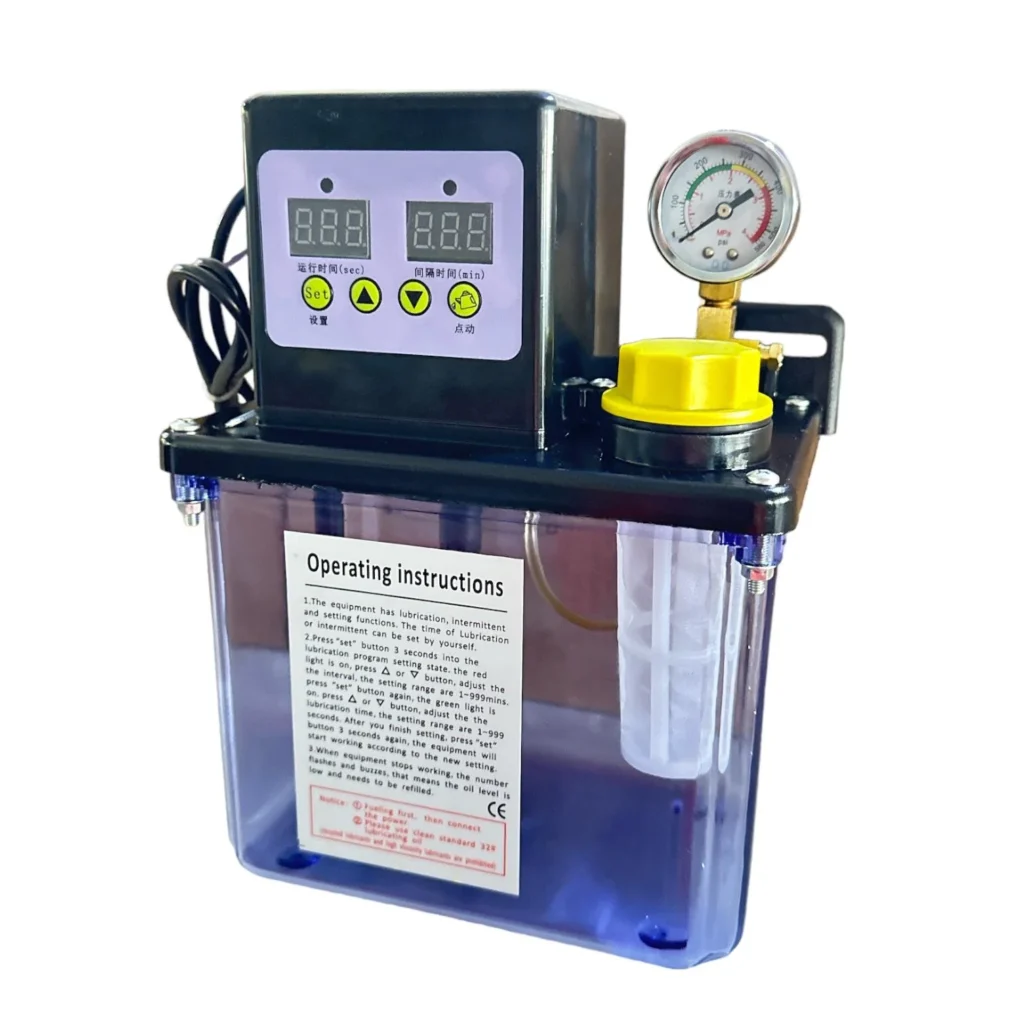
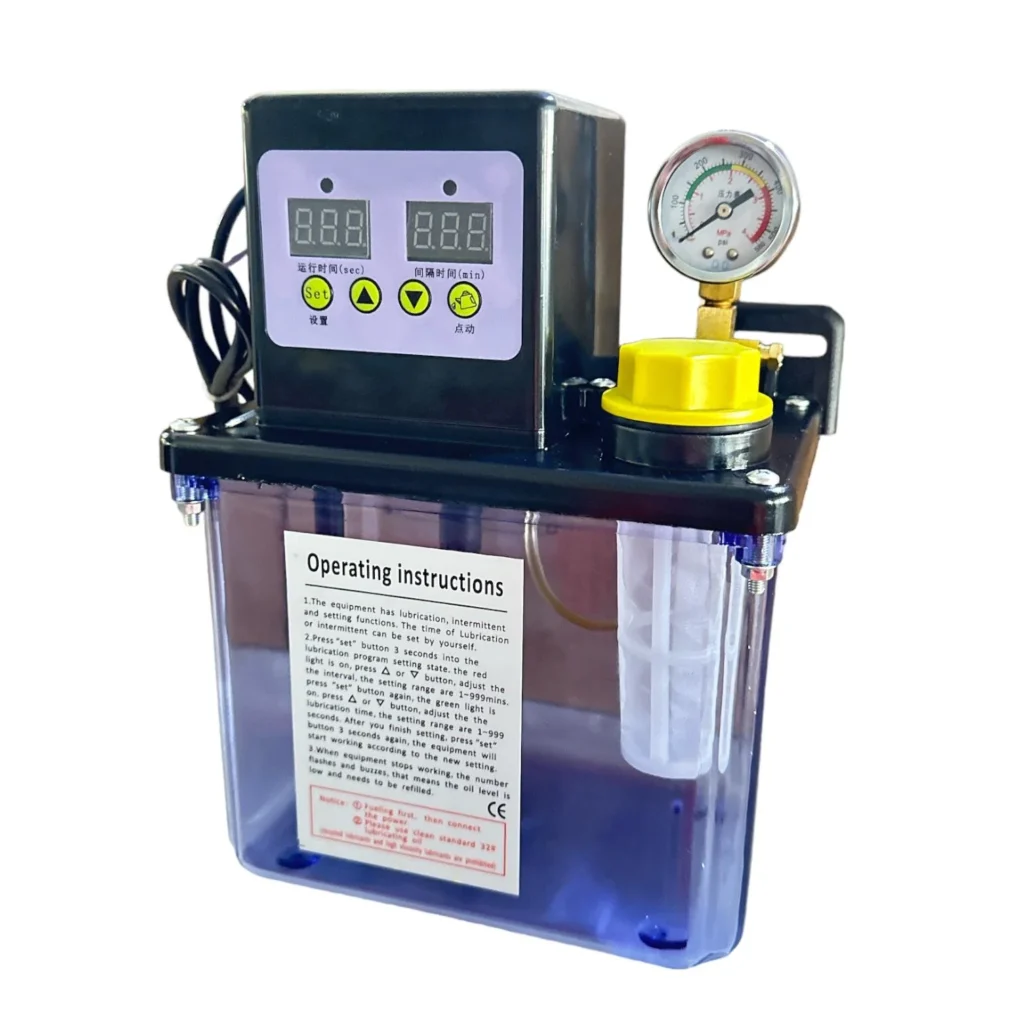
The core principle of an ALS involves a central pump unit drawing lubricant from a reservoir and distributing it through specialized feeders (progressive, single-line, or multi-line) to lubrication points. This distribution is typically controlled by a timer or a Programmable Logic Controller (PLC), initiating lubrication cycles at set intervals. Determining the correct operating frequency requires careful consideration of several technical factors:
- Equipment Type and Criticality: Different components like bearings, gears, and linear guide rails have distinct lubrication needs. High-speed, high-load bearings, for instance, demand more frequent and precise lubrication than a slow-moving chain. The manufacturer’s criticality rating for a component is a significant factor in setting the lubrication interval.
- Operating Conditions:
- Load: Increased load on machinery elevates friction and heat, accelerating lubricant degradation and necessitating more frequent lubrication.
- Speed: High rotational or linear speeds can cause lubricant to be displaced from surfaces or undergo thermal breakdown more rapidly.
- Temperature: Elevated operating temperatures reduce lubricant viscosity and shorten its effective life. A general rule of thumb is that every 10°C increase in temperature can halve the lubricant’s lifespan.
- Environmental Factors: Environments with high dust, humidity, corrosive elements, or chemical vapors increase the risk of lubricant contamination, requiring more frequent lubrication or specialized lubricants.
- Lubricant Type: The specific grease (e.g., its NLGI class, base oil viscosity, additives like EP or anti-oxidants) or oil used significantly impacts the lubrication interval. High-performance synthetic lubricants may allow for longer intervals compared to standard mineral-based lubricants.
- Manufacturer Recommendations: Always consult the original equipment manufacturer’s (OEM) lubrication guidelines. These often provide formulas based on parameters like bearing diameter, speed, and operating temperature to determine optimal lubrication amounts and frequencies. Standards like ISO 281 can inform bearing life calculations, which in turn influence lubrication strategies.
- System Design and Distribution: The type of feeders used (progressive, single-line), the length and diameter of lubrication lines, and the overall system design affect the delivery of lubricant to each point. Inadequate pressure or excessively long lines can prevent lubricant from reaching all necessary points.
- Calculation Methods for Lubrication Intervals:
- Time-Based: Lubrication cycles are initiated at fixed time intervals (e.g., every 4 hours, daily).
- Cycle-Based: Lubrication is triggered after a specific number of machine operational cycles or a certain distance traveled.
- Counter-Based: Lubrication is activated based on accumulated operating hours or production counts.
- Smart Systems: Advanced systems utilize sensor data (temperature, vibration, current draw) for real-time lubrication needs assessment, aligning with predictive maintenance principles for optimal efficiency.
As a general guideline, many industrial ALS are configured to operate with intervals ranging from minutes to hours (e.g., a short lubrication dose every 15 minutes, or a longer dose every 4 hours). However, this is merely a starting point. A thorough engineering analysis, considering all the factors above, is essential. Developing a lubrication map and continuously monitoring and optimizing the system’s performance are crucial for long-term success.
| Parameter | Value/Description |
|---|---|
| Lubrication Interval Type | Time-Based, Cycle-Based, Counter-Based, Smart Sensor-Assisted |
| Typical Interval Setting | “Waiting time” between lubrication cycles ranging from 5 minutes to 8 hours |
| Lubricant Amount (Dosing) | Adjustable amount per lubrication point, from 0.01 cm³ to 2.0 cm³ |
| System Operating Pressure | 100 bar (1450 psi) to 400 bar (5800 psi) for grease systems |
| Operating Temperature Range | -30°C to +80°C (varies with environment and lubricant) |
| Lubricant Viscosity Range | NLGI 000 – NLGI 2 (grease), ISO VG 32 – ISO VG 460 (oil) |
| Alarm Thresholds | Low lubricant level, line pressure drop/rise, pump malfunction |
| Control Mode | Internal timer, PLC integration, SCADA or DCS connectivity |
Field Considerations for Optimal Performance
- Correct Lubricant Selection and Compatibility: Ensuring the grease or oil used is compatible with both the machinery’s requirements and the ALS components is crucial. Mixing different greases can lead to chemical reactions, lubricant breakdown, or blockages in the pump and feeders. Viscosity, NLGI class, base oil type, and additives must be appropriate for the operating temperature and load conditions.
- System Installation and Calibration: Proper installation involves using lubrication lines of the correct length and diameter, minimizing kinks and sharp bends to ensure consistent lubricant delivery pressure to all points. Accurate calibration of the dosing units is essential to deliver the precise amount of lubricant required at each point, preventing both under- and over-lubrication. An improperly installed or calibrated system can lead to equipment failure.
- Periodic Checks and Maintenance: ALS are not “set and forget” systems. Regular checks of lubricant levels, visual inspections for leaks or blockages in lines, monitoring pump performance, and cleaning or replacing filters are necessary. Maintaining hygiene during lubricant refilling is vital to prevent contamination of the reservoir. These routine checks ensure the system’s longevity and efficiency.
- Data Monitoring and Analysis: Modern ALS can be equipped with sensors for pressure, flow, and even lubricant analysis. Integrating this data into SCADA or DCS systems allows for continuous monitoring and analysis, providing insights into system health and lubricant condition. This data-driven approach is key to fine-tuning lubrication intervals and enabling proactive maintenance, ultimately reducing downtime and operational costs.
By carefully considering these factors and implementing a proactive maintenance strategy, you can ensure your automatic lubrication system operates at the optimal frequency, safeguarding your valuable industrial machinery and maximizing its performance. For tailored solutions and expert consultation on your specific CNC router machine or industrial CNC router needs, including advanced motion control systems, high-performance spindle motors, and reliable servo drives, contact us today.
Ready to optimize your machinery’s maintenance and performance? Request a quote on WhatsApp for advanced lubrication solutions!
Related product categories: General · Electronics · Combination Packages
