







































































How Often Should an Automatic Lubrication System Operate?
📑 Table of contents (Click to open)
Practical notes for CNC router, automation and industrial motion systems.
Understanding Automatic Lubrication System (ALS) Operating Frequency
In the realm of industrial automation and machinery maintenance, automatic lubrication systems (ALS) play a vital role in extending equipment life, reducing downtime, and enhancing operational efficiency. These systems deliver precise amounts of lubricant (grease or oil) to critical points at regular intervals, eliminating the need for manual lubrication. However, the question of how often an ALS should operate is complex and requires careful engineering consideration. This question is directly linked to determining the correct lubrication interval and lubrication amount. The right interval and amount ensure that lubrication points remain in optimal condition, preventing issues arising from over- or under-lubrication. This not only prevents lubricant waste but also extends bearing life, minimizes unexpected stoppages, and reduces maintenance costs. Therefore, the function of an ALS goes beyond being a mere component; it is a strategic tool for managing machine health.
Operating Principle and Technical Data
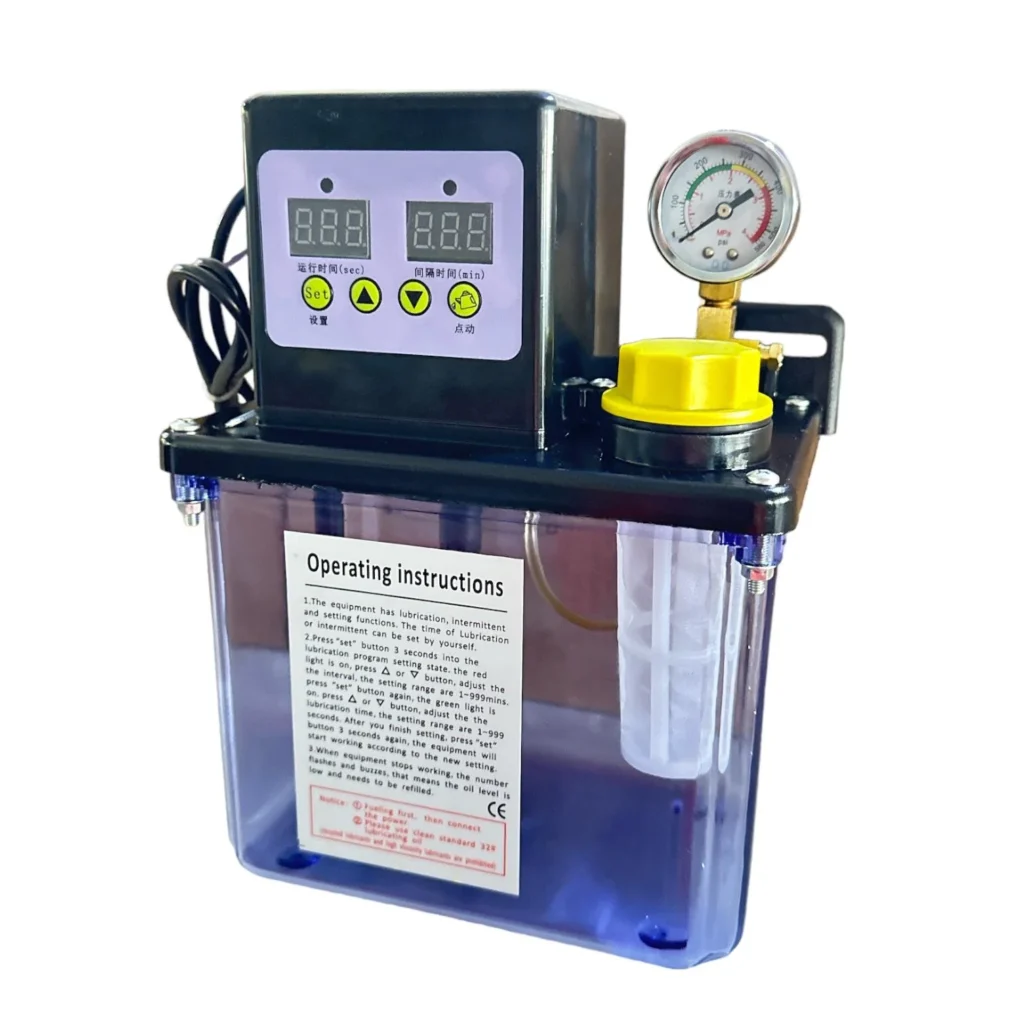
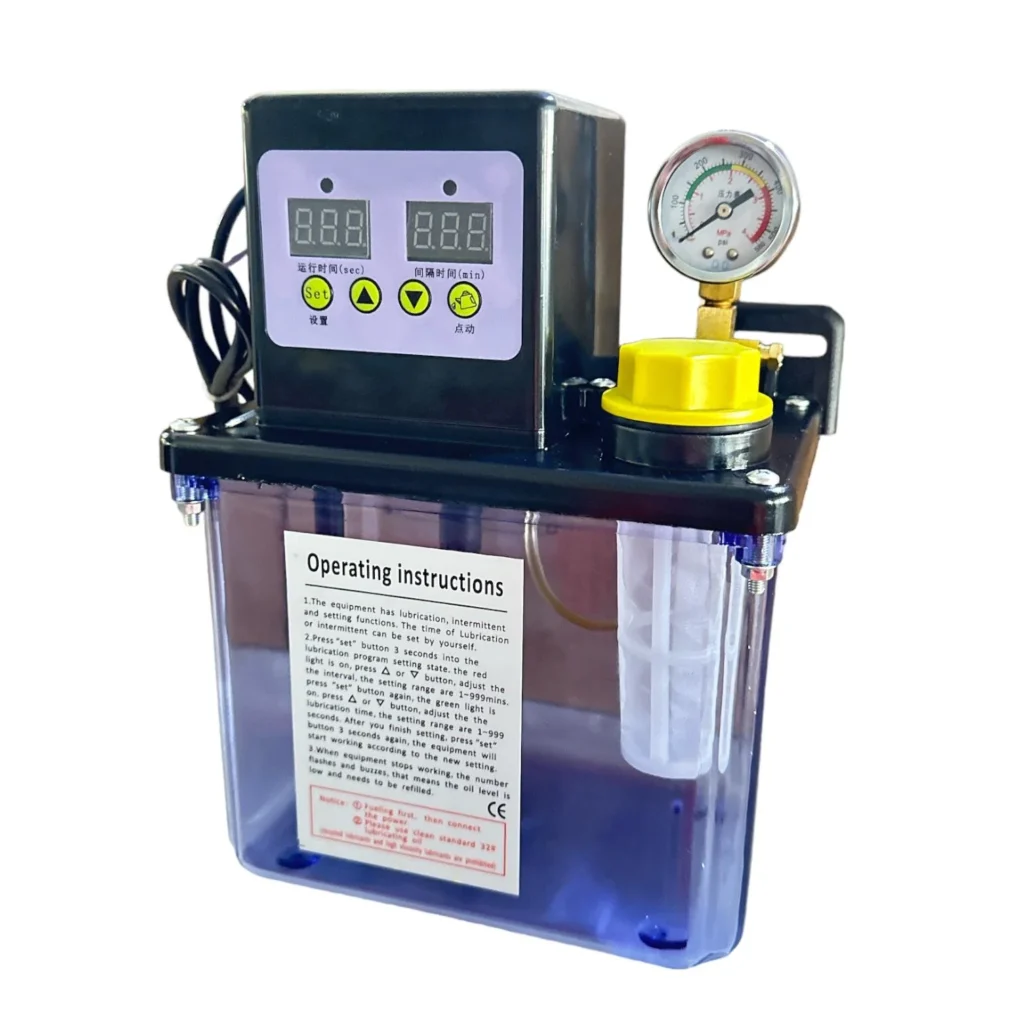
An automatic lubrication system typically comprises a pump unit, lubricant reservoir, distribution lines, metering units (dispensers), and a control unit. The control unit activates the pump according to a set program, sending lubricant under pressure from the reservoir through the distribution lines. The metering units then deliver predetermined, precise amounts of lubricant to each lubrication point. The operating frequency, or lubrication interval, is configured via this control unit and is determined by several key factors:
- Machine Type and Application: The lubrication needs of a high-speed press differ significantly from those of a low-speed conveyor belt or a wind turbine. Each sector and machine type, such as construction machinery, mining equipment, food processing machines, or steel mills, has unique dynamics.
- Bearing Type and Size: Different lubrication points, including bearings, bushings, slides, and gears, have distinct lubrication requirements. The size of the bearing, its load-carrying capacity, and its operating principle (sliding or rotating) are critical determinants.
- Operating Conditions:
- Load: Bearings operating under high loads require more frequent lubrication.
- Speed: Bearings operating at high speeds may need more frequent and/or larger lubricant applications to dissipate friction heat.
- Temperature: High operating temperatures can reduce lubricant viscosity, diminishing film strength and accelerating oxidation, potentially necessitating more frequent lubrication. Low temperatures can affect lubricant fluidity.
- Environmental Contamination: Dusty, humid, or chemically exposed environments increase the rate of lubricant contamination and stress sealing elements, requiring more frequent lubrication and/or a higher lubricant volume to flush contaminants.
- Lubricant Type: The properties of the grease or oil used (viscosity, penetration, additives, NLGI class) directly influence the lubrication interval. Synthetic greases, for example, may offer longer service life, while mineral-based greases might be more suitable for specific applications.
- Machine and Component Manufacturer Specifications: Equipment manufacturers often provide valuable information regarding initial lubrication intervals and lubricant types. These data should serve as the starting point.
- Current Wear Status and Historical Data: A machine’s age, past failure records, and current wear condition offer significant insights for determining the lubrication strategy. Condition monitoring techniques, such as vibration analysis and oil analysis, play a key role in establishing optimal intervals.
- System Type: Single-line, dual-line, progressive, or circulating systems differ in how they distribute lubricant and their control flexibility. Progressive systems are often more reliable for ensuring every point receives lubrication.
A combination of these factors necessitates a comprehensive engineering analysis to determine the optimal lubrication interval and lubrication amount. In most cases, the process begins with manufacturer recommendations, followed by fine-tuning based on field data and condition monitoring results. For instance, conveyor belt bearings might require 0.5-2 grams of grease every 1-4 hours, while the main bearings of a high-load press might need 5-10 grams of grease every 15-30 minutes. Modern systems feature intelligent control units capable of dynamically adjusting lubrication frequency based on parameters like temperature, pressure, and vibration.
| Parameter | Value/Description |
|---|---|
| Machine Type | Conveyor, Press, Robot, Wind Turbine, Construction Machinery |
| Bearing Load | Low, Medium, High (load factor coefficients) |
| Operating Speed | Low (0-100 rpm), Medium (100-1000 rpm), High (>1000 rpm) |
| Operating Temperature | Low (<0°C), Normal (0-70°C), High (>70°C) |
| Environmental Conditions | Clean, Dusty, Humid, Wet, Chemical Exposure |
| Lubricant Type | Grease (NLGI class), Industrial Oil (ISO VG class) |
| Typical Lubrication Interval | 5 minutes – 24 hours (varies by application) |
| Typical Lubrication Amount | 0.1 gr – 50 gr (per point, depending on bearing size) |
| System Pressure | Typically 150-300 bar (depending on system and lubricant) |
Field Considerations for Optimal Performance
- Correct Lubricant Selection and Compatibility: The core of the system is the right lubricant. Select a grease or oil that is compatible with the machine manufacturer’s recommendations, suitable for the operating conditions (temperature, load, speed, environment), and compatible with existing lubricants. Incorrect lubricant selection can degrade system performance and shorten bearing life. Lubricant viscosity, penetration, drop point, and additives are critical.
- Calibration and Control of Metering Units (Dispensers): Ensure each lubrication point receives the correct amount of lubricant by carefully setting and periodically checking the metering units. Insufficient lubrication leads to wear, while over-lubrication causes waste, damages seals, and contributes to environmental pollution. Progressive distributors can be monitored using blockage indicators to ensure correct operation.
- Periodic Checks and Maintenance: Regularly inspect the lubrication system visually for line leaks, pump performance, filter blockages, and reservoir levels. Damaged or blocked lines can prevent lubricant from reaching its destination. Regular filter replacement maintains lubricant cleanliness and extends the life of system components.
- Continuous Evaluation of Environmental Factors: Environmental conditions such as dust, water, humidity, and temperature fluctuations at the site can change over time. These changes may require re-evaluating the lubrication interval and amount. Temperature variations, in particular, affect lubricant viscosity and, consequently, its flowability.
- Adherence to Machine Manufacturer Instructions: When installing and setting up an automatic lubrication system, always refer to the instructions provided by the manufacturer of the machine and its components. These instructions typically serve as the initial reference point for determining appropriate lubrication parameters.
By carefully considering these factors and implementing a proactive maintenance strategy, industrial facilities can ensure their automatic lubrication systems operate at the optimal frequency, maximizing equipment lifespan and operational reliability.
For tailored solutions and expert advice on selecting and implementing the right automatic lubrication system for your CNC machinery or industrial equipment, request a quote on WhatsApp today.
Related product categories: Genel · Mekanik · Otomatik Yağlama Çeşitleri
