





































































How to Check Ball Screw Lubrication Points
📑 Table of contents (Click to open)
Proper lubrication is crucial for the longevity and performance of ball screws in CNC machines. This guide explains how to inspect lubrication points, ensuring your machinery operates efficiently.
Practical notes for CNC router, automation and industrial motion systems.
Understanding Ball Screw Lubrication Points
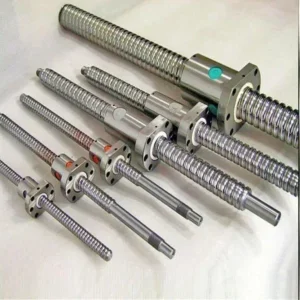
Ball screws are critical components in industrial automation, enabling high-precision linear motion in CNC machines, robotics, and other advanced equipment. Their efficient and long-lasting operation hinges on proper lubrication. Inspecting lubrication points is a vital maintenance task designed to minimize friction, prevent wear, dissipate heat, and protect against corrosion. Regular checks help detect potential issues early, reduce unplanned downtime, and optimize overall system performance. Lubrication points are typically found at grease nipples or connection points for centralized lubrication systems. The inspection process involves both visual checks and verification of technical parameters to ensure the correct lubricant is applied in the right amount and frequency.
How to Inspect Ball Screw Lubrication Points
To inspect the lubrication points of a ball screw, begin by visually examining the seals around the screw and nut. Ensure that the lubrication grease or oil is at an adequate level and free from contaminants. Check the grease nipples for any signs of damage or blockage. Verify that the correct type and amount of lubricant are being used, and confirm adherence to the recommended lubrication schedule. Observe for any signs of wear or leakage around the lubrication points and seals.
Principle of Operation and Technical Data
Ball screws convert rotational motion into linear motion through helical grooves on the screw and balls within the nut. These balls reduce friction by enabling rolling motion. However, this motion still generates friction, heat, and potential wear. Lubrication creates a film between the balls and grooves, preventing metal-to-metal contact, reducing wear, dissipating heat, and protecting against corrosion. It also acts as a barrier against contaminants entering the mechanism.
Lubrication methods are broadly categorized into grease lubrication and oil lubrication. Grease offers better sealing and longer-lasting protection, while oil provides superior heat dissipation and finer control. Application methods include manual lubrication (using a grease gun on nipples) and automatic/centralized lubrication systems, which dispense lubricant at set intervals and quantities, minimizing human error in complex machinery.
Key technical data to consider during lubrication checks include:
- Lubricant Type: Always use the specific grease or oil recommended by the manufacturer. Incorrect lubricants can cause incompatibility, viscosity issues, chemical reactions, or inadequate film thickness, potentially damaging the system. Common choices include lithium soap greases, polyurea greases, or synthetic oils, with synthetics often preferred for wider temperature ranges and higher performance demands.
- NLGI Grade (for Grease): This indicates the consistency of the grease (e.g., NLGI 2). The correct grade should be selected based on operating temperature, speed, and load. Lower grades (e.g., NLGI 1) are suitable for higher speeds and lower torque requirements, while higher grades (e.g., NLGI 3) are better for heavier loads and lower speeds.
- Lubrication Frequency and Quantity: This varies significantly based on ball screw size, speed, load, operating environment, and manufacturer guidelines. Over-lubrication can damage seals, generate heat, and waste energy, while under-lubrication leads to excessive wear and premature failure. Lubrication is typically recommended after a certain number of operating hours, linear travel distance, or cycles.
- Operating Environment: Dusty, humid, high-temperature, low-temperature, or chemically contaminated environments directly impact lubrication frequency and lubricant choice. Special seals, water-resistant, or corrosion-inhibiting lubricants may be necessary. In environments with aggressive chemicals, chemically resistant lubricants are essential.
- Lubrication Pressure (for Grease): The pressure applied during manual lubrication with a grease gun is important. Excessive pressure can damage seals and cause lubricant leakage. Correct pressure ensures the lubricant reaches all lubrication channels.
Proper management of these parameters extends the life of the ball screw, enhances system reliability, reduces maintenance costs, and preserves production quality.
| Parameter | Value/Description |
|---|---|
| Recommended Lubricant Type | Manufacturer specification (e.g., Lithium soap grease, Polyurea grease, Synthetic oil, Hydraulic oil) |
| NLGI Grade (for Grease) | Typically NLGI 1 or NLGI 2 (varies by application and temperature; NLGI 3 for low speed/high load) |
| Lubrication Frequency | Every 50-200 operating hours or 500-1000 km linear travel (may be more frequent with intensive use) |
| Application Quantity | 0.5-2 cm³ per grease nipple (depending on screw diameter and length), or calibrated dosage for automatic systems |
| Operating Temperature Range | -30°C to +120°C (varies by lubricant and screw type; wider ranges for special applications) |
| Visual Inspection Points | Grease nipples, wiper seals, screw surface, leakage, lubricant color, consistency, signs of contamination |
| Lubrication Pressure (for Grease) | Max 300 bar for manual application (to avoid seal damage and ensure lubricant distribution) |
Regularly checking and maintaining your ball screw lubrication points is essential for the smooth operation of your industrial CNC router machine and other automated equipment. Proper care ensures the reliability of critical components like the spindle motor and servo drives, contributing to overall machine efficiency.
Need expert advice on maintaining your CNC machinery? Request a quote on WhatsApp today!
Related product categories: Vidalı Mil · Genel · 20 mm Vidalı Mil Ve Somun Çeşitleri
