






































































Does Machine Precision Degrade During Relocation? | Mermak CNC

📑 Table of contents (Click to open)
Practical notes for CNC router, automation and industrial motion systems.
Can Machine Precision Be Compromised During Relocation?
Yes, machine relocation processes can indeed lead to a loss of precision, particularly with industrial automation equipment. If proper planning, professional disassembly, transportation, reassembly, and recalibration are not meticulously executed, the machine’s performance and production quality can be negatively affected.
Understanding Precision Degradation in Machine Relocation
Industrial automation systems rely on machines designed for high precision and repeatability. Moving these complex machines from one location to another is a high-risk operation. The answer to “Can machine precision be compromised during relocation?” is often yes, though the extent of degradation depends on the relocation methodology, machine structure, and precautions taken. Precision loss can stem from micro-shifts in the machine’s mechanical structure, misalignment of optical systems, altered sensor settings, or fundamental stability issues. A machine’s precision is its ability to operate within specified tolerances. For instance, a CNC machining center might require micron-level accuracy, while an assembly robot may operate with tenth-of-a-millimeter precision. External forces, vibrations, sudden impacts, and improper lifting techniques during transport can push these critical precision values outside acceptable limits. This can result in reduced final product quality, decreased production efficiency, and even a shortened machine lifespan. Therefore, machine relocation should be treated not just as a logistical task, but as a technical operation that impacts the machine’s long-term performance.
Operating Principles and Technical Data
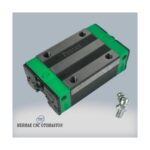
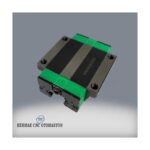
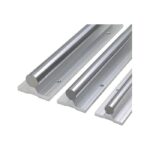
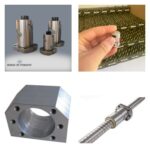
The precision of industrial machines is typically achieved through the synchronized operation of integrated components. These include linear guide rails, ball screws, servo motors, gearboxes, high-resolution sensors (encoders, laser sensors), optical systems, and a robust machine chassis. Each component contributes to the machine’s overall positioning, machining, or measurement accuracy. Stresses experienced during relocation can directly affect these operating principles. For example, even a minor shift in a linear guide rail system or deformation in ball screw bearings can negatively impact the machine’s repeatability and positioning accuracy. For equipment with optical systems, such as optical measurement devices or laser cutting machines, misalignment or dislodging of optical elements can render them completely non-functional.
One of the primary technical challenges during machine relocation is maintaining the machine’s geometric accuracy. This encompasses the flatness of the machine bed, the parallelism and perpendicularity of axes, and other critical alignments. The machine’s fundamental structure can bend or suffer permanent deformation due to uneven load distribution or improper lifting points during transport. Furthermore, electronic components and sensitive sensors within the machine must be protected from excessive vibration and electrostatic discharge. Reinstallation and commissioning after relocation require accurate re-establishment of the machine’s reference points and zero positions. This process often involves high-tech measurement equipment like laser interferometers, auto-collimators, and precision levels. Thermal expansion coefficients, indicating how machine materials react to temperature changes, are also crucial; temperature differences during transport or at the new installation site can cause temporary or permanent shifts in machine geometry, underscoring the need for meticulous relocation management.
| Parameter | Value/Description |
|---|---|
| Positioning Accuracy | Typically ±5 µm to ±50 µm; deviation > ±10 µm post-relocation is a critical risk. |
| Repeatability | Generally ±1 µm to ±10 µm; a decrease of more than 20% post-relocation is unacceptable. |
| Machine Bed Flatness | Should be less than 0.02 mm/m; critical deformation of the base post-relocation is a major concern. |
| Axis Parallelism & Perpendicularity | ±5 arcseconds (angular) or ±0.01 mm/m (linear); must be checked with laser alignment. |
| Vibration Resistance | Evaluated per ISO 10816-1; shocks above 5G during transport are risky. |
| Thermal Expansion Coefficient | Steel: ~11-13 µm/m/°C; Aluminum: ~23 µm/m/°C; temperature stabilization is vital. |
| Lifting Point Load Capacity | Calculated with a 1.5-2x safety factor of machine weight; transport equipment must match. |
Key Considerations for On-Site Relocation
- Detailed Planning and Risk Analysis: Comprehensive planning is essential before commencing the relocation. This includes understanding the machine’s structure, weight, dimensions, disassembly and reassembly procedures, required equipment (cranes, forklifts, specialized transport vehicles), the transport route, and the timeline. Potential risks (impacts, vibrations, drops) must be identified, and measures to minimize them implemented. Route surveys, floor load capacities, and doorway dimensions are critical logistical details to confirm.
- Professional Disassembly and Packaging: Disassembly must follow manufacturer instructions, with reference points clearly marked. Sensitive components (optical sensors, robot arms, control panels) should be carefully removed, packaged with protective materials (anti-static bags, foam padding, vacuum sealing), and properly labeled. The machine’s center of gravity and lifting points must be identified, ensuring stability with balancing apparatus. Hydraulic and pneumatic systems should be drained, and cables and hoses neatly secured.
- Safe Transportation and Load Distribution: During transport, the machine should be placed on specialized vibration-dampening platforms or air-cushioned systems. Speed limits must be observed, and sudden movements avoided. Load distribution on the transport vehicle must be planned to maintain the machine’s structural integrity. For high-precision machines, enclosed, climate-controlled transport vehicles are recommended. Necessary safety measures against falling or tipping must be in place.
- Accurate Reassembly and Alignment: Reassembly at the new location must adhere to original installation standards and manufacturer specifications. Foundation stability and flatness are paramount. Using laser alignment devices, precision levels, and auto-collimators, the machine bed, axes, and all moving parts must be aligned to micron-level accuracy. Fasteners (bolts, nuts) should be tightened to specified torque values, with checks for loosening. These steps are fundamental to restoring the machine’s geometric accuracy.
- Comprehensive Calibration and Testing: Post-assembly, recalibration is a critical step. This involves checking and adjusting axis accuracy, repeatability, parallelism, perpendicularity, and zero-point settings. Laser interferometers should test axis movements, and ball-bar tests should measure circular interpolation accuracy. All sensors, encoders, and control systems must be recalibrated. The machine should be tested under full load and various operating conditions to ensure its performance has returned to its original level.
- Environmental Factor Control: The new installation site’s environmental conditions, such as temperature, humidity, and vibration levels, must be monitored and controlled to meet the machine’s operational requirements. Stable environmental conditions are crucial for maintaining precision over time.
Relocating an industrial CNC router machine or any sophisticated automated equipment requires specialized expertise. Neglecting any of these steps can lead to significant precision loss, impacting your production output and quality. Ensure your next machine move is handled by professionals.
For expert consultation on relocating your industrial CNC router or other precision machinery, contact us today. Request a quote on WhatsApp to discuss your specific needs and ensure a seamless, accurate transition for your valuable equipment.
Related product categories: Genel · Mekanik · Elektronik