





































































The Critical Role of Lubrication in Threading Operations

📑 Table of contents (Click to open)
Threading operations on CNC machines require proper lubrication to ensure tool longevity, reduce heat buildup, facilitate chip evacuation, and enhance workpiece surface quality. This article delves into the technical principles and practical considerations of lubrication in threading.
Practical notes for CNC router, automation and industrial motion systems.
Why is Lubrication Important in Threading?
Threading is the process of creating internal or external screw threads on a workpiece, typically using specialized cutting tools such as drills, taps, or dies. This material removal process inherently generates significant friction and heat. Lubrication plays a vital role by applying specialized fluids or compounds to the cutting zone. Its primary objectives are to reduce friction, dissipate heat, facilitate chip evacuation, and improve the surface finish of the workpiece. For industries focused on precision and repeatability with industrial CNC routers, effective lubrication is not merely an additional step but a fundamental engineering requirement that directly impacts production quality, tool life, and overall efficiency.
Insufficient or incorrect lubrication can lead to a cascade of negative outcomes: premature tool wear and breakage, surface roughness on the workpiece, inaccurate thread profiles, thermal deformation of the material, and even workpiece seizure to the tool. These issues result in production downtime, increased scrap rates, and significant costs. A well-defined lubrication strategy minimizes these risks, ensuring operational continuity and product quality. In automated manufacturing environments, where uninterrupted and error-free production is paramount, the importance of proper lubrication is amplified. Modern CNC machines are designed for optimal performance within specific parameters, and maintaining this optimization relies heavily on consistent and correct lubrication.
Operating Principles and Technical Data
The core purpose of lubrication in threading is to optimize the physical and chemical conditions at the cutting interface. This optimization is achieved through four primary mechanisms:
- Friction Reduction: By preventing direct metal-to-metal contact between the cutting tool and the workpiece, lubricants significantly lower the coefficient of friction. The lubricant forms a film between the surfaces, minimizing wear and energy loss. This allows the tool to operate with less resistance, extending its lifespan.
- Heat Dissipation (Cooling): The mechanical energy consumed during cutting is converted into heat. This heat can reduce the hardness of the tool’s cutting edge, cause thermal distortion in the workpiece, and degrade surface quality. Lubricants, with their high specific heat capacity and thermal conductivity, effectively absorb and carry this heat away from the cutting zone, helping to maintain optimal temperatures for both the tool and the workpiece.
- Chip Evacuation: Chips generated during threading must be removed from the cutting zone to prevent tool binding, cutting edge clogging, and surface scratching on the workpiece. The fluidity of lubricants helps to flush these chips away, ensuring a cleaner working environment. This is particularly critical for deep threading operations.
- Surface Finish and Tool Life Improvement: Reduced friction and effective cooling result in smoother surfaces and more precise thread profiles on the workpiece. Lubricants also delay the wear and fatigue of the tool’s cutting edges, substantially extending tool life. Some lubricants contain Extreme Pressure (EP) additives that react chemically under high temperature and pressure to form a protective layer on metal surfaces, preventing adhesion (welding).
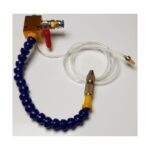
Modern CNC machines used in industrial automation often employ cutting fluids or Minimum Quantity Lubrication (MQL) systems. Cutting fluids can be water-based emulsions or neat oils. Emulsions offer excellent cooling, while neat oils provide superior lubrication and EP performance. MQL systems atomize very small amounts of lubricant with air and spray them directly onto the cutting zone, reducing fluid consumption, simplifying waste management, and offering an environmentally friendly alternative. The choice of lubricant depends on the material type, tool material, cutting speed, thread depth, and desired surface finish.
| Parameter | Value/Description |
|---|---|
| Lubricant Type | Water-Based Emulsions (cooling-focused), Neat Cutting Oils (lubrication & EP-focused), MQL Oils (minimal waste) |
| Viscosity | Low (good cooling & chip evacuation), High (thick film, high pressure resistance) – Varies by operation and material. |
| Application Method | Flood (continuous flow), MQL (mist spray), Through-Spindle Coolant (internal tool cooling) |
| Additives | EP (Extreme Pressure) additives (sulfur, chlorine), Rust inhibitors, Anti-foaming agents, Biocides. |
| Workpiece Material | Steel, Stainless Steel, Aluminum, Titanium, Cast Iron (Each material has specific lubricant requirements). |
| Cutting Speed | Higher speeds may require more cooling, while lower speeds might benefit more from lubrication. |
| pH Value (Water-Based) | Typically 8.5-9.5. Prevents corrosion and controls biological growth. |
Field Considerations for Threading Lubrication
- Correct Lubricant Selection: Factors such as the workpiece material (steel, aluminum, stainless steel), tool material (HSS, carbide), cutting speed, and thread depth dictate the type and properties (viscosity, EP additives) of the lubricant. Incorrect selection shortens tool life and degrades workpiece quality. Manufacturer recommendations and material data sheets are crucial guides.
- Lubricant Application Method and Quantity: Delivering the lubricant to the cutting zone in the correct amount and from the right location is vital. For flood applications, ensure adequate pressure and flow rate. For MQL systems, optimize nozzle settings and air-oil mixture ratios. Insufficient application leads to overheating and tool wear, while excessive use results in unnecessary consumption and waste. Regular calibration and inspection of automated lubrication systems are essential.
- Lubricant Maintenance and Monitoring: Especially for water-based emulsions, contamination, bacterial growth, and concentration changes can degrade performance over time. Regularly check pH levels, concentration, contamination, and biological growth. Intervene as needed through filtration, additive replenishment, or complete fluid replacement. Degraded lubricant shortens tool life, reduces surface quality, and can pose health risks.
- Chip Management: Effective chip evacuation is necessary regardless of lubrication quality. Chip buildup can cause tool breakage and damage threads. Lubricants should have chip-carrying properties, and systems should integrate with chip conveyors. Continuous observation is required to ensure chips are being cleared properly.
- Environmental and Safety Factors: Consider the environmental impact and potential health risks of the lubricants used. Opt for low VOC (volatile organic compound) content, non-allergenic, and biodegradable lubricants. Ensure proper ventilation, use appropriate personal protective equipment (PPE), and strictly adhere to waste oil management procedures.

Frequently Asked Questions (FAQ)
- What is the primary benefit of using lubrication in threading?
The primary benefits include extending cutting tool life, reducing friction and heat buildup, improving surface finish, and facilitating chip evacuation. - How does lubrication reduce heat during threading?
Lubricants absorb heat generated by friction and metal removal, carrying it away from the cutting zone, thus cooling both the tool and the workpiece. - Can I use any oil for threading on my CNC router machine?
No, it’s crucial to use specialized cutting fluids or MQL oils designed for the specific material being machined, the tool type, and the CNC machine’s lubrication system. General-purpose oils may not provide adequate cooling or lubrication and can damage the machine or workpiece. - What is MQL and why is it used?
MQL (Minimum Quantity Lubrication) uses a very small amount of lubricant mixed with compressed air, sprayed directly at the cutting zone. It’s used to reduce fluid consumption, minimize waste, and provide a cleaner, more environmentally friendly machining process. - How often should cutting fluid be monitored and maintained?
For water-based emulsions, regular monitoring (daily or weekly depending on usage) of pH, concentration, and contamination is recommended. For neat oils, monitoring viscosity and contamination is important. Follow manufacturer guidelines and machine-specific maintenance schedules.
Implementing a robust lubrication strategy is fundamental for achieving optimal performance, extending the life of your CNC router machine components, and ensuring the quality and precision of threaded parts. For expert advice on selecting the right lubrication solutions for your industrial CNC router, contact us.
Related product categories: Genel · Mekanik · Takım Tutucu Kovanlar
