





































































Choosing the Right Pilot Hole Diameter Before Tapping: A Comprehensive Guide

📑 Table of contents (Click to open)
- Understanding Pilot Hole Diameter in Tapping Operations
- How to Select the Pilot Hole Diameter Before Tapping?
- Cutting Taps: Calculating Hole Diameter
- Forming Taps (Roll Taps): Hole Diameter Selection
- The Importance of Thread Engagement Percentage
- Influence of Material Properties
- Field Considerations for Accurate Tapping
- Conclusion: Precision in Every Thread
Practical notes for CNC router, automation and industrial motion systems.
Understanding Pilot Hole Diameter in Tapping Operations
In industrial automation and general machinery manufacturing, the process of creating internal threads, known as tapping, is crucial for assembling components with threaded fasteners like bolts and screws. Selecting the correct pilot hole diameter before tapping is paramount for ensuring the quality, durability, and longevity of the threads, as well as for optimizing production efficiency and tool lifespan. An incorrect pilot hole size can lead to thread stripping, tap breakage, loose connections, or excessive torque requirements. This selection is not merely a numerical choice but a strategic engineering decision that considers the material type, tap type (cutting or forming), desired thread engagement percentage, and specific tolerance requirements. The right pilot hole diameter ensures the tap processes the material optimally, guaranteeing the desired thread profile, adequate strength, and a smooth surface finish.
How to Select the Pilot Hole Diameter Before Tapping?
The fundamental principle behind selecting the pilot hole diameter for tapping involves considering the tap’s nominal diameter and its pitch (thread spacing). The goal is to leave enough material for the tap to form the thread without excessive force or material removal.
Cutting Taps: Calculating Hole Diameter
Cutting taps create threads by removing material (forming chips). The pilot hole diameter for cutting taps is typically calculated based on the tap’s nominal diameter (D) and pitch (P). While a hole diameter equal to the tap’s minor diameter would result in 100% thread engagement, this is impractical and can lead to tap breakage or high torque. Therefore, a thread engagement percentage of 60% to 75% is commonly targeted.
The basic formula for cutting taps (targeting approximately 75% thread engagement) is:
Hole Diameter = Tap Nominal Diameter (D) – Tap Pitch (P)
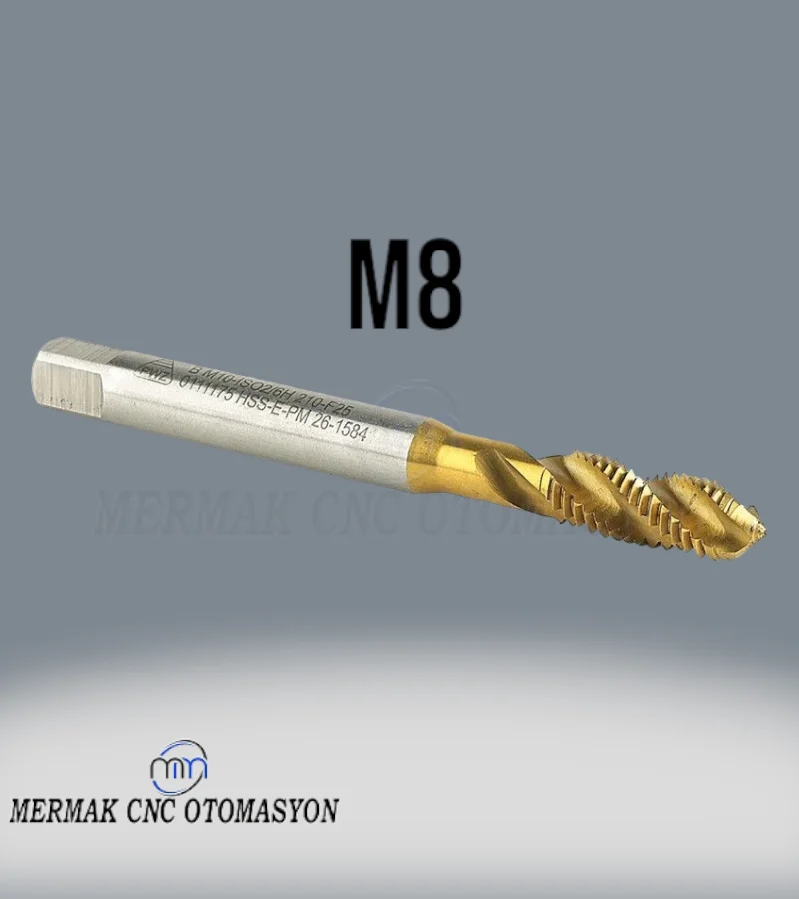
For example, for an M8x1.25 tap (Nominal Diameter = 8 mm, Pitch = 1.25 mm):
Hole Diameter = 8 mm – 1.25 mm = 6.75 mm
This formula provides a good starting point. However, for precision applications or different target engagement percentages, more detailed calculations or manufacturer-provided charts are recommended.

Forming Taps (Roll Taps): Hole Diameter Selection
Forming taps, also known as roll taps, create threads by plastically deforming the material rather than cutting it. This method produces stronger, burnished threads, especially in ductile materials like aluminum, soft steel, and brass. The pilot hole for forming taps needs to be larger than for cutting taps, as the material is displaced into the tap’s thread grooves.
A common approximate formula for forming taps is:
Hole Diameter = Tap Nominal Diameter (D) – (0.6 * Tap Pitch (P))
For an M8x1.25 forming tap:
Hole Diameter = 8 mm – (0.6 * 1.25 mm) = 8 mm – 0.75 mm = 7.25 mm
Crucially, for forming taps, the hole diameter selection is highly dependent on the material’s ductility and the specific tap geometry. Always consult the tap manufacturer’s recommendations and charts for optimal results.

The Importance of Thread Engagement Percentage
Thread engagement percentage refers to how much of the theoretical thread depth is actually formed. While 100% engagement offers maximum thread strength, it makes tapping extremely difficult and drastically reduces tool life. A 60% to 75% engagement range typically provides a good balance between thread strength and the ease of the tapping process, extending tool life. For most industrial automation applications using standard fasteners, 65%-75% engagement is sufficient. Critical applications may require specific engineering calculations or testing to determine the optimal percentage.
Influence of Material Properties
- Ductile Materials (Aluminum, Copper, Mild Steel): Ideal for forming taps. If using cutting taps, chip evacuation is key.
- Hard and Brittle Materials (Cast Iron, High-Alloy Steels): Cutting taps are usually preferred. Hole diameter tolerance is critical for very hard materials.
- Stainless Steels: Prone to work hardening, making correct hole diameter and tapping parameters (low speed, high feed rate) essential.
- Plastics: Thermoplastics can often be tapped with forming taps, while thermosets may require cutting taps. Material flexibility and fatigue resistance are important considerations.
| Tap Type | Nominal Diameter (D) | Pitch (P) | Recommended Hole Dia. (Cutting Tap, ~75% Engagement) | Recommended Hole Dia. (Forming Tap, ~60% Engagement) | Material Notes |
|---|---|---|---|---|---|
| M3 Standard | 3.0 mm | 0.5 mm | 2.5 mm | 2.65 mm | General purpose, small diameter |
| M5 Standard | 5.0 mm | 0.8 mm | 4.2 mm | 4.52 mm | Medium strength steels, aluminum |
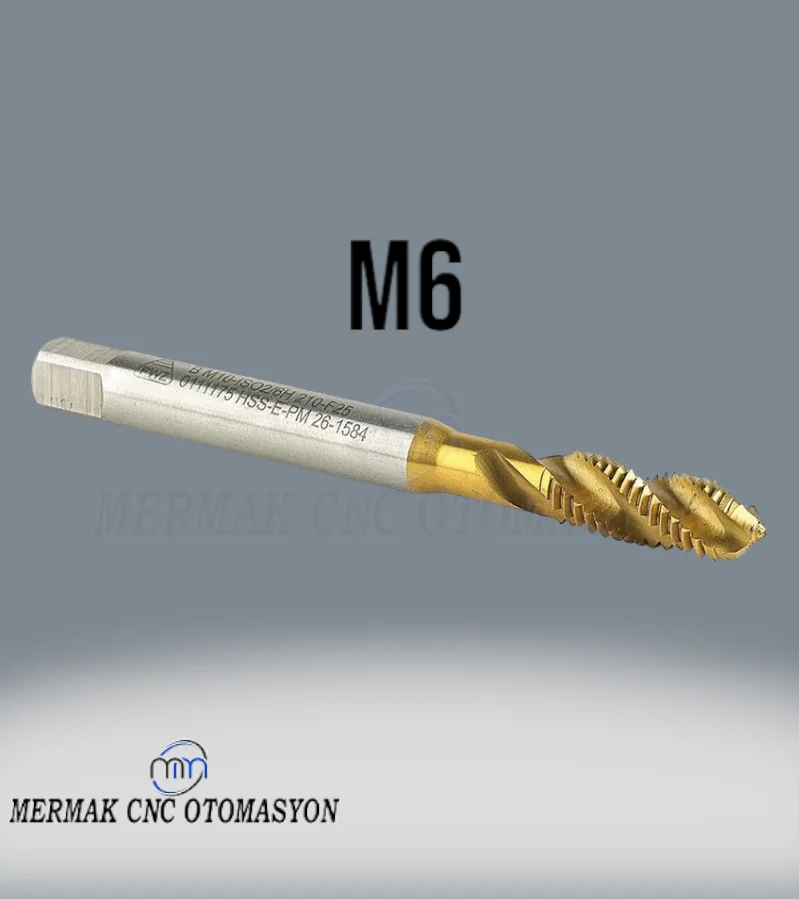
| M6 Standard | 6.0 mm | 1.0 mm | 5.0 mm | 5.40 mm | General machine parts, brass |
| M8 Standard | 8.0 mm | 1.25 mm | 6.75 mm | 7.25 mm | Stainless steel, cast iron |
| M10 Standard | 10.0 mm | 1.5 mm | 8.5 mm | 9.10 mm | High-strength applications |
| M12 Standard | 12.0 mm | 1.75 mm | 10.25 mm | 11.05 mm | Heavy-duty, thick-walled materials |
| 1/4″-20 UNC | 6.35 mm | 1.27 mm | 5.10 mm | 5.50 mm | US Standard, common use |
Field Considerations for Accurate Tapping
- Hole Diameter Tolerance and Accuracy: Deviations from the specified pilot hole diameter directly impact thread quality. A hole that is too small can cause the tap to break or bind, while a hole that is too large can result in stripped threads or insufficient strength. Therefore, using precision drill bits and maintaining accuracy during the drilling process is critical.
- Drilling Speed and Feed Rate: These parameters must be optimized for the specific material and drill bit size to ensure a clean, accurately sized hole. Inadequate speeds or feeds can lead to oversized or rough holes.
- Lubrication and Coolant: Proper lubrication is essential for both drilling and tapping, reducing friction, heat, and tool wear, and improving surface finish.
- Tap Quality and Condition: Using high-quality, sharp taps is crucial. Worn or damaged taps can lead to incorrect thread formation, even with the correct pilot hole size.
- Machine Rigidity: The stability of the CNC router machine, spindle motor, and fixturing is vital. Any vibration or runout can negatively affect the accuracy of both drilling and tapping.
- Material Variations: Minor variations in material hardness or composition can affect the required pilot hole size. It’s often wise to perform test runs on scrap material.
Conclusion: Precision in Every Thread
Selecting the correct pilot hole diameter before tapping is a foundational step for achieving high-quality threads in any industrial manufacturing process. Whether you are working with a high-speed CNC router machine or a conventional drilling setup, understanding the interplay between tap type, material properties, and desired thread engagement is key. By adhering to established formulas, consulting manufacturer data, and paying close attention to drilling accuracy and process parameters, you can significantly enhance the reliability and performance of your threaded components. For critical applications requiring high precision and durability, Mermak CNC offers advanced solutions and expert support to ensure your tapping operations meet the most demanding standards.
Ready to optimize your threading processes? Request a quote on WhatsApp today and let our experts help you find the perfect CNC solution.
Related product categories: Genel · 1/10 Oran Planet Redüktör Çeşitleri · 1/5 Oran Planet Redüktör Çeşitleri
