















































































What Happens When a Coupling Set Screw Loosens on Your CNC Machine?

📑 Table of contents (Click to open)
A loose coupling set screw on an industrial CNC router can lead to severe problems like vibration, power loss, misalignment, bearing damage, overheating, and catastrophic mechanical failure. This results in costly downtime and reduced operational efficiency. Regular checks and proper installation are crucial.
Practical notes for CNC router, automation and industrial motion systems.
Understanding the Role of Coupling Set Screws in CNC Machines
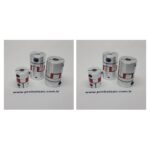
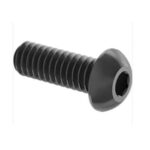
In industrial automation and general machinery, couplings are essential components that connect two rotating shafts, facilitating power transmission. The integrity of this connection relies heavily on the coupling being securely fastened to the shafts. This is typically achieved using one or more set screws integrated into the coupling body. These screws apply direct pressure to the shaft surface or work in conjunction with a key to prevent the coupling from slipping on the shaft, ensuring smooth torque transfer. However, over time, due to improper installation, excessive vibration, thermal expansion/contraction, or other factors, a coupling set screw can loosen. This compromises the connection between the coupling and the shaft, potentially leading to a complete failure of the power transmission, significantly impacting the machine’s operation.
Consequences of a Loose Coupling Set Screw
When a coupling set screw loosens, the connection between the coupling and the shaft weakens, leading to a cascade of detrimental effects:
- Vibration and Noise: Initial micro-slips between the coupling and shaft generate increased friction, heat, and wear. As the slippage worsens, the coupling can move erratically on the shaft, causing significant vibration and abnormal noises like rattling or grinding. This dynamic imbalance affects not only the coupling and shaft but also connected bearings, seals, motor windings, and the machine frame.
- Power Loss and Inefficiency: A loose connection means torque is not transmitted effectively. The driven component receives less power than supplied by the motor, leading to reduced performance and inability to meet production demands. This power loss directly impacts machine efficiency and output quality.
- Misalignment Issues: If the coupling slips axially on the shaft, it can cause misalignment between the connected components. This misalignment places undue stress on bearings, reducing their lifespan and potentially leading to premature failure. In precision applications, axial displacement can severely affect process accuracy.
- Bearing and Seal Damage: The increased vibration and potential misalignment resulting from a loose set screw put excessive radial and axial loads on bearings and seals. This drastically shortens their operational life and can lead to costly replacements and downtime.
- Overheating: Increased friction from micro-slips generates excess heat in the coupling and shaft area. This overheating can degrade lubricants, damage shaft seals, and even cause thermal expansion issues that further exacerbate the loosening problem.
- Catastrophic Mechanical Failure: In severe cases, the coupling can completely detach from the shaft, leading to a sudden and potentially dangerous mechanical failure. This can result in damage to surrounding equipment, safety hazards for personnel, and complete production line stoppage.
Technical Data and Impact Analysis
The impact of a loose set screw varies depending on the coupling type and application. Rigid couplings are more prone to sudden failure, while flexible couplings might initially absorb some shock but will eventually suffer damage.
| Parameter | Description/Value |
|---|---|
| Coupling Type Effect | Rigid couplings face a high risk of sudden failure; flexible couplings may initially dampen but will eventually sustain damage. |
| Loosening Mechanisms | Vibration, thermal expansion/contraction, insufficient torque, improper installation, corrosion, fatigue. |
| Short-Term Consequences | Abnormal noises (clicking, friction), increased vibration, slight power loss, micro-slips on shaft, rising temperature. |
| Long-Term Consequences | Shaft and keyway wear, bearing and seal failures, coupling cracking/deformation, motor/pump damage, energy inefficiency, production downtime. |
| Recommended Torque Check | Periodic checks with a calibrated torque wrench according to manufacturer specifications (e.g., every 3-6 months, or more frequently for critical applications). |
| Material Impact | The hardness of the coupling and shaft materials affects the wear rate and damage extent after loosening. Softer shafts wear faster. |
| Detection Methods | Visual inspection, vibration analysis, acoustic emission, thermal imaging, energy consumption monitoring. |
Preventive Maintenance and Best Practices
- Regular Inspections: During planned maintenance or machine downtime, visually inspect coupling set screws. Check for presence, signs of corrosion, or deformation. Gently test the torque with an appropriate tool to detect looseness, especially on machines with high vibration or continuous operation.
- Proper Installation and Torque: Always follow manufacturer guidelines for coupling installation. Use a calibrated torque wrench to apply the specified torque to set screws. Insufficient torque leads to loosening, while over-tightening can strip threads or damage the coupling. Ensure the shaft surface is clean and free of oil for optimal grip.
- Vibration Monitoring: Implement condition monitoring systems using vibration sensors. A sudden increase in vibration levels can indicate a loosening set screw, allowing for proactive intervention before major damage occurs.
- Listen for Anomalies: Pay attention to any unusual noises like clicking, grinding, or squealing during operation. These sounds can be early warnings of a slipping coupling. Similarly, watch for any unusual smells, such as burning, which might indicate overheating due to friction.
- Thermal Imaging: Use thermal cameras or infrared thermometers for routine scans of coupling areas. Elevated temperatures can pinpoint friction points caused by a loose set screw, enabling early detection and prevention of heat-related damage.
- Shaft Alignment Checks: After installation and during periodic maintenance, verify shaft alignment. A loose set screw can allow axial movement, disrupting alignment and stressing bearings. Laser alignment tools provide the most accurate results.
Maintaining the integrity of your industrial CNC router machine‘s power transmission system is paramount. Regular checks and adherence to best practices for components like coupling set screws will prevent costly downtime and ensure reliable operation of your CNC router machine.
For reliable couplings and other essential mechanical parts for your CNC machinery, explore Mermak CNC’s offerings.
Need expert advice or a custom solution for your CNC machine components? Request a quote on WhatsApp today!