
No products in the cart.
CNC Marble Processing Bit and Water Recirculation System Installation
Contents
Introduction and Technical Analysis
In today’s rapidly evolving manufacturing world, driven by industrial automation, precision and efficiency have become indispensable expectations across all sectors. Especially in shaping natural stones like marble processing, CNC (Computer Numerical Control) machines have replaced traditional methods, exceeding these expectations. CNC marble processing enables the mass production of aesthetic and functional products, and one of the most critical components in this process is the processing bit used and the water recirculation system that directly affects its performance. This guide aims to provide industrial automation professionals with an in-depth look into the installation, optimization, and maintenance of these two fundamental components, offering comprehensive solutions to challenges that may be encountered in field applications. Processing an abrasive and heat-sensitive material like marble necessitates specially designed diamond-tipped tools and an effective cooling and chip removal system that extends the life of these tools and enhances processing quality. In this context, the correct sizing of the water recirculation system, its filtration capacity, and fluid management directly impact not only tool life but also the smoothness of the processed surface and overall production efficiency. As an integrated part of industrial automation, the proper installation and continuous monitoring of these systems play a key role in increasing the competitiveness of businesses. This article will detail each component of these complex systems and provide practical, actionable information to field experts.
Operating Principle and Technical Data
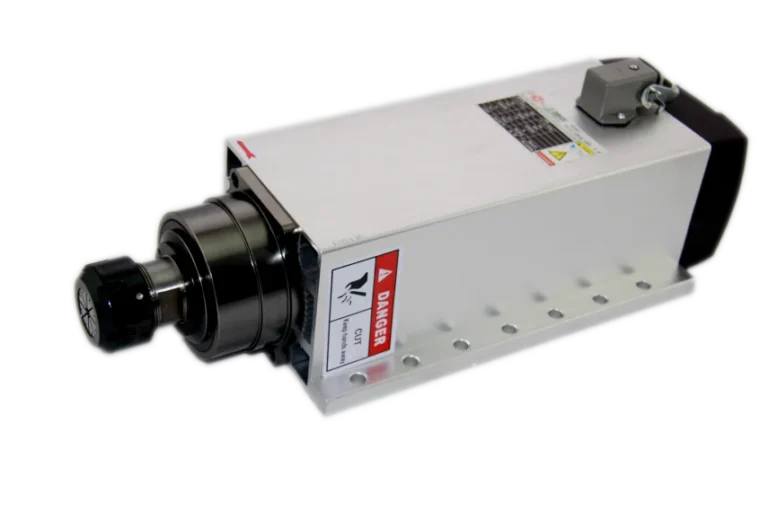
At the heart of the CNC marble processing process lies the high-speed rotating processing bit (tool) and the water recirculation system that optimizes its performance. The processing bit is typically made from special alloys, often diamond-coated or containing sintered diamond particles. For cutting, shaping, or engraving hard and abrasive materials like marble with high precision, the superior wear resistance and cutting ability of these bits are critically important. The geometry of the bit (diameter, cutting angle, number of flutes) must be carefully selected according to the details to be processed and the desired surface quality. For example, larger diameter and more aggressive angle bits are preferred for roughing, while smaller diameter and precise geometry bits are used for fine details and surface finishing. The bit, contacting the marble surface at high RPM (typically between 10,000-24,000 RPM) provided by the spindle, removes material at a micro-level to create the desired form. The friction generated during this process produces high temperatures in both the bit and the workpiece. This thermal load can lead to premature wear, breakage of the bit, and cracks or deformations on the processed surface. This is precisely where the water recirculation system comes into play.
The water recirculation system performs three primary functions: cooling, chip removal, and dust suppression. The system consists of a water tank, one or more industrial pumps, a filtration unit, pressurized nozzles, and hose connections. The pump draws water from the tank and sprays it at high pressure into the processing area, usually directly at the bit’s contact point. This water jet rapidly dissipates the heat generated by friction, preventing overheating of both the bit and the marble. Cooling significantly extends the life of the bit by preventing the binder matrix of the diamond particles from degrading under thermal stress. Simultaneously, it removes marble chips and dust generated during the cutting process from the processing area, preventing the bit from clogging and ensuring a cleaner cut surface. The removal of chips and dust from the environment is of great importance for both operator health and the protection of the machine’s mechanical components. Water returns to the tank from the processing area via collection channels or troughs. The water accumulated in the tank is passed through a filtration unit to remove chips and particles. Filtration is typically multi-stage, using sedimentation tanks or screens for coarse particles, and cartridge filters or bag filters for fine particles. Continuously keeping the water clean prevents nozzles from clogging and maintains cooling efficiency. System automation is achieved with water level sensors, temperature sensors, and flow sensors. Data from these sensors is monitored by a PLC (Programmable Logic Controller) to optimize parameters such as pump operating pressure, filter status, and water temperature. Via the HMI (Human Machine Interface), the operator can monitor the system’s real-time status and make necessary adjustments. The correct sizing of the system depends on factors such as the type of marble to be processed, the diameter of the processing bit, the cutting depth, and the overall capacity of the machine. Insufficient water flow or pressure leads to inadequate cooling and tool wear, while excessive flow can result in unnecessary energy consumption. Therefore, engineering calculations for the system must be performed considering the specific requirements of each application, and components should be selected accordingly.
| Parameter | Value/Description |
|---|---|
| Processing Bit Material | Sintered Diamond / Vacuum Brazed Diamond |
| Recommended Spindle Speed | 10,000 – 24,000 RPM (Depending on bit diameter and marble hardness) |
| Water Flow Rate (Minimum) | 10 – 30 Liters/Minute (Depending on bit diameter and cutting depth) |
| Pump Pressure | 2 – 5 Bar (Adjusted according to nozzle type and flow distance) |
| Filtration Precision | Minimum 20-50 microns (5-10 microns for fine processing) |
| Water Tank Capacity | 200 – 1000 Liters (Depending on processing volume and cooling needs) |
| Water Temperature Range | Ambient temperature +5°C to +35°C (Controlled cooling recommended) |
Field Considerations
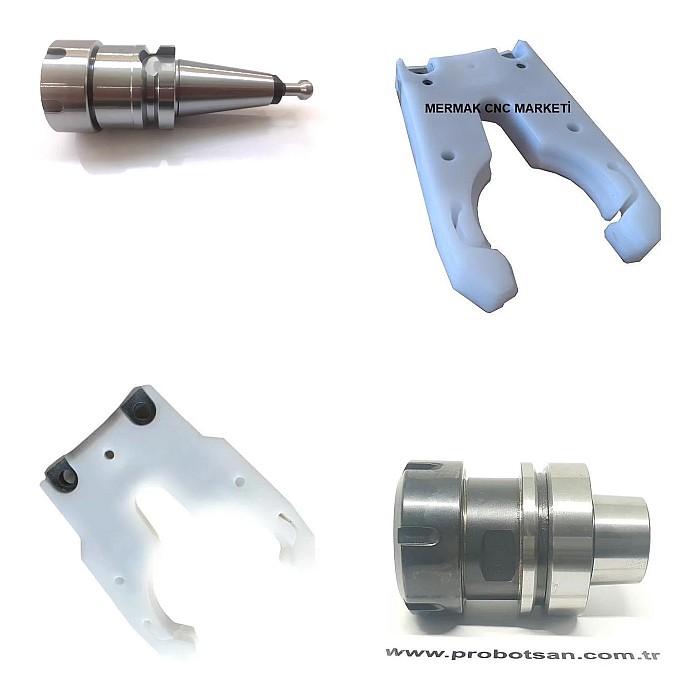
- Correct Bit Selection and Mounting: The appropriate diamond bit must be selected considering the type of marble to be processed (hardness, abrasiveness), desired surface quality, and processing depth. The bit must be mounted correctly and securely to the spindle, paying attention to balance. Incorrect mounting leads to vibration, reduced tool life, and surface defects. The cleanliness of the spindle taper and the tightening torque are important.
- Water Flow Rate and Pressure Adjustment: The flow rate and pressure of the water recirculation system’s pump should be optimized according to the diameter of the processing bit, cutting depth, and processing speed. Insufficient water flow causes overheating and tool wear, while excessive flow can lead to splashing and energy waste. Ensure that the nozzles are directed at the processing area at the correct angle and distance.
- Filtration System Maintenance: Water quality is vital for tool life and surface quality. Filters must be regularly checked, cleaned, or replaced. Clogged filters reduce water flow, create an additional load on the pump, and decrease cooling efficiency. The use of different filtration stages (coarse, fine) should be employed to increase system effectiveness.
- Water Quality Control: Over time, mineral buildup, pH changes, or biological contamination can occur in the recirculating water. These conditions can lead to blockages in pipelines and nozzles, reduced pump efficiency, and even staining on the marble surface. Regularly check the water’s pH value and hardness, and if necessary, use appropriate chemicals or water treatment systems.
- System Integration and Automation: Full integration of the water recirculation system with the CNC machine ensures optimal performance. Automation components such as water level sensors, temperature sensors, and flow sensors enable continuous monitoring of the system and automatic interventions when necessary. This allows for protective measures such as automatically stopping the machine or alerting the operator in case of malfunctions.
- Safety Precautions: When working with high-pressure water and rotating cutting tools, occupational safety is of paramount importance. Electrical installations must be protected against water (IP classification), and the functionality of residual current devices and emergency stop buttons should be regularly checked. Operators must use protective equipment (goggles, gloves), and machine safety barriers must be complete.
Common Problems and Solutions
1. Premature Wear or Breakage of the Processing Bit:
- Problem: Shorter than expected bit life, rapid wear on cutting edges, bit breakage.
- Solution:
- Insufficient Cooling: Check water flow rate and pressure. Ensure nozzles are directed correctly at the processing area. Check filters; clean or replace if clogged. Check pump performance.
- Incorrect Cutting Parameters: Optimize processing speed (feed rate and RPM), cutting depth, and number of passes according to marble hardness and bit characteristics. Too high a feed rate or too deep a pass can overload the bit.
- Incorrect Bit Selection: Ensure the correct bit is used for the type of marble being processed and the desired processing type (roughing, finishing, engraving).
- Vibration: Check spindle bearings, bit mounting, and machine rigidity. Bit imbalance or loose mounting can cause vibration.
2. Poor Surface Quality (Rough Surface, Cracks, Chip Marks):
- Problem: Roughness, unwanted marks, micro-cracks, or edge chipping on the processed surface.
- Solution:
- Worn Bit: Check the bit and replace if worn. A dull bit reduces surface quality.
- Insufficient Cooling/Chip Removal: Increase water flow and pressure. Ensure chips are effectively removed from the processing area.
- Incorrect Cutting Parameters: Reduce feed rate and optimize RPM, especially for finishing passes. Reduce pass depth.
- Machine Vibration: Check machine rigidity, spindle bearings, and bit mounting.
- Water Quality: Ensure that particles or minerals in the water do not leave marks on the surface. Check the filtration system.
3. Leaks or Low Pressure in the Water Recirculation System:
- Problem: Leaks from hose connections, drop in pump pressure, weak water flow from nozzles.
- Solution:
- Hose and Connection Check: Check all hoses, clamps, and fittings for leaks. Repair/replace loose or damaged parts.
- Pump Check: Check for blockages on the suction side of the pump. Ensure the pump motor is operating correctly and drawing sufficient power. Check pump seals and impeller.
- Filter Clogging: Clogged filters can create excessive load on the pump, reducing pressure. Clean or replace filters.
- Nozzle Clogging: Check if nozzles are clogged due to limescale or chip buildup. Clean or replace nozzles if necessary.
4. Water Quality Issues (Limescale, Odor, Algae Formation):
- Problem: Limescale buildup in pipes and nozzles, unpleasant odor in the tank, or algae formation.
- Solution:
- Limescale: Check water hardness. If necessary, use a water treatment system (e.g., softener) or periodically clean the system with appropriate descaling chemicals.
- Odor and Algae: Regularly clean and disinfect the water tank. Use appropriate industrial coolants or biocides (as per manufacturer recommendations) to prevent biological growth. Prevent the tank from being exposed to direct sunlight.
- pH Imbalance: Regularly measure the water’s pH level and use pH-balancing chemicals if necessary.
Expert Advice
In CNC marble processing, the integrated and optimized operation of the tool and water recirculation system is a vital factor that directly affects not only production efficiency but also product quality and operating costs. The details covered in this field guide provide industrial automation professionals with a comprehensive roadmap for challenges they may encounter, from the installation of these complex systems to their daily operations. It should be remembered that the foundation of a successful marble processing operation lies in the harmonious management of many parameters, from correct bit selection and mounting to precise adjustment of water flow and pressure, regular maintenance of the filtration system, and water quality control. Continuous monitoring of these parameters through automation systems and real-time feedback via HMI provides a critical advantage for early detection of potential problems and implementation of preventive maintenance. In future manufacturing environments, the integration of Smart Manufacturing and Internet of Things (IoT) technologies into these systems will enhance predictive maintenance capabilities and allow the system to self-optimize. This will enable more accurate prediction of tool life, automatic determination of filter replacement times, and minimization of energy consumption through the analysis of sensor data on cloud-based platforms. As expert advice; businesses should view their investment in these systems not merely as a cost item, but as a strategic gain in terms of long-term efficiency, quality, and sustainability. Continuous training, technical knowledge sharing, and systematic documentation of field experiences are key to fully realizing the potential of these systems. With correct installation, regular maintenance, and adaptation to technological innovations, CNC marble processing operations can achieve the highest standards offered by industrial automation and attain sustainable success in a competitive market.
FAQ
What are the main functions of a water recirculation system in CNC marble processing?
The primary functions of a water recirculation system in CNC marble processing are cooling the processing bit and workpiece, efficiently removing marble chips and dust from the cutting area, and suppressing airborne dust for a cleaner and safer working environment.
How can I ensure optimal performance and longevity of my CNC marble processing bit?
To ensure optimal performance and longevity of your CNC marble processing bit, it is crucial to select the correct bit material (e.g., sintered or vacuum brazed diamond), ensure proper mounting and balance, and optimize cutting parameters such as spindle speed, feed rate, and cutting depth according to the marble's hardness and desired finish.
What are the common problems encountered in CNC marble processing and their solutions?
Common issues include premature bit wear, poor surface quality, leaks or low pressure in the water system, and water quality problems like limescale or algae. Solutions involve checking cooling parameters, optimizing cutting speeds, maintaining filtration, inspecting hoses and pumps, and managing water chemistry.
What maintenance is required for the water recirculation system?
Regular maintenance of the water recirculation system includes checking and replacing filters, monitoring water flow and pressure, cleaning nozzles, and controlling water quality (pH, hardness, biological growth). These steps prevent clogs, maintain cooling efficiency, and extend tool life.
What are the recommended water flow rate and pressure for CNC marble processing?
The ideal water flow rate and pressure depend on the bit diameter, cutting depth, and processing speed. Typically, a minimum flow rate of 10-30 liters/minute and pump pressure of 2-5 bar are recommended, adjusted to ensure effective cooling and chip removal without excessive splashing.

