












































































Automatic Tool Changer (ATC) Systems: Operational Principles and Field Guide
📑 Table of contents (Click to open)
FAQ
What is an Automatic Tool Changer (ATC) system and how does it work?
An Automatic Tool Changer (ATC) system is a mechanism in CNC machines that automatically selects and changes cutting tools from a tool magazine into the spindle motor, enabling continuous and multi-operation machining without manual intervention. This significantly boosts productivity and precision.
What are the main components of an ATC system?
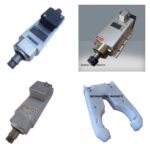
Key components include the tool magazine (drum, chain, or disc type), the tool change arm (single or dual-arm), the spindle motor interface (e.g., BT, CAT, HSK, SK tapers), and the CNC control system. Sensors and servo drives ensure precise and synchronized movements.
What are the primary benefits of using an ATC system in industrial CNC operations?
ATC systems dramatically reduce tool change times, minimize human error, increase machining accuracy, and allow for lights-out manufacturing. This leads to higher production efficiency, lower labor costs, and improved product quality.
What are the most common problems encountered with ATC systems?
Common issues include tool drops, mispositioned tool change arms, magazine indexing errors, and prolonged tool change times. These are often caused by wear, contamination, sensor malfunctions, or incorrect programming.
How can I ensure the optimal performance and longevity of my ATC system?
Regular lubrication of moving parts, thorough cleaning of tool holders and spindle tapers, calibration of all sensors, monitoring hydraulic/pneumatic pressures, and adhering to tool weight/size limits are crucial for optimal performance and longevity.