No products in the cart.
CNC Control Panel Preparation: Cable Management and Cooling Channels

Introduction and Technical Analysis
At the heart of industrial automation systems, CNC control panels are indispensable components of modern manufacturing facilities. The design and manufacturing of these panels must consider not only aesthetic concerns but also critical factors such as system performance, reliability, service life, and occupational safety. Specifically, cable management and cooling channels are two fundamental engineering disciplines that directly impact the long-term success of a CNC control panel. This guide provides an in-depth analysis of these two topics for engineers, technicians, and system integrators in the industrial automation sector. The aim is not only to convey theoretical knowledge but also to create a comprehensive resource equipped with practical advice distilled from real-world field experience. Improperly designed cable management can lead to electromagnetic compatibility (EMC) issues, signal integrity losses, and even hardware failures, while inadequate cooling can shorten the life of electronic components, causing unexpected downtime and significant production losses. Therefore, attention to these two areas forms the foundation of operational efficiency and system safety. As panel complexity increases, especially in environments where power electronics and sensitive control signals coexist, every detail must be meticulously addressed. This article will delve into the fundamental principles, best practices, and technical details necessary to overcome these challenges. Modern CNC systems, which include high-speed processors, precise sensors, and powerful drives, are highly susceptible to electromagnetic interference and tend to experience performance degradation under thermal stress. Therefore, an optimal panel design requires a holistic approach, both electrically and thermally. This guide aims to provide guidance to all relevant stakeholders in achieving excellence in these critical areas of their projects.
Operating Principle and Technical Data
The quality of a CNC control panel depends on its ability to create an environment that allows the components within it to operate correctly and complete their service life. Cable management and thermal management play a key role in creating this environment. Cable management ensures that power, control, and data signals are transmitted safely and orderly within the physical structure of the panel, without interfering with each other. Proper cable management is essential for noise immunity, signal integrity, and easy maintenance. Since power cables carry high currents, they can create strong magnetic fields around them. These fields can cause induced noise on cables carrying sensitive control and data signals. Therefore, physically separating different types of cables (e.g., using separate cable trays or leaving a specific distance) is critically important. Industrial standards and EMC guidelines specify minimum separation distances between power cables and signal cables; these distances are generally recommended to be 100 mm and above. Additionally, routing cables according to correct bending radii prevents damage to cable insulation and ensures long-term reliability. Over-bent cables can lead to damage in internal conductors, causing increased resistance and even breaks. Cable labeling is indispensable for panel commissioning, troubleshooting, and future modifications. Labels clearly indicating the start and end points, function, and connection number of each cable save time and cost. Labels should be made of materials resistant to moisture, oil, and temperature changes, and should be easily readable. Grounding and shielding principles form the basis of EMC performance. Especially in panels containing high-frequency noise sources such as frequency converters (VFDs), servo drives, and switched-mode power supplies, proper grounding of shielded cables is vital to minimize radiated noise. The shields of shielded cables should be connected to the grounding bar using special shield clamps, via the shortest possible path and over a wide surface area. This ensures that high-frequency currents flow to the ground via a low-impedance path, preventing interference from leaking into control signals.
Cooling channels and general thermal management aim to maintain optimal operating conditions by preventing overheating of components inside the panel. The lifespan of electronic components is generally inversely proportional to their operating temperatures; every 10°C increase in temperature can approximately halve the life of a component. This is especially true for power electronics components. The main heat sources in CNC control panels are servo drives, frequency converters, PLCs, power supplies, and sometimes control transformers. Although modern drives and controllers offer high efficiency, they continue to dissipate significant amounts of heat, and this heat must be effectively dissipated. Various cooling methods are used to effectively remove the heat generated by these components. Natural convection is the simplest cooling method and may be sufficient for panels with low power density. However, in modern CNC control panels, fans and filters providing forced air circulation are commonly used. Fans create airflow by drawing clean air into the panel or expelling hot air. The direction of airflow and the placement of fans must be carefully planned to effectively cool all heat sources inside. Typically, cold air is drawn from the bottom of the panel, and hot air is expelled from the top. This aligns with the direction of natural convection and 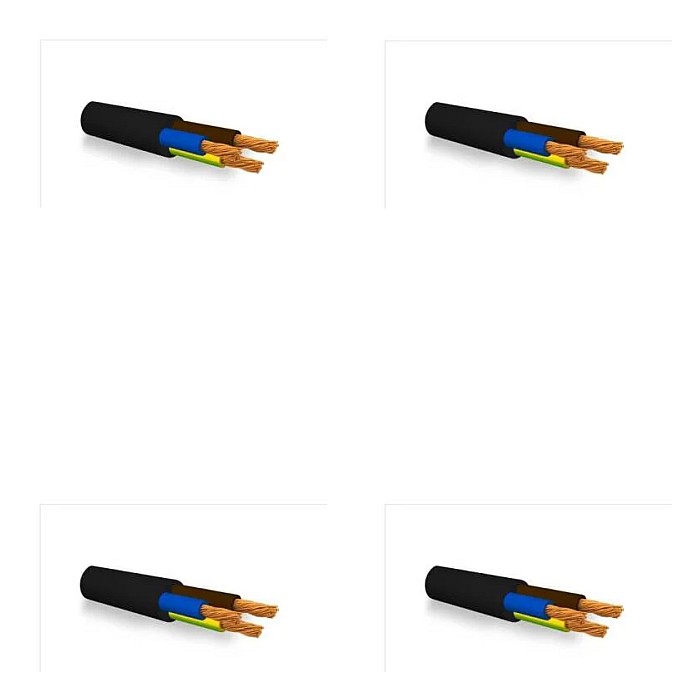
FAQ
What are the key principles of effective cable management in a CNC control panel?
Effective cable management in a CNC control panel involves physically separating power cables from control and data cables, using proper bending radii, clear labeling, and correct grounding and shielding techniques to prevent electromagnetic interference and ensure signal integrity.
How does insufficient cooling affect the performance and lifespan of a CNC control panel?
Inadequate cooling can significantly shorten the lifespan of electronic components, lead to performance degradation, and cause unexpected downtime due to overheating. This directly impacts operational efficiency and production output.
What are the primary heat-generating components within a CNC control panel?
Common heat sources include servo drives, frequency converters (VFDs), PLCs, and power supplies. These components generate significant heat that must be managed to maintain optimal operating temperatures.
What cooling methods are typically employed in industrial CNC control panels?
Cooling methods range from natural convection for low-power panels to forced air circulation using fans and filters for modern, high-density panels. Air conditioners or heat exchangers may also be used in environments with high ambient temperatures or strict temperature control requirements.
What is the recommended separation distance between power and signal cables for EMC in a CNC panel?
EMC guidelines recommend a minimum separation distance of 100 mm or more between power cables and sensitive signal cables to prevent induced noise and maintain signal integrity.