




































































Choosing the Right CNC Router Bit for Aluminum Machining

📑 Table of contents (Click to open)
Selecting the correct CNC router bit is crucial for efficient aluminum machining. This guide covers key features like 2-3 flutes, high helix angles, polished carbide, and advanced coatings (DLC, ZrN) to prevent chip welding and ensure superior surface finish. Optimize your CNC router performance for aluminum.
Practical notes for CNC router, automation and industrial motion systems.
Understanding Aluminum Machining Challenges
Aluminum is a popular material in industries like aerospace, automotive, and general manufacturing due to its lightweight and excellent machinability. However, its softness and tendency to ‘gum up’ or stick to cutting tools present unique challenges for CNC machining. Using the wrong type of CNC router bit can lead to inefficient material removal, poor surface finish, tool breakage, and reduced productivity. Therefore, selecting the appropriate cutting tool geometry, material, and coatings is fundamental for successful aluminum processing. Optimized tools ensure efficient chip evacuation, minimize heat buildup, and maximize tool life, leading to higher quality parts and faster production cycles.
Key Features of CNC Router Bits for Aluminum
To effectively machine aluminum, CNC router bits must be designed to overcome its specific properties. The following features are critical for optimal performance:
1. Flute Count
For soft and gummy materials like aluminum, 2 or 3-flute end mills are generally recommended. A lower flute count provides wider chip gullets (the space between flutes). This increased space is essential for effective chip evacuation, preventing chip packing and clogging, which can lead to tool breakage and poor surface finish. While 4-flute bits are suitable for harder materials like steel, they can cause issues with aluminum. Two-flute bits are excellent for high material removal rates and deep slotting, while three-flute bits offer a good balance between material removal and surface finish.
2. Helix Angle
A high helix angle, typically 40-45 degrees or more, is highly beneficial for machining aluminum. This steep angle allows the cutting edge to engage the material more smoothly, facilitating efficient chip evacuation upwards and away from the workpiece. Benefits include reduced cutting forces, less vibration, improved surface finish, and extended tool life. Lower helix angles can cause chips to recede back into the cut, leading to packing and potential tool failure.
3. Tool Material
Solid carbide end mills are the preferred choice for aluminum machining due to their superior hardness, wear resistance, and ability to maintain cutting edge integrity at higher speeds. While High-Speed Steel (HSS) bits are a more economical option, they cannot match the performance, precision, and tool life offered by carbide, especially in high-volume production environments or when tight tolerances are required.
4. Coatings
Coatings enhance the surface properties of the cutting tool, reducing friction, improving heat resistance, and preventing material buildup. For aluminum, the most effective coatings include:
- DLC (Diamond-Like Carbon): Offers extremely low friction, significantly reducing material adhesion and providing an exceptional surface finish. It’s ideal for high-precision applications and achieving mirror-like finishes.
- ZrN (Zirconium Nitride): Provides good hardness, wear resistance, and excellent anti-stick properties. While not as low-friction as DLC, it’s a highly effective coating for aluminum.
- Polished (Uncoated): In some cases, specially polished, uncoated solid carbide bits can perform exceptionally well. The polished flutes improve chip flow and minimize material buildup.
Coatings like TiN or TiAlN are generally better suited for ferrous materials and can sometimes adhere to aluminum.
5. Cutting Edge Geometry and Surface Finish
CNC router bits designed for aluminum typically feature sharp, polished cutting edges. Sharp edges require less force to cut, resulting in less material deformation and a cleaner cut. Polished flutes further enhance chip evacuation and prevent the formation of Built-Up Edge (BUE), a common issue with soft metals like aluminum.
Optimizing Cutting Parameters
Beyond the tool itself, correct cutting parameters are vital:
- Spindle Speed (RPM): Aluminum is often machined at high spindle speeds to achieve efficient material removal and a good surface finish.
- Feed Rate: This determines the chip load. An appropriate chip load ensures the tool cuts effectively without rubbing or excessive wear. Too low a feed rate can lead to rubbing and premature tool wear, while too high a feed rate can cause tool breakage.
- Depth of Cut (Ap) and Width of Cut (Ae): For aluminum, it’s often beneficial to use a smaller radial width of cut (Ae) with higher speeds and feed rates, rather than a full-width cut.
The Importance of Coolant
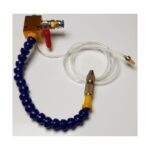
Using a coolant is essential when machining aluminum. Coolant not only dissipates heat, preventing tool and workpiece overheating, but also lubricates the cutting zone and aids in flushing chips away from the cutting edge. Emulsion or synthetic coolants are commonly used. High-pressure coolant systems or mist cooling can significantly improve chip evacuation and surface finish.
Key Considerations for Aluminum CNC Router Bits
| Feature | Recommendation for Aluminum |
|---|---|
| Tool Material | Solid Carbide |
| Flute Count | 2 or 3 Flutes |
| Helix Angle | 40-45 degrees or higher |
| Coating | DLC, ZrN, or Polished |
| Cutting Edge | Sharp and Polished |
| Coolant | Required (Emulsion, Synthetic, Mist) |
By carefully selecting the right CNC router bit and optimizing your machining parameters, you can achieve excellent results when working with aluminum. For advanced CNC router machines and expert advice tailored to your specific industrial needs, consider exploring Mermak CNC’s solutions.
Ready to optimize your aluminum machining processes? Request a quote on WhatsApp today!
Related product categories: Uncategorized
