





































































Choosing the Right CNC Control Board: Key Considerations for Industrial Applications

📑 Table of contents (Click to open)
- Understanding the Core of Your CNC Machine: The Control Board
- How CNC Control Boards Work
- Axis Count and Interpolation Capabilities
- Motor Driver Compatibility
- Connectivity Interfaces
- Input/Output (I/O) Port Capacity
- Spindle Control Options
- CNC Software Compatibility
- Speed and Precision Requirements
- Reliability and EMI Protection
- Practical Considerations for Industrial Use
- Conclusion
Practical notes for CNC router, automation and industrial motion systems.
Understanding the Core of Your CNC Machine: The Control Board
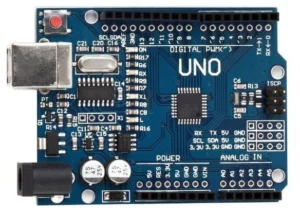
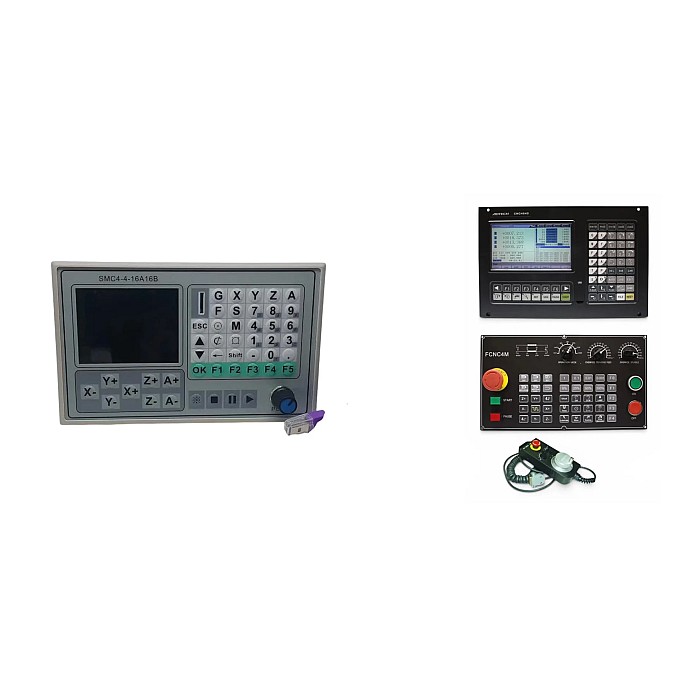
CNC (Computer Numerical Control) machines are indispensable in modern manufacturing, and at their heart lies the CNC control board. This electronic component acts as the “brain” of the machine, translating G-code instructions from a computer into electrical signals that drive motors, the spindle, and other peripherals. Selecting the correct control board is paramount for ensuring your CNC router machine operates with optimal performance, precision, reliability, and ease of use. An ill-suited board can lead to poor machining quality, frequent breakdowns, compatibility issues, and project failure. Therefore, choosing a CNC control board is a strategic investment in your manufacturing capabilities.
How CNC Control Boards Work
A CNC control board receives digital commands from a computer and converts them into step and direction signals for stepper or servo motor drivers. It also processes feedback from sensors like limit switches and emergency stop buttons, ensuring safe and accurate operation. Additionally, it manages peripheral functions such as spindle speed control, coolant activation, and tool changes. These boards typically feature a microcontroller or FPGA, enabling high-speed processing and operational flexibility.
Axis Count and Interpolation Capabilities
The number of axes your CNC machine requires dictates the axis support needed from the control board. While most common CNC machines are 3-axis (X, Y, Z), complex parts may necessitate 4, 5, or more axes. Multi-axis boards offer simultaneous interpolation, enabling the machining of intricate geometries. The board’s interpolation capabilities (linear, circular, helical) directly impact the quality of the finished surface.
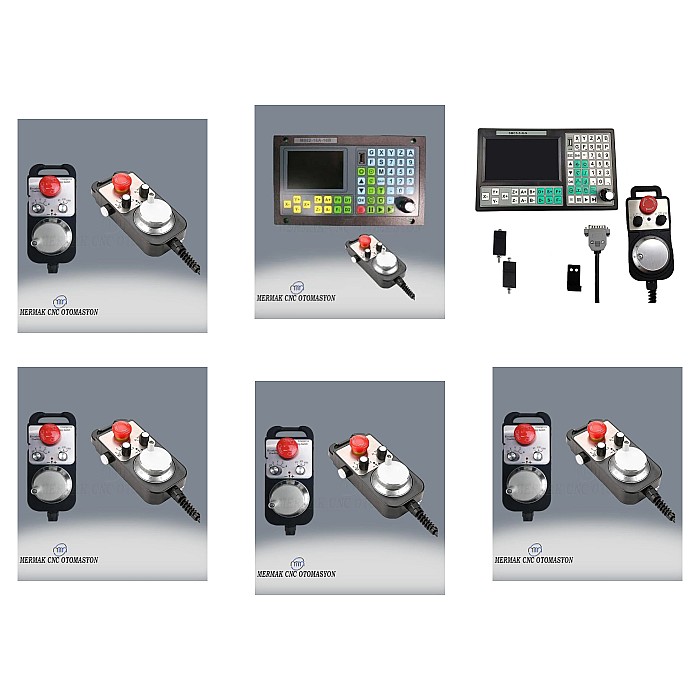
Motor Driver Compatibility
CNC machines commonly use stepper motors or servo motors. Stepper motors are cost-effective for simpler applications, while servo motors provide higher speed, precision, and feedback control (closed-loop). Ensure the control board supports the signal requirements of your chosen motor drivers, typically Step/Dir signals, and provides necessary outputs like PWM or analog voltage.
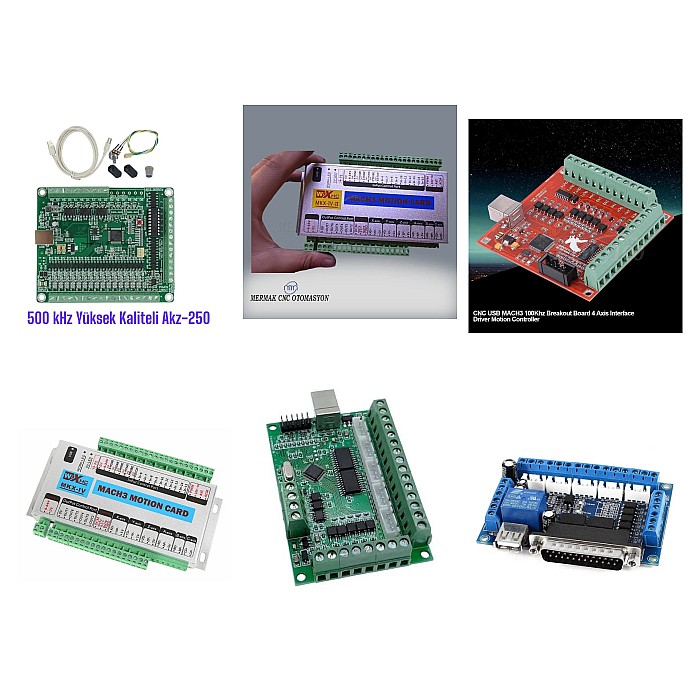
Connectivity Interfaces
Communication between the computer and the control board is usually via USB or Ethernet. USB is simple and common but can be susceptible to electrical noise and limited by cable length. Ethernet offers superior stability, speed, and noise resistance, making it ideal for industrial environments and remote control. Older systems might utilize PCI/PCIe interfaces.
Input/Output (I/O) Port Capacity
The Input/Output (I/O) ports on the control board are crucial for interfacing with limit switches, E-stop buttons, tool sensors, and controlling peripherals like the spindle, coolant pumps, and automatic tool changers. Sufficient and appropriately configured I/O ports are essential for machine functionality and future expandability. Opt for boards with isolated I/O to minimize electrical noise interference.

Spindle Control Options
The control board manages spindle speed and direction, typically through PWM signals, 0-10V analog voltage, or digital protocols like RS485 (Modbus). Ensure the board’s control method is compatible with your spindle drive.
CNC Software Compatibility
Crucially, verify which CNC control software (e.g., Mach3, Mach4, UCCNC, LinuxCNC, GRBL, PlanetCNC) the board supports. Software choice impacts usability, features, support, and cost. Open-source options offer flexibility, while commercial software often provides advanced features and professional support.
Speed and Precision Requirements
The maximum pulse frequency the control board can generate directly influences your machine’s maximum speed and accuracy. Higher frequencies enable faster, smoother movements, leading to better surface finishes. Micro-stepping support further enhances precision.
Reliability and EMI Protection
Industrial environments can be electrically noisy. A quality control board should incorporate isolation and protection against electrical interference (EMI). Robust construction, high-quality components, and well-designed PCBs ensure longevity and stable performance.
| Parameter | Details |
|---|---|
| Axis Count | Support for 3, 4, 5, or more axes, depending on project requirements. |
| Motor Type Support | Compatibility with stepper (open-loop) and servo (closed-loop) motor drivers (Step/Dir, Analog, PWM). |
| Connectivity | USB (simple), Ethernet (stable, industrial), PCI/PCIe (legacy). |
| Max Pulse Frequency | Typically 100 kHz – 2 MHz; critical for machine speed and precision. |
| I/O Ports | Digital inputs (limit switches, E-stop) and outputs (spindle, coolant). Count and isolation are important. |
| Spindle Control | PWM, 0-10V analog, RS485 (Modbus) compatibility. |
| Software Compatibility | Support for Mach3/Mach4, UCCNC, LinuxCNC, GRBL, PlanetCNC, etc. |
| Power Supply | Typically 5V or 12-24V DC, must match machine’s power system. |
| Operating Temperature | Wide range suitable for industrial environments (e.g., -10°C to +60°C). |
Practical Considerations for Industrial Use
- Integration with Existing Hardware: Ensure the new control board is fully compatible with your machine’s current motors, drivers, power supplies, and sensors. Pay attention to driver signal types (common anode/cathode) and voltage levels.
- Technical Support and Documentation: Reliable technical support and comprehensive documentation are crucial for troubleshooting and setup. Choose manufacturers with a proven track record and accessible support channels.
- Firmware Updates and Customization: The ability to update firmware and potentially customize board behavior can be beneficial for optimizing performance or adapting to specific needs.
- Cost vs. Performance: Balance your budget with the required performance and reliability. The cheapest option may not be the most cost-effective in the long run due to potential downtime and maintenance costs.
Conclusion
Selecting the right CNC control board is a critical decision that impacts the efficiency, precision, and longevity of your industrial CNC router machine. By carefully evaluating factors such as axis count, motor compatibility, connectivity, I/O capacity, software support, and overall reliability, you can make an informed choice that aligns with your specific manufacturing needs. Investing in a high-quality, compatible control board is key to unlocking the full potential of your CNC operations.
Ready to optimize your CNC machine’s performance? Request a quote on WhatsApp for expert advice and solutions.
Internal Links: