





































































The Critical Role of CNC Control Panel Fans and Ventilation
📑 Table of contents (Click to open)
Proper ventilation in CNC control panels is vital for the stable operation and longevity of electronic components like PLCs and servo drives. Learn why maintaining optimal temperatures prevents overheating and minimizes failure risks.
Practical notes for CNC router, automation and industrial motion systems.
Understanding the Importance of CNC Control Panel Fans and Ventilation
In the realm of industrial automation, particularly with high-performance systems like CNC machines, the electronic components housed within control panels generate significant heat. These components, including Programmable Logic Controllers (PLCs), servo drives, Variable Frequency Drives (VFDs), power supplies, and communication modules, are designed to operate within specific temperature ranges. Exceeding these limits can lead to reduced performance, shortened lifespans, and critical system failures. This is where CNC control panel fans and ventilation systems become indispensable. Their primary function is to manage the thermal environment within the panel, preventing overheating by expelling hot air or introducing filtered cool air, thereby maintaining optimal operating temperatures. Effective ventilation not only prevents malfunctions but also directly enhances the overall efficiency, reliability, and production continuity of the machinery. Consequently, proper ventilation is a non-negotiable aspect of modern industrial facilities.
Operating Principles and Technical Specifications
Ventilation systems in CNC control panels typically operate on the principle of forced convection. These systems actively exhaust hot air from the panel while drawing in cooler, filtered air from the outside, creating a continuous airflow. This process helps to equalize temperature distribution within the panel and prevent the formation of hot spots. The operational principles generally involve one or a combination of the following methods:
- Positive Pressure Ventilation: Filtered air is supplied into the panel from the outside, creating positive pressure. This helps to prevent dust and contaminants from entering. Hot air is then expelled naturally or via an auxiliary exhaust fan.
- Negative Pressure Ventilation: Hot air is drawn out of the panel, creating negative pressure. Cooler air then enters the panel through filters. This method focuses on efficiently removing hot air.
- Closed-Loop Cooling (Heat Exchangers / Air Conditioners): Used when the ambient air is dirty or excessively hot. The internal and external airflows remain separate. Heat exchangers transfer heat from inside the panel to the cooler outside air. Air conditioning units actively cool the internal environment. These solutions are preferred for applications requiring high IP protection ratings and operating in harsh industrial conditions.
- Vortex Coolers: These compact units use compressed air to generate cold air for localized cooling in smaller volume applications.
Selecting the correct ventilation system requires a precise calculation of the panel’s heat load. The total heat generated by all electronic components (in Watts) must be summed to determine this load. Based on this, the required airflow rate (CFM or m³/h) and static pressure are calculated. Environmental factors such as ambient temperature, humidity, and the concentration of dust and contaminants must also be considered. The IP protection rating of the chosen fan or cooling unit must be compatible with the operating environment’s conditions.
| Parameter | Value/Description |
|---|---|
| Airflow Rate | Measured in CFM (Cubic Feet per Minute) or m³/h (Cubic Meters per Hour), determining cooling capacity. |
| Static Pressure | Measured in mmH₂O or Pa, indicating the fan’s ability to overcome resistance from filters and ducts. |
| Noise Level | Measured in dB(A), the sound level during operation. Important for operator comfort. |
| IP Rating | Protection level against solids and liquids according to IEC 60529 (e.g., IP54, IP55, IP65). |
| Filter Class | Particle retention capacity according to standards like G2, G3, G4. Critical for dusty environments. |
| MTBF (Mean Time Between Failures) | Expected operational lifespan in hours. Higher MTBF signifies longer, more reliable service. |
| Power Consumption | Measured in Watts, the energy consumed by the fan. Energy efficiency is a key selection criterion. |
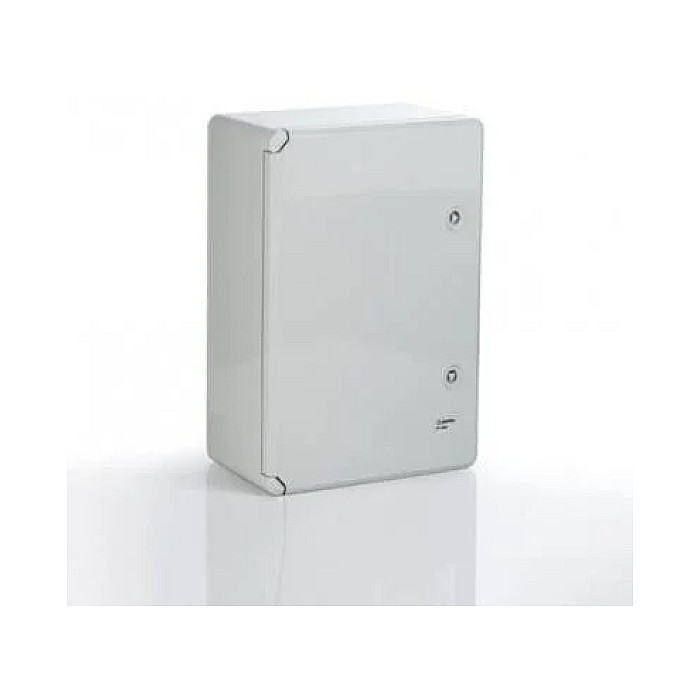
Key Considerations for Field Implementation
- Correct Sizing and Selection:
Choosing the right ventilation solution is paramount for effective temperature control within the CNC control panel. This begins with accurately calculating the total heat load (in Watts) generated by all internal electronic components, such as PLCs and drives. Subsequently, the required airflow rate (CFM or m³/h) is determined, considering the panel’s volume, ambient temperature, and the desired internal target temperature. An undersized system will lead to overheating, while an oversized one results in unnecessary energy consumption and costs. The IP protection rating and filter grade must also be selected based on the environment’s conditions, such as dust, humidity, or chemical vapors. For instance, a machining environment might necessitate an IP55 or higher rating with high-efficiency filters.
- Filtration and Maintenance:
Industrial environments are often laden with dust, particles, and oil mist. Accumulation of these contaminants on electronic components can impede heat dissipation, causing overheating and short circuits. Therefore, appropriate filters must be installed at the air intake points of fans. Filters inevitably clog over time, restricting airflow and reducing cooling efficiency, while increasing the fan’s energy consumption. Regular inspection, cleaning, or replacement of filters (based on manufacturer recommendations or environmental conditions, e.g., weekly/monthly) is crucial. A clogged filter can shorten the fan’s lifespan and lead to system failures.
- Mounting and Airflow Optimization:
The proper placement of fans and ventilation grilles within the panel is essential for creating effective airflow. Typically, cool air should enter from the lower section of the panel, and hot air should exit from the upper section. This utilizes the natural tendency of hot air to rise (chimney effect) for more efficient cooling. Ensure that cable bundles or equipment do not obstruct airflow. Avoid “short-circuiting” the airflow by mounting fans too close together, where hot exhaust air is immediately drawn back in. Internal air baffles can be used to direct airflow over all heat-generating components.
- IP Protection Rating Compliance:
The IP (Ingress Protection) rating of the panel fan or cooling unit must be consistent with the overall IP rating of the enclosure. Using an IP54 fan in an IP65 panel, for example, compromises the panel’s overall protection, allowing water or dust ingress. The minimum required IP rating for the operating environment should be identified, and all components must meet this standard, especially in areas with water jets, heavy dust, or chemical vapors.
- Energy Efficiency:
Continuous operation of cooling systems contributes significantly to the overall energy consumption of a CNC machine. Selecting energy-efficient fans and optimizing ventilation strategies can lead to substantial cost savings over time. Modern fans often feature variable speed drives (VSDs) or high-efficiency motor designs that reduce power consumption without compromising cooling performance. Regularly assessing and maintaining the ventilation system ensures it operates at peak efficiency.
By carefully considering these factors, you can ensure that your CNC control panels remain cool, your electronic components operate reliably, and your production processes continue without interruption. Investing in a robust ventilation system is a proactive measure that safeguards your valuable industrial equipment.
For expert advice on selecting the right ventilation solutions for your industrial CNC router machines and control panels, contact us today. We can help you optimize your system’s thermal management for peak performance and longevity.
Ready to ensure your CNC machinery runs at optimal temperatures? Request a quote on WhatsApp now!
Related product categories: Комплекты 4-осевых систем · 12 мм линейные направляющие, подшипники и опоры · Комплекты крепления двигателей