





































































What Happens If Linear Guides Are Not Lubricated?
📑 Table of contents (Click to open)
Proper lubrication is essential for the performance and longevity of linear guides. Neglecting it leads to increased friction, wear, heat generation, energy loss, and premature failure, significantly impacting the precision and reliability of your CNC machinery.
Practical notes for CNC router, automation and industrial motion systems.
Understanding the Critical Role of Lubrication in Linear Guides
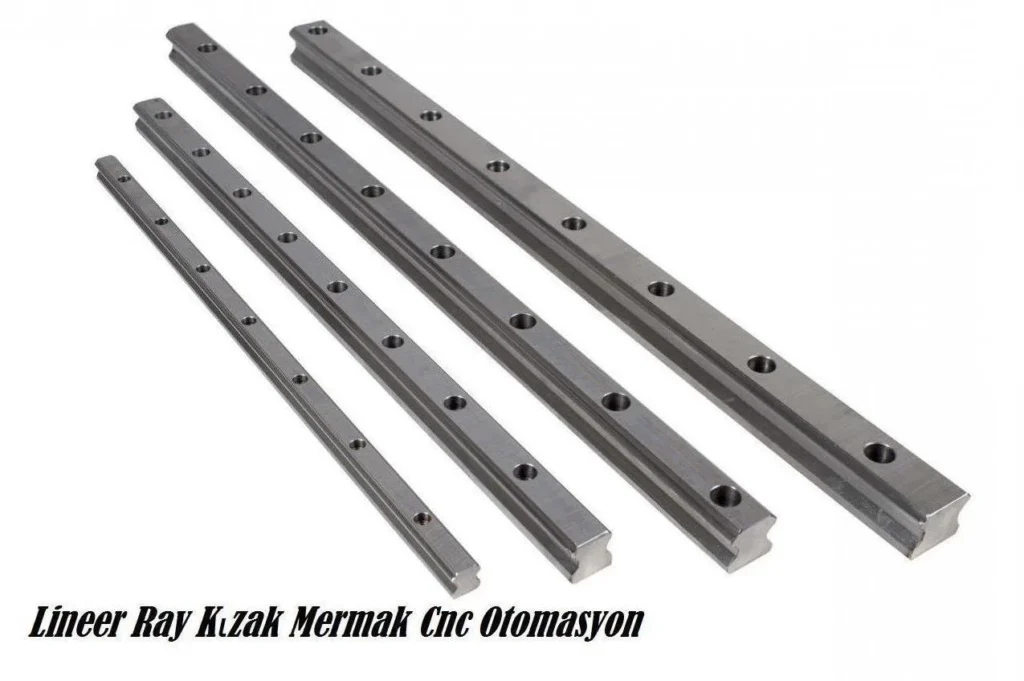
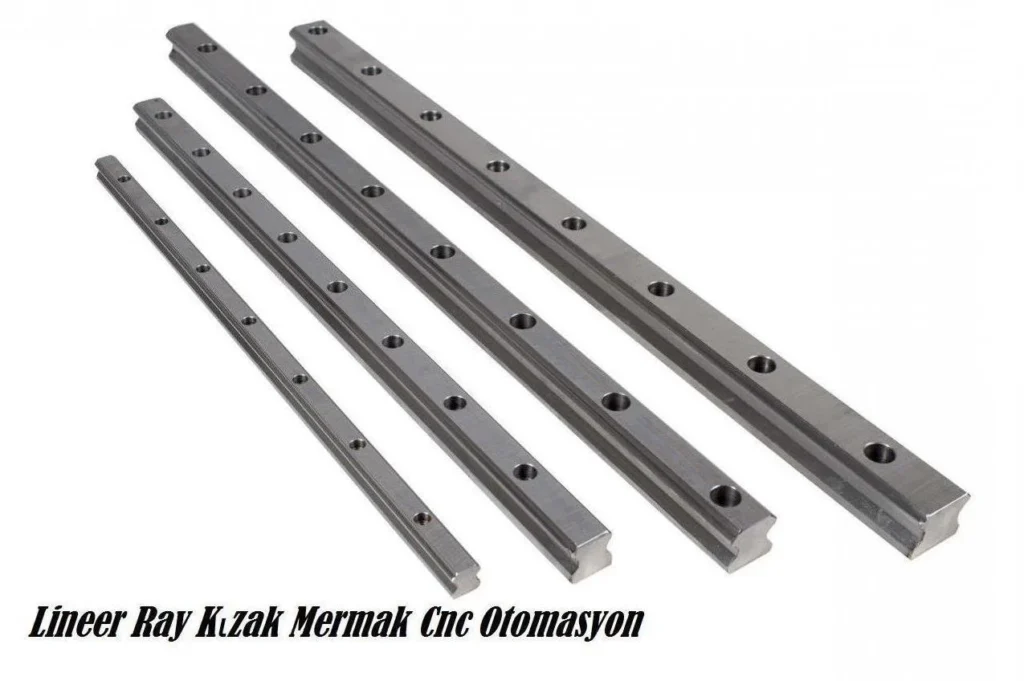
Linear guides, also known as linear rails, are fundamental components in industrial automation systems, designed to carry loads with high precision and repeatability. Their smooth and efficient operation hinges on a critical maintenance practice: lubrication. While it might seem like a minor oversight, failing to lubricate linear guides can trigger a cascade of severe consequences, directly affecting system performance, lifespan, and overall reliability. Lubricants create a protective film between moving surfaces, preventing metal-to-metal contact, reducing friction, minimizing wear, and dissipating heat. They also act as a barrier against corrosion. When this vital function is absent, the system is exposed to significant risks.
In the absence of lubrication, the rolling elements (balls or rollers) within the linear guides come into direct contact with the rail surfaces. This leads to a significantly increased coefficient of friction. Friction converts kinetic energy into heat, which can degrade any remaining lubricant, cause metal components to expand and deform, and even lead to micro-welding. These micro-welds break off, creating abrasive particles that accelerate wear, forming pits and indentations on the surfaces. Consequently, the guide’s precision and load-carrying capacity diminish rapidly, leading to errors and inefficiencies in automated processes.
How Linear Guides Work and Technical Implications of Neglect
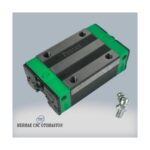
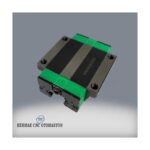
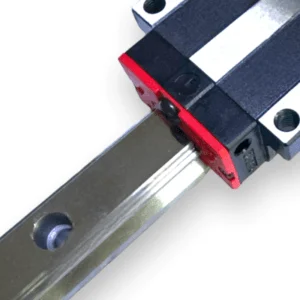
Linear guides typically consist of a rail and a carriage (block) that moves along it. The carriage houses rolling elements that facilitate smooth motion with minimal friction. The lubricant film acts as a cushion between these elements and the rail/carriage surfaces, preventing direct metal contact, reducing friction, and minimizing energy loss. Without this film, the rolling elements grind directly against the rail surfaces, subjecting them to high localized stresses. This dramatically shortens the material’s fatigue life. Micro-cracks begin to form, eventually leading to spalling – the detachment of material particles. These particles, unable to be flushed away by a lubricant, act as abrasives, further accelerating damage. Lubrication also aids in distributing the load more evenly across the contact surfaces. In a dry system, the load becomes concentrated, increasing the risk of brinelling (permanent deformation).
Technically, the coefficient of friction in a dry linear guide system can skyrocket. While rolling friction in a lubricated system is typically between 0.001 and 0.005, it can jump to 0.1 or higher without lubrication. This increase directly translates to higher torque requirements and significantly increased energy consumption. The generated heat can cause thermal expansion differences between components, making precise motion control impossible. System clearance increases rapidly, leading to higher vibration and noise levels.
| Parameter | Value/Description |
|---|---|
| Friction Coefficient (Lubricated) | 0.001 – 0.005 (Low) |
| Friction Coefficient (Unlubricated) | 0.1 – 0.5 (High, up to 100x increase) |
| Service Life Reduction | Up to 90% decrease (Nominal life can drop to 10% in unlubricated operation) |
| Operating Temperature Increase | 20-50°C rise, much higher at localized points |
| Power Consumption Increase | 30% – 200% (Depending on friction losses) |
| Motion Precision Loss | 50% – 95% decrease (Repeatability and positioning accuracy severely impacted) |
| Noise Level Increase | 10-30 dB(A) rise (Abnormal sounds, vibration) |
| Corrosion Resistance | Nearly zero (Absence of protective lubricant film) |
Key Considerations for Industrial Applications
- Correct Lubricant Selection: Choosing the right lubricant (grease, oil, or special coating) is crucial for each linear guide type and operating environment. Manufacturer specifications regarding viscosity, temperature range, load capacity, and additives (anti-wear, anti-corrosion) must be followed. Incorrect selection can impair performance. For high-speed applications, low-viscosity oils are suitable, while high-viscosity greases are better for heavy loads.
- Implementing a Periodic Lubrication Schedule: Regular, planned lubrication is essential for optimizing linear guide performance and lifespan. Lubrication intervals should be determined based on factors like operating cycles, distance traveled, load, speed, temperature, and environmental conditions. Manufacturer recommendations serve as a starting point, but adjustments based on actual field conditions are necessary. Automated lubrication systems can significantly improve this process by minimizing human error and ensuring precise delivery.
- Accurate Lubricant Quantity: Over-lubrication can be as problematic as under-lubrication. Excess grease or oil can attract dust and contaminants, forming an abrasive paste. It can also damage seals or increase running resistance. The correct amount is often specified as a percentage of the block’s internal volume and detailed in manufacturer guides.
- Assessing Environmental Conditions: Dusty, humid, chemically aggressive, or high-temperature environments directly impact lubricant performance and life. In such conditions, more frequent lubrication, specialized seals, or corrosion-resistant lubricants may be required. Protective bellows or covers can shield guides from external elements.
- Maintaining Guide Surface Cleanliness: Ensure guide surfaces are clean before lubrication and during periodic maintenance. Dirt, dust, or old lubricant residues can reduce the effectiveness of new lubricant and cause wear. Inspect surfaces for damage, scratches, or corrosion after cleaning.
- Monitoring for Abnormal Noise and Vibration: Unusual sounds (squeaking, grinding) or increased vibration during operation can be early indicators of insufficient lubrication or damage. Prompt inspection and intervention upon noticing these symptoms can prevent major failures.
Common Issues Arising from Lubrication Neglect
The most immediate consequence of neglecting linear guide lubrication is increased friction and heat. This elevated temperature can lead to thermal expansion, causing loss of preload and increased clearance, which directly impacts positioning accuracy and repeatability. The lack of a protective lubricant film accelerates wear on both the rolling elements and the raceways. This wear manifests as surface damage, such as pitting, scoring, and spalling, significantly reducing the load-carrying capacity and operational life of the guide. In severe cases, the rolling elements can get stuck or seize, leading to catastrophic failure and potential damage to other machine components. Corrosion is another major concern, especially in humid or chemically aggressive environments. Without the protective barrier of a lubricant, the exposed metal surfaces are prone to rust and degradation, further compromising their integrity and performance. These issues can lead to unexpected downtime, costly repairs, and reduced overall productivity for your CNC router machine or other automated systems.
Addressing these issues requires a proactive approach to maintenance. Regularly inspecting lubrication levels, adhering to recommended lubrication schedules, and using the correct lubricants are paramount. For CNC router machines and other industrial equipment that rely on precise linear motion, such as those equipped with a high-performance spindle motor and responsive servo drives, maintaining the integrity of components like linear guide rails and vacuum tables is non-negotiable. Proper lubrication ensures that the motion control systems operate as intended, delivering the accuracy and reliability your production demands.
Conclusion
The importance of lubrication for linear guides cannot be overstated. It is not merely a maintenance task but a fundamental requirement for ensuring the precision, efficiency, and longevity of any automated system, including industrial CNC router machines. Neglecting lubrication leads to a rapid decline in performance, increased wear, higher operating temperatures, greater energy consumption, and ultimately, premature system failure. By implementing a diligent lubrication strategy, selecting appropriate lubricants, and performing regular checks, you can safeguard your investment, maintain optimal performance, and avoid costly downtime. Ensure your linear guides are always properly lubricated to keep your production running smoothly and reliably.
Don’t let lubrication neglect compromise your production. Ensure your linear guides are always in optimal condition. If you have any questions about maintaining your CNC machinery or need assistance with component selection, our experts are ready to help.
Ready to optimize your CNC operations? Request a quote on WhatsApp today!
Related product categories: General · Electronics · Combination Packages