




































































What Happens When a Hydraulic Filter Clogs? Understanding System Impacts
📑 Table of contents (Click to open)
- Understanding the Impact of a Clogged Hydraulic Filter on Industrial Systems
- How a Clogged Hydraulic Filter Affects System Operation
- Suction Line Filters (Strainers)
- Pressure Line Filters
- Return Line Filters
- General System Impacts
- Technical Parameters Affected by Filter Clogging
- Best Practices for Preventing Clogged Filters
Practical notes for CNC router, automation and industrial motion systems.
Understanding the Impact of a Clogged Hydraulic Filter on Industrial Systems
Hydraulic systems are the backbone of many industrial operations, from CNC router machines to complex manufacturing lines. The hydraulic fluid within these systems is crucial for transmitting power, lubricating components, and dissipating heat. The integrity of this fluid is maintained by hydraulic filters, which remove contaminants like wear particles and debris. However, over time, these filters can become clogged, leading to a cascade of negative effects that can severely impact system performance and longevity. Recognizing these impacts is vital for maintaining operational efficiency and preventing costly downtime.
A clogged hydraulic filter restricts the flow of hydraulic fluid, increasing resistance and placing undue strain on the system’s pump. This situation accelerates component wear, reduces overall efficiency, elevates system temperatures, and can ultimately lead to sudden failures and production losses. Proactive diagnosis and regular filter replacement are therefore critical for ensuring the continuous and reliable operation of any hydraulic system.
How a Clogged Hydraulic Filter Affects System Operation
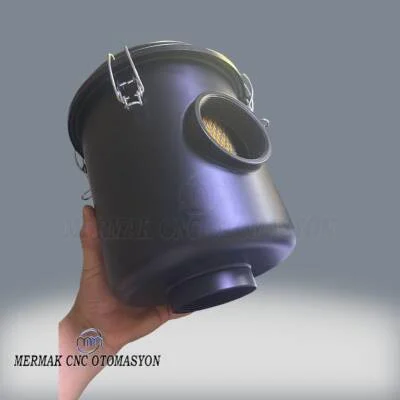
Hydraulic filters are strategically placed in different parts of the hydraulic circuit: suction, pressure, and return lines. The consequences of a clog vary depending on the filter’s location:
Suction Line Filters (Strainers)
Located on the pump’s inlet, these filters prevent large contaminants from entering the pump. If a suction line filter becomes clogged, the pump’s ability to draw fluid is significantly reduced. This can lead to cavitation – a phenomenon where vapor bubbles form and collapse within the pump due to insufficient fluid supply. Cavitation causes severe internal wear, vibration, and noise, drastically shortening the pump’s lifespan and diminishing system output.
Pressure Line Filters
Positioned between the pump outlet and control valves, pressure line filters are critical for protecting sensitive components like servo and proportional valves. A clog here increases the differential pressure across the filter. When this pressure difference exceeds a set limit, the filter’s bypass valve may open. This allows unfiltered fluid to enter the system, posing a significant risk to precision components. Pressure filter clogging also results in overall system pressure drops, slower actuator response, and reduced control accuracy.
Return Line Filters
These filters clean the fluid as it returns to the reservoir. A clogged return line filter causes back pressure to build up in the return line. This elevated pressure can impede the performance of valves and actuators, particularly slowing down the retraction of cylinders. It also increases stress on seals and hoses, raising the risk of leaks.
General System Impacts
Regardless of location, a clogged filter contributes to increased system temperature. Forcing fluid through a restricted passage generates excess heat due to friction. High fluid temperatures degrade the fluid’s viscosity and lubricating properties, shorten seal life, and accelerate component wear, leading to reduced overall system efficiency.
Technical Parameters Affected by Filter Clogging
- Differential Pressure: The pressure difference between the filter’s inlet and outlet. It rises as the filter clogs. Many systems use differential pressure indicators or switches to signal when a filter needs replacement.
- Micron Rating: The smallest particle size a filter can capture. A clogged filter may fail to achieve its rated efficiency or allow larger particles through if its bypass valve opens.
- Bypass Valve Opening Pressure: A safety feature that allows fluid to bypass the filter element when it’s fully clogged. Frequent bypass operation negates the filter’s protective function.
- Fluid Viscosity: Increased operating temperatures caused by filter restriction can lower fluid viscosity, impairing lubrication and sealing capabilities.
| Parameter | Typical Value/Description |
|---|---|
| Filter Type | Suction, Pressure, Return Line Filters |
| Micron Rating | 1 µm – 25 µm (Varies with system sensitivity) |
| Nominal Flow Rate | Liters/minute (Dependent on filter size and design) |
| Max. Operating Pressure | Bar (Must match system pressure) |
| Bypass Valve Opening Pressure | 1.5 – 5 Bar (Manufacturer and filter type dependent) |
| Max. Differential Pressure | 2 – 10 Bar (Maximum allowable pressure drop across the element) |
| Filter Media | Paper, Synthetic Fiber, Wire Mesh, Metal Fiber (Application-specific) |
| Operating Temperature Range | -20°C to +100°C (Dependent on fluid and environment) |
Best Practices for Preventing Clogged Filters
- Monitor Differential Pressure: Regularly check differential pressure gauges or electronic sensors. Promptly replace filters when indicators reach critical levels to prevent unplanned shutdowns. Integrated sensors can provide remote monitoring and trigger alarms via PLC or SCADA systems.
- Perform Regular Fluid Analysis: Periodic laboratory analysis of hydraulic fluid samples provides insights into cleanliness, particle count, water content, and viscosity. This helps assess filter effectiveness and determine optimal replacement intervals. Detecting wear metals can also predict potential component failures.
- Select Appropriate Filters: Choose filters with the correct micron rating and capacity based on system requirements (flow rate, pressure, contamination levels, fluid type). Using OEM-recommended filters and high-quality filter elements is crucial.
- Implement Planned Maintenance: Adhere to manufacturer-recommended replacement schedules and adjust them based on operating conditions. In harsh environments or with high contamination, increase filter change frequency. Inspect and clean the filter housing during element replacement.
- Verify Bypass Valve Functionality: Ensure bypass valves are correctly set and functioning. A malfunctioning bypass valve can compromise the filter’s protective role. Continuous bypass operation due to extreme clogging renders the filter ineffective.
- Maintain System Cleanliness: Practice strict cleanliness during fluid replenishment and maintenance. Use proper storage and transfer methods for hydraulic fluid to minimize contamination. Repairing leaks and preventing external dirt ingress also extends filter life.
By understanding the critical role of hydraulic filters and the consequences of their clogging, industrial operators can implement robust maintenance strategies. This proactive approach ensures the reliability and efficiency of vital machinery, including high-performance CNC router machines and other industrial automation equipment. For reliable hydraulic components and filtration solutions, explore our range of products.
Ready to ensure your hydraulic systems operate at peak performance? Request a quote on WhatsApp today!
Related product categories: 08B-1 Chain Sprocket · 08B-2 Roller Chain Sprocket · جنزير بقطر 1 بوصة
