






































































What is Cutting Fluid? How Does It Affect Tool Life in CNC Machining?

📑 Table of contents (Click to open)
Cutting fluid is a critical auxiliary substance in CNC machining that reduces friction and heat between the tool and workpiece, facilitating chip evacuation. Proper selection and management of cutting fluid significantly extend tool life, improve surface quality, enhance dimensional accuracy, and reduce production costs, maximizing overall efficiency.
Practical notes for CNC router, automation and industrial motion systems.
In the world of industrial automation and CNC machining, efficiency, precision, and cost-effectiveness are primary objectives. One of the crucial elements in achieving these goals is cutting fluid. Cutting fluid is a chemical mixture, typically in liquid form, applied between the tool and workpiece during machining operations. Its main purpose is to dissipate the extreme heat generated in the cutting zone, reduce friction, flush away chips formed, and protect the workpiece and tool from corrosion. These functions slow down tool wear, extending its life, improving the quality of the machined surface, and ensuring machining stability. Various cutting fluids are specifically formulated for different machining types, material, and tool combinations, generally classified as oil-based, water-based (emulsions or semi-synthetics), and synthetics.
Principle of Operation and Technical Data
The principle of operation for cutting fluid relies on optimizing the machining process by engaging multiple mechanisms simultaneously. The foremost of these is cooling. During metal cutting, intense deformation and friction occur between the tool tip and the workpiece, causing temperatures in the cutting zone to rise to several hundred degrees Celsius, or even a thousand degrees in some cases. High temperatures reduce the hardness and wear resistance of the tool material, leading to thermal wear and plastic deformation. Cutting fluid removes heat from the cutting zone via convection and conduction, preventing overheating of the tool and workpiece, thus preserving the tool’s strength.
The second important mechanism is lubrication. Cutting fluid forms a lubricating film between the tool, workpiece, and chip, reducing friction. This is particularly critical at low cutting speeds or when machining softer materials. Reduced friction lowers cutting forces, decreases energy consumption, and minimizes abrasive and adhesive wear on the tool. Cutting fluids containing extreme pressure (EP) additives react chemically under high pressure and temperature to form a protective layer on metal surfaces, preventing metal-to-metal contact.
The third fundamental function is chip evacuation. Cutting fluid is sprayed under high pressure into the cutting zone, flushing chips away from the tool and the workpiece surface. This prevents chips from being re-cut or causing tool jamming. Chip buildup can lead to tool breakage, poor surface quality, and reduced machining stability. Effective chip evacuation ensures the tool continuously works with fresh cutting edges.
Finally, cutting fluid provides corrosion protection, preventing rust on machined surfaces and machine components. Some cutting fluids also contain biocides to inhibit microorganism growth, extending the fluid’s life and preventing foul odors.
All these mechanisms directly impact tool life. Cooling delays thermal fatigue and plastic deformation by preserving the tool’s hardness. Lubrication reduces friction-induced wear (abrasion, adhesion) and minimizes built-up edge (BUE) formation. Chip evacuation prevents mechanical damage to the tool and surface scratching. Consequently, tools remain sharp for longer, can machine more parts, and require less frequent replacement, reducing production downtime and costs. Furthermore, the use of cutting fluid allows for higher cutting parameters (speed and feed), increasing production rates and overall efficiency.
| Parameter | Value/Description |
|---|---|
| Cutting Fluid Type | Water-Soluble (Emulsion/Semi-Synthetic): High cooling, moderate lubrication. Synthetic: High cooling, low lubrication, clean. Neat Oil: High lubrication, low cooling, high viscosity. |
| Primary Functions | Cooling, Lubrication, Chip Evacuation, Corrosion Prevention, Surface Finish Improvement. |
| pH Range | Typically between 8.5 – 9.5. This range prevents corrosion and controls bacterial growth. |
| Concentration Ratio (Typical) | For water-soluble fluids, ranges from 3% – 10% (depending on operation and material). Measured with a refractometer. |
| Thermal Conductivity | Ability to dissipate heat. Water-based fluids generally have higher thermal conductivity. |
| Viscosity | Resistance to flow. Low viscosity provides good cooling and chip evacuation, while high viscosity offers better lubrication. |
| Lubrication Mechanism | Hydrodynamic (thick film), Boundary (thin film), chemical reaction with EP (Extreme Pressure) additives. |
Key Considerations in Practice
- Correct Cutting Fluid Selection: Choosing the most suitable cutting fluid for each machining operation and material combination is vital. For instance, for sticky materials like aluminum, fluids with high lubrication properties are preferred, while for materials like stainless steel that generate high heat, fluids with high cooling capacity are necessary. Tool material (HSS, carbide, etc.), machining type (turning, milling, grinding), workpiece material, and desired surface finish are key selection criteria. Technical support from suppliers and product data sheets should guide this process.
- Concentration Control and Management: Using water-soluble cutting fluids at the correct concentration is crucial. Low concentration leads to insufficient lubrication, corrosion, and bacterial growth, while high concentration can cause foaming, increased costs, and skin irritation. Concentration should be regularly measured with a refractometer and adjusted according to manufacturer recommendations. Automatic dosing systems can simplify this process.
- Filtration and Cleanliness: Micron-sized metal particles and other contaminants generated during machining degrade cutting fluid performance and accelerate tool wear. Effective filtration systems (paper filters, centrifuges, magnetic separators) should be used to regularly remove solid particles from the fluid. Machine sumps should also be cleaned periodically, and the fluid completely replaced. Dirty fluid not only shortens tool life but also causes unpleasant odors and skin issues.
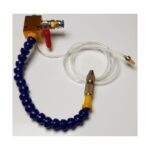
- Application Method and Flow Rate: Ensuring cutting fluid reaches the cutting zone correctly and in sufficient quantity is critical. Inadequate flow or incorrect nozzle positioning hinders the fluid’s effectiveness. Modern techniques like Minimum Quantity Lubrication (MQL) can provide effective cooling and lubrication in some applications while reducing fluid consumption and environmental impact, in addition to traditional flood cooling. High-pressure cutting fluid systems maximize chip evacuation and cooling, especially in deep hole drilling and machining difficult materials.
- pH Value and Biological Control: The pH value of water-soluble cutting fluids is important for corrosion control and bacterial growth. The pH level should generally be maintained between 8.5-9.5. A drop in pH indicates bacterial growth and corrosion. Regular pH measurements should be taken, and if necessary, pH adjusters or biocides should be used for control. However, biocide usage requires careful management due to environmental considerations.
- Environmental and Health Safety: As cutting fluids contain chemicals, operator health and environmental impact must be considered. Product Safety Data Sheets (MSDS/SDS) should be carefully reviewed, appropriate personal protective equipment (gloves, goggles) used, and good ventilation maintained.
Proper management of cutting fluids is not just about extending tool life; it’s integral to maintaining machine health, ensuring product quality, and optimizing the overall productivity and profitability of CNC operations. For expert advice on selecting the right cutting fluid for your specific needs or to inquire about Mermak CNC’s advanced machining solutions, request a quote on WhatsApp.
Related product categories: Genel · Takım Tutucu Kovanlar · Uzun Köşe Bağlantı Parçası
