
No products in the cart.
%25 Discount


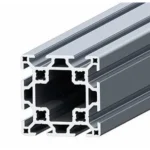
60×60 Sigma Profile 8 Channel
Original price was: 44.30$.33.32$Current price is: 33.32$.
High-strength aluminum profile for industrial automation and machine building.
In stock
🔥 Special for Today Only %25 Discount Opportunity!📦 Category: 60 mm Aluminum Profiles🏷️ Dimensions: 60x60🏷️ Slot Size: 8 Slots🏷️ Profile Size: 60x60
Mermak assuranceFrom factory to end user · importer / main dealer · strong stock
ImporterMain dealer / distributorStrong stockGood priceCorporate invoice
In stock / available to order · 14-day return for standard unused products; conditions may vary for custom size/cut products.
60×60 Sigma Profile 8 Channel
INDUSTRIAL AUTOMATION PARTS | SUPERIOR PERFORMANCE SERIES
Detailed Product Review
The 60×60 Sigma Profile 8 Channel is an aluminum profile produced with high-precision extrusion, forming the structural skeleton for industrial automation systems and machine manufacturing projects. This profile, with its 60 mm x 60 mm square cross-section and eight strategically positioned T-slot channels on its peripheral surfaces, offers superior modularity and connection flexibility in engineering designs. The integration of T-slot channels allows for quick and secure positioning of various fasteners (T-nuts, corner connectors, hinges, etc.) at any point on the profile. This structural feature accelerates prototyping processes, simplifies the assembly of complex mechanical systems, and provides adaptability for future revisions. The profile’s design optimizes load distribution, guaranteeing high rigidity and torsional resistance, making it an ideal choice for applications such as conveyor systems, robotic cells, and test stands operating under dynamic loads.
The product’s material composition consists of high-strength aluminum alloy conforming to the EN AW-6063 T5 standard. This alloy is known for its excellent extrudability, good weldability, and high corrosion resistance. The T5 heat treatment process optimizes the profile’s mechanical properties (tensile strength, yield strength, and hardness) by subjecting it to artificial aging after extrusion, thereby achieving the structural integrity and durability expected in industrial applications. The 10-15 micron thick anodized coating applied to its surface increases the profile’s surface hardness, enhancing wear resistance and providing a superior protective barrier against oxidation and chemical effects. This coating also improves the profile’s electrical insulation properties and offers an aesthetic and hygienic appearance in sensitive production environments like clean rooms.
Advantages of 60×60 Sigma Profile 8 Channel
Modular Design and Adaptability: The eight T-slot channels of the 60×60 Sigma Profile 8 Channel offer unparalleled modularity to system designers and engineers. These channels, evenly spaced around the entire perimeter of the profile, allow for the quick and secure mounting of various components such as linear guides, sensors, actuators, control panels, and protective guards without the need for pre-drilling or welding. This feature translates to rapid adaptation to design changes, ease of system expansion or reconfiguration, and time and cost savings during prototyping. Furthermore, the T-slots enable cables and pneumatic lines to be concealed within the profile, ensuring a tidy and safe working environment.
High Structural Strength and Rigidity: The 60×60 mm cross-section and optimized internal geometry ensure the profile possesses high moments of inertia and torsional rigidity. Combined with the high yield and tensile strength of the EN AW-6063 T5 aluminum alloy, these geometric features guarantee minimal deformation even under heavy static and dynamic loads. The T5 heat treatment strengthens the material’s grain structure, enhancing its strength and improving fatigue resistance. Consequently, structural integrity is maintained even in systems with vibration or high-speed movement, ensuring reliable and repeatable performance in critical areas like robotic applications, precision assembly lines, and testing equipment.
Superior Corrosion Resistance and Surface Quality: The anodized coating applied to the profile’s surface increases the thickness and density of the naturally formed oxide layer through an electrochemical process. This 10-15 micron thick coating provides superior protection against atmospheric corrosion, chemical etching, and mechanical impact. The anodized layer prevents aluminum from oxidizing, significantly extending the product’s lifespan and reducing maintenance needs. Additionally, this coating imparts a smooth, aesthetic, and professional finish to the profile, making it suitable for cleanroom applications, laboratory equipment, and visually important industrial designs. The coating’s electrical insulation properties also offer advantages in specific applications.
Technical Specifications and Capacity
SpecificationValue/Description
Cross-Section Dimensions60 mm x 60 mm (Nominal)
Channel Type and QuantityT-Slot, 8 Channels (Compatible with M8 T-nuts)
MaterialHigh-Strength Aluminum Alloy (EN AW-6063 T5)
Weight per Meter~2.482 Kg/Meter (±5% tolerance)
Surface TreatmentAnodized Coating, 10-15 micron thickness
Heat TreatmentApplied (T5 hardening, artificial aging)
Technical Frequently Asked Questions (FAQ)
What is the impact of using EN AW-6063 T5 aluminum alloy in this profile on structural performance?
EN AW-6063 belongs to the aluminum-magnesium-silicon alloy group, specifically optimized for extrusion. The T5 temper refers to controlled cooling and artificial aging (heat treatment) processes post-extrusion. This process ensures the precipitation of magnesium silicide (Mg2Si) phases within the alloy’s microstructure, significantly increasing the material’s yield and tensile strength. The use of this alloy in the 60×60 Sigma Profile ensures the profile possesses high load-bearing capacity, excellent rigidity, and good fatigue resistance. This allows the profile to maintain its structural integrity even under dynamic loads, providing the long-term, reliable performance expected in industrial automation systems. Furthermore, the 6063 alloy offers advantages in manufacturing and assembly processes due to its good machinability and weldability.
What are the engineering advantages of an 8-channel T-slot design compared to 4-channel profiles?
The 8-channel T-slot design offers significant engineering advantages over 4-channel profiles. Primarily, it enhances system modularity and adaptability by providing more connection points. Having two channels on each face allows for more flexible component positioning, enables the mounting of multiple elements on the same face, or facilitates connections at different angles. This increases design freedom, especially in applications like complex robotic cells, multi-axis motion systems, or integrated safety guards. Secondly, the 8 channels increase the profile’s torsional rigidity and overall structural integrity. The additional internal space allows for more organized routing of cables, pneumatic, or hydraulic lines within the profile, protecting them from external damage and providing a cleaner aesthetic. These extra channels also permit the use of more fasteners, optimizing load distribution at joints and enhancing the system’s overall stability.
What are the critical technical considerations for selecting and installing fasteners for the 60×60 Sigma Profile?
The selection and installation of fasteners for the 60×60 Sigma Profile are critical for the system’s structural integrity and longevity. Firstly, the T-nuts (typically M8) used must be fully compatible with the profile’s channel geometry to ensure maximum contact surface area and optimal load transfer. The material of the fasteners should be compatible with the profile material to prevent galvanic corrosion; zinc-plated steel or stainless steel fasteners are commonly preferred. Secondly, the torque values applied during installation must be determined according to the fastener manufacturer’s specifications and the load the profile will bear. Excessive torque can lead to deformation of the profile or fastener, while insufficient torque can cause the connection to loosen and compromise system stability. Thirdly, different types of connectors, such as corner connectors, angle plates, or internal connectors, should be selected based on the rigidity and load-carrying capacity required by the application. For instance, points with high torsional or bending loads may require stronger, multi-point fasteners. Finally, for dynamic loads or vibrating environments, additional safety measures like self-locking nuts or spring washers should be considered.
What limitations or advantages does this profile’s chemical resistance and thermal expansion coefficient offer for demanding industrial environments?
The 60×60 Sigma Profile, thanks to its anodized coating, offers enhanced resistance to many industrial chemicals. Anodized aluminum performs well in neutral and mildly acidic/alkaline environments within a pH range of 4.5 to 8.5. However, direct and prolonged contact with strong acids (e.g., hydrochloric acid) or strong bases (e.g., sodium hydroxide) should be avoided, as these chemicals can dissolve the anodized layer, exposing the aluminum to corrosion. In such environments, additional protective coatings or alternative material selection may be necessary. In terms of thermal expansion, aluminum’s linear thermal expansion coefficient is approximately 23 x 10^-6 m/(m·°C). This value is about twice that of steel. For large structures or systems exposed to wide temperature variations, this expansion difference must be considered. Incorporating expansion joints in the design or using flexible connectors at junctions with different materials is crucial to prevent thermal stresses and minimize structural deformation. This characteristic should be factored into engineering calculations, especially for outdoor applications or equipment subjected to thermal cycling, such as high-temperature ovens.
| Dimensions | 60x60 |
|---|---|
| Slot Size | 8 Slots |
| Profile Size | 60x60 |
You must be logged in to post a review.
Taksit Tablosu
Related Products
 %38 Discount80x80 Sigma Profile | 8 Channel | Heavy DutyOriginal price was: 88.50$.54.58$Current price is: 54.58$.View
 %36 Discount60x60 Sigma Profile 10 ChannelOriginal price was: 46.07$.29.54$Current price is: 29.54$.View
 %38 Discount40x80 Sigma Profile 8 Slot Light DutyOriginal price was: 34.46$.21.25$Current price is: 21.25$.View
Reviews
There are no reviews yet.