
No products in the cart.


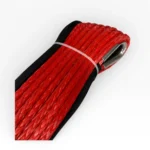
11×24 Meter 100% Synthetic Offroad Winch Replacement Rope
135.60$
Best Quality, Best Price Guarantee
In stock
📦 Category: Off-Road Winches
Mermak assuranceFrom factory to end user · importer / main dealer · strong stock
ImporterMain dealer / distributorStrong stockGood priceCorporate invoice
In stock / available to order · 14-day return for standard unused products; conditions may vary for custom size/cut products.
11×24 Meter 100% Synthetic Offroad Winch Replacement Rope
INDUSTRIAL AUTOMATION PARTS | SUPERIOR PERFORMANCE SERIES
Detailed Product Review
This 11×24 meter 100% Synthetic Offroad Winch Replacement Rope is a high-engineering product designed specifically for dynamic loading conditions and rescue, towing, and lifting operations in harsh environmental factors. The primary function of the product is to safely and efficiently transfer the pulling force applied through a winch mechanism to the target vehicle or load. Unlike traditional steel cables, this synthetic rope is manufactured from ultra-high molecular weight polyethylene (UHMWPE or HMPE) fibers. UHMWPE, thanks to the highly oriented and crystalline structure of its long-chain polymer molecules, exhibits exceptional tensile strength and impact resistance. This molecular architecture maximizes the load-bearing capacity per unit cross-sectional area of the rope while minimizing the material’s specific gravity. The working principle involves the rope, wound on the winch drum, being tensioned by motor drive, generating the linear force required for operations such as pulling a stuck vehicle, lifting a heavy object, or overcoming an obstacle. The rope’s low elongation coefficient (3-5%) allows for minimal stretching under load, enabling the pulling process to be more controlled and precise, which increases operational safety, especially in situations requiring delicate maneuvers.
The product’s material structure consists of 100% High Modulus Polyethylene (HMPE) fibers produced in a 12-strand braided configuration. This braided structure enhances the rope’s bending resistance, reduces kinking tendency, and optimizes inter-fiber friction under load, ensuring uniform tension distribution. The hydrophobic nature of HMPE fibers reduces water absorption to almost zero, allowing the rope to maintain its strength and performance even in wet conditions and eliminating the risk of freezing. In terms of system integration, this synthetic rope is designed for full compatibility with standard offroad winch drums and fairleads. Its 11mm diameter offers an ideal balance for most medium and heavy-duty offroad winches, while the 24-meter length provides a wide recovery range. Its applications are not limited to the recovery and towing of offroad vehicles; it also exhibits high performance as a mooring and towing rope in the maritime sector, in heavy equipment transport and lifting applications in mining, in large machinery towing operations in agriculture, and in material lifting and positioning tasks in the construction sector. The rope’s chemical resistance, being inert to acids, bases, oils, and many organic solvents, allows it to maintain its structural integrity even when exposed to corrosive chemicals in industrial environments.
Advantages of the 11×24 Meter 100% Synthetic Offroad Winch Replacement Rope
Superior Strength-to-Weight Ratio: This synthetic rope has a structure that is up to 80% lighter than steel ropes at the same Minimum Breaking Strength (MBS) value. This lightness offers critical advantages in terms of operational efficiency and ergonomics. The lower mass significantly facilitates the transport, winding onto the winch drum, and deployment of the rope in the field, thereby reducing operator fatigue and shortening the time required for rapid recovery operations. Furthermore, it minimizes the load on the vehicle’s total weight, reducing static and dynamic stresses on fuel consumption and suspension systems. The low inertia also allows the winch motor to consume less energy and respond faster, positively impacting the overall performance and lifespan of the system. The rope’s lightness also increases ease of use, especially in off-road or water-based operations, by preventing the rope from sinking and keeping it afloat.
High Safety Profile: One of the most significant safety advantages of synthetic UHMWPE ropes is the much lower kinetic energy released upon breakage compared to traditional steel ropes. Steel ropes, acting like a highly tensioned spring upon breakage, can create a dangerous and potentially fatal “snap-back” effect. UHMWPE fibers, due to their molecular structure, dissipate this energy in a more controlled manner, carrying a much lower risk of snap-back upon breakage. This situation minimizes life-threatening hazards for operators and surrounding personnel. Additionally, while broken wires and sharp burrs on steel ropes can cause serious injuries when handled, the smooth and flexible structure of synthetic rope completely eliminates such risks. These features significantly enhance workplace safety standards and reduce operational risk factors.
Excellent Abrasion and UV Resistance: The 12-strand braided HMPE (UHMWPE) fiber structure of this synthetic winch rope exhibits exceptional resistance to friction and abrasion due to its high-density polymeric composition. The smoothness of the fibers and their low coefficient of friction minimize wear and tear as the rope moves over fairleads, drum surfaces, or terrain obstacles. This feature extends the rope’s service life and prevents performance degradation. Furthermore, the chemical structure of UHMWPE provides high resistance to prolonged exposure to sunlight (UV radiation). The stable structure of the polymer chains and the low content of chromophores slow down photodegradation caused by UV rays. This resistance ensures that the rope maintains its strength and structural integrity over long periods in outdoor conditions, especially in off-road or marine applications. This reduces the need for frequent rope replacement, lowering the total cost of ownership while increasing operational reliability.
Water and Chemical Resistance: The molecular structure of High Modulus Polyethylene (HMPE) fibers exhibits extremely inert behavior towards water. This means the rope has negligible water absorption (<0.1%). This hydrophobic property prevents the rope from swelling, gaining weight, or losing strength in wet or humid environments. Its excellent resistance to saltwater makes it ideal for maritime and coastal operations, as there is no risk of rust or corrosion. Additionally, HMPE shows high resistance to most industrial chemicals, acids, bases, oils, and solvents. This inert structure allows the rope to maintain its structural integrity and performance even in aggressive chemical environments such as chemical plants, mining sites, or oil rigs. This resistance extends the rope's lifespan, reduces maintenance requirements, and enhances operational reliability, thus providing uninterrupted performance even in harsh field conditions.
Ease of Use and Maintenance: The flexible structure of synthetic UHMWPE rope offers a much easier handling experience compared to steel ropes. The rope has a low bending radius, making it easy to guide and manipulate even in tight spaces or complex configurations. It can be easily knotted and spliced, which is a significant advantage for quick field repairs or length adjustments. Splicing can be done with simple hand tools, without the need for special tools or welding equipment. It winds smoothly onto the winch drum, preventing the rope from jamming or uneven distribution on the drum, thus extending the life of the winch mechanism. The absence of rust and the need for lubrication simplify maintenance routines and reduce operational costs. Furthermore, its buoyancy in water makes positioning and retrieving the rope extremely easy, especially during underwater recovery operations or river crossings, which enhances operational efficiency and safety.
Technical Specifications and Capacity
FeatureValue/Description
Material Composition100% High Modulus Polyethylene (HMPE/UHMWPE), 12-strand braided structure
Nominal Diameter11 mm (0.43 inches) – Optimized for high strength and flexibility
Nominal Length24 Meters (78.7 feet) – Ideal for extended range recovery and towing operations
Minimum Breaking Strength (MBS)~10,000 kg (22,000 lbs) – High safety factor and operational capacity
Elongation Under LoadLow (3% – 5%) – Controlled and precise pulling capability, minimal snap-back risk
Water Absorption RateNegligible (<0.1%) – Floats on water, no strength loss in wet conditions
UV and Chemical ResistanceHigh – Superior resistance to sunlight, saltwater, oils, and most chemicals
Technical Frequently Asked Questions (FAQ)
How does the energy damping capacity of UHMWPE synthetic ropes under dynamic load differ from steel ropes?
UHMWPE (Ultra-High Molecular Weight Polyethylene) synthetic ropes exhibit a fundamentally different energy damping mechanism under dynamic loading conditions compared to steel ropes. Steel ropes, due to their high elastic modulus, store a significant amount of elastic potential energy until their breaking point. This energy is suddenly released upon rope breakage, creating a high-speed and dangerous snap-back effect. UHMWPE ropes, by nature of their molecular structure, do not possess as high an elastic modulus as steel and store less energy with a lower elongation coefficient. Upon breakage, UHMWPE fibers typically dissipate energy in a more controlled manner through gradual fiber separation. This results in much lower released kinetic energy and, consequently, a significantly reduced risk of snap-back. This characteristic provides a critical advantage for operator and environmental safety, especially in dynamic recovery operations.
What engineering advantages does the 12-strand braided structure of a synthetic rope offer for its mechanical performance and lifespan?
The 12-strand braided structure offers a range of engineering advantages that enhance the mechanical performance and service life of synthetic ropes. This braiding type ensures that the fibers are more tightly and regularly interlocked within the rope’s structure, which optimizes inter-fiber friction under load and helps distribute tension more uniformly throughout the rope. Uniform tension distribution prevents excessive stress concentration at specific points, reducing the risk of premature fatigue and breakage. Furthermore, the 12-strand structure increases the rope’s bending resistance and minimizes kinking tendency, thereby improving ease of use and operational efficiency. This braiding technique also makes the rope’s outer surface smoother, increasing abrasion resistance and reducing wear caused by friction when in contact with fairleads or other surfaces. Finally, 12-strand ropes are easily spliceable, offering the possibility of quick field repairs, which extends the rope’s overall lifespan and reduces replacement costs.
At a molecular level, what properties explain the resistance of UHMWPE ropes to UV radiation and chemicals?
The superior resistance of UHMWPE ropes to UV radiation and chemicals stems from the polymer’s molecular structure. UHMWPE consists of long, linear polyethylene chains with high crystallinity. This structure minimizes the number of reactive sites (chromophores) required for UV rays to break down the polymer chains. Additionally, the chemically inert nature of polyethylene provides high resistance to most acids, bases, salts, oils, and organic solvents. This inertness ensures that the polymer chains remain stable against chemical attacks and prevents the occurrence of hydrolysis, oxidation, or other degradation reactions. These molecular properties allow the rope to maintain its strength, flexibility, and structural integrity even under harsh outdoor conditions, such as prolonged exposure to seawater, industrial waste, or sunlight, thereby significantly extending the product’s service life.
How are the thermal effects of synthetic winch ropes on drum winding and the winch mechanism managed compared to steel ropes?
The thermal effects of synthetic winch ropes during drum winding and on the winch mechanism require a different management approach compared to steel ropes. UHMWPE ropes have a lower melting point (approximately 140-150°C) compared to steel ropes. This must be considered, especially in applications where excessive heat buildup on the drum under high friction and pressure is a potential concern. Improper winding techniques or prolonged operation under excessive load can lead to compression and localized temperature increases between rope layers. To manage this thermal effect, winch drums are often designed to be wider, and guide systems are used to ensure the rope winds smoothly and without tension. Some modern winches may feature drum surfaces or cooling mechanisms specifically designed for synthetic ropes, providing better heat dissipation or optimizing the rope’s contact surface with the drum. Additionally, the low coefficient of friction of synthetic rope naturally helps reduce heat buildup when wound correctly. Regular inspection of the rope’s winding pattern on the drum by operators and stopping the operation in case of overheating signs (e.g., rope hardening or discoloration) are critical to extending the lifespan of the rope and winch mechanism.
| Dimensions | 11X24 |
|---|
You must be logged in to post a review.
Taksit Tablosu
Related Products
 %46 Discount12V 13500 Lb Synthetic Rope Off-road Winch - RedOriginal price was: 608.26$.330.24$Current price is: 330.24$.View
 %53 Discount12V 4500 Lb Synthetic Rope ATV-UTV-Yacht WinchOriginal price was: 324.00$.152.64$Current price is: 152.64$.View
- %55 Discount12V 3500 Lb Synthetic ATV-UTV-Boat Winch - RedOriginal price was: 343.20$.156.00$Current price is: 156.00$.View
Reviews
There are no reviews yet.