













































































Spindle Overheating: Normal Operation or Impending Failure?

📑 Table of contents (Click to open)
Spindle overheating can be a sign of normal operation or an impending failure. This article explains the causes of heat generation in CNC spindles, the difference between normal and excessive temperatures, and the importance of proper maintenance for spindle longevity and machine performance.
Practical notes for CNC router, automation and industrial motion systems.
Spindle overheating is a common concern for operators of CNC machinery. While some degree of heat generation is inherent to the operation of any spindle motor, excessive temperatures can indicate a serious problem that requires immediate attention. Understanding the difference between normal operating temperatures and signs of failure is crucial for preventing costly damage and ensuring continuous production.
In industrial automation, the spindle, found in CNC machines, lathes, and machining centers, is a critical component operating under high speeds and heavy loads. A certain amount of heat is naturally produced due to the conversion of electrical energy to mechanical energy, friction within bearings, and the high-speed rotation itself. Modern spindle designs incorporate cooling systems (air or liquid) to efficiently dissipate this heat. However, the line between “normal” and “failure” is fine and understanding it is vital for preventing expensive breakdowns and maintaining production continuity.
Normal heating occurs when the spindle operates within the manufacturer’s specified temperature range under normal working conditions. This range is typically slightly above ambient temperature, perhaps 20-40°C. It’s expected for a spindle’s temperature to rise when first started or under load, eventually reaching a stable operating point where heat generation and dissipation are balanced. If the spindle’s temperature exceeds this normal range, rises rapidly, or reaches an excessively high stabilization point, it’s a clear sign of a fault.
Excessive spindle heat can lead to reduced performance, decreased machining accuracy, shorter tool life, and most importantly, permanent damage to the spindle itself. Bearings are particularly sensitive to high temperatures; elevated heat degrades lubrication and drastically shortens bearing life. Therefore, continuous monitoring of spindle temperature and understanding critical thresholds are fundamental to effective preventive maintenance strategies.
Operating Principles and Technical Data
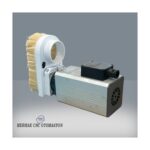
Spindles typically consist of an integrated motor and a high-precision bearing system. They convert electrical energy into mechanical energy for high-speed rotation. Energy losses during this conversion are unavoidable and manifest as heat. The primary sources of heat include:
- Motor Windings: Current flowing through the motor windings generates heat due to resistance (Joule effect). This heat increases with higher current draw or when the motor is overloaded.
- Bearings: The bearings supporting the spindle shaft generate friction during rotation. High speeds, inadequate or incorrect lubrication, contamination, or bearing damage all increase friction and heat generation.
- Air Friction: At very high speeds (e.g., above 20,000 RPM), the friction between the shaft, rotating components, and the air can become a significant heat source.
- Other Mechanical Friction: Seals, couplings, or other moving parts can also contribute small amounts of heat.
Effective heat management is critical for spindle performance and longevity. Advanced cooling systems are employed:
- Air Cooling: A common and simple method using integrated fans within the motor or external blowers to dissipate heat. Sufficient for lower power and speed applications.
- Liquid Cooling: Typically used for high-power, high-speed spindles, employing a water-glycol mixture or special cooling oil. The coolant circulates through channels in the spindle housing, absorbing heat and transferring it to an external cooling unit (chiller). The chiller cools the fluid before it’s recirculated. This method allows for more precise temperature control and enhances thermal stability.
- Oil-Air Lubrication and Cooling: For some high-speed bearings, an oil-air mixture provides both lubrication and some cooling. Oil is atomized into micro-droplets and sprayed onto the bearings, while the air helps carry away heat.
Understanding the technical specifications and operating principles of a spindle is fundamental to interpreting temperature fluctuations. Manufacturers provide detailed information on maximum safe operating temperatures, recommended lubrication types, and cooling requirements. For instance, bearing life can decrease by approximately 50% for every 10°C increase in temperature, highlighting the destructive potential of overheating. Spindles are typically equipped with PT100 or NTC temperature sensors that send real-time data to the control system, triggering alarms or shutdown mechanisms when set thresholds are exceeded.
| Parameter | Value/Description |
|---|---|
| Normal Operating Temperature Range | 20°C to 40°C above ambient (varies by spindle type). |
| Maximum Safe Surface Temperature | Generally 60°C – 80°C (critical threshold per manufacturer specifications). |
| Temperature Sensor Type | PT100 RTD (Resistance Temperature Detector) or NTC Thermistor. |
| Typical Cooling Methods | Air Cooling (internal/external fan), Liquid Cooling (water/glycol or oil with chiller). |
| Bearing Life Reduction Factor | Bearing life decreases by approx. 50% for every 10°C temperature increase. |
| Thermal Expansion Effect | High temperatures can cause precision loss in shaft and bearing clearances. |
| Recommended Lubrication System | Grease Lubrication, Oil Jet, Oil-Mist Lubrication (application dependent). |
Field Considerations for Spindle Health
- Temperature Monitoring and Trend Analysis: Continuously monitoring and logging spindle operating temperatures is vital for understanding normal operating profiles. Data from temperature sensors should be integrated into SCADA or PLC systems for trend analysis. Sudden spikes or consistently high temperatures above normal should trigger alarms. For example, if a spindle typically reaches 50°C during a specific operation, reaching 70°C one day indicates a problem.
- Lubrication Status and Maintenance: Bearing lubrication directly impacts spindle life and temperature. Insufficient lubrication causes excessive friction and heat, while over-lubrication (especially with grease) can also increase friction and heat. Strictly adhere to the manufacturer’s specified lubrication intervals and lubricant types. Regularly inspect lubrication systems (grease pumps, oil-mist units). The quality and cleanliness of the lubricant are also critical.
- Cooling System Checks: Regularly inspect the spindle’s cooling system (air or liquid). For air-cooled spindles, ensure fans are functioning correctly and air inlets/outlets are free from dust and debris. For liquid-cooled systems, periodically check the chiller’s performance, coolant level, filter cleanliness, pump pressure, and flow rate. Contaminated coolant or blocked pipes can lead to overheating.
- Bearing Condition and Vibration Analysis: Spindle bearings are a common source of overheating. Damaged, contaminated, or worn-out bearings generate increased friction and vibration, leading to significant heat buildup. Periodic vibration analysis is an effective method for detecting early signs of bearing wear and damage. Abnormal noises (squealing, grinding) or palpable vibrations also indicate bearing issues.
- Workload and Speed Parameters: Consistently operating the spindle at maximum speed or under excessive load generates extra heat in the motor windings and bearings. Ensure the application’s required torque and speed values are within the spindle’s capabilities. Avoid unnecessary high-speed operations if not required by the machining process.
Addressing spindle overheating promptly through proper maintenance and monitoring can prevent catastrophic failures, extend the life of your industrial CNC router, and ensure consistent, high-quality production. If you suspect your spindle is overheating, it’s best to consult with a qualified technician or contact the manufacturer.
Need a reliable CNC router machine for your operations? Explore our range of industrial CNC router solutions and request a quote on WhatsApp today!
