










































































How to Stop a CNC Control Card When a Servo Drive Alarms
📑 Table of contents (Click to open)
Practical notes for CNC router, automation and industrial motion systems.
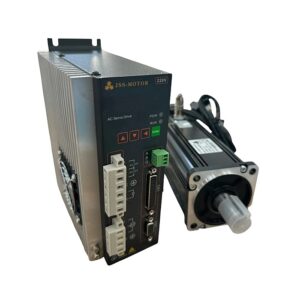
The primary method for stopping a CNC control card when a servo drive alarms is to connect the drive’s alarm output (typically a relay contact) to the CNC controller’s Emergency Stop (ESTOP) or Machine Ready input. This connection ensures that the control card safely halts all motion and cuts power upon an alarm event.
Understanding Servo Drive Alarms and CNC Control
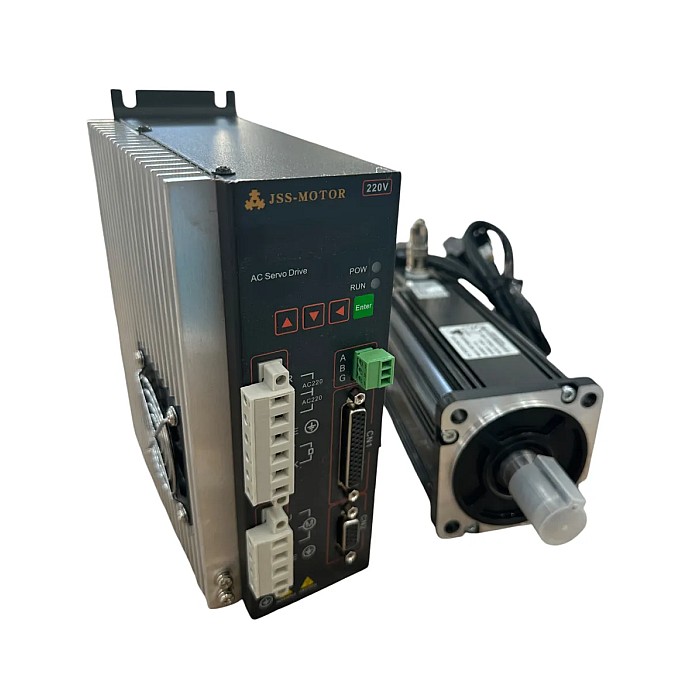
In industrial automation, particularly with CNC machines, the reliable operation of servo drives is crucial for production continuity and operator safety. A servo drive is an intelligent device that monitors motor performance and generates an alarm in case of a fault, such as overcurrent, overvoltage, overspeed, encoder error, or overload. This alarm not only protects the drive itself but also signals the connected CNC control card, triggering a safe shutdown of the machine. The CNC control card’s ability to detect and respond to this alarm is vital for preventing potential equipment damage, workpiece defects, and operator injuries. This process typically involves integrating the drive’s internal safety mechanisms with the CNC system’s overall safety chain. The goal is to initiate a controlled stop (e.g., stopping machining and applying motor braking) or an immediate Emergency Stop (ESTOP) reaction, depending on the alarm’s severity. Modern systems can enhance this integration through complex safety logic and secure communication protocols like Functional Safety over EtherCAT (FSoE), but the fundamental principle remains informing the controller via a physical signal.
Operational Principles and Technical Data
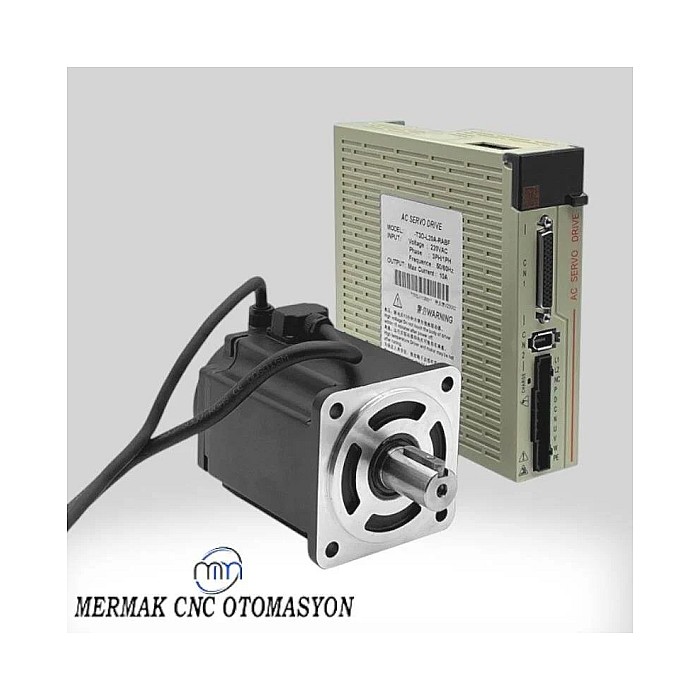
Stopping a CNC control card when a servo drive alarms is fundamentally a matter of safety integration. The process begins when the servo drive detects an internal fault condition. Each servo drive is equipped with one or more alarm outputs that activate under various fault scenarios. These outputs are commonly configured as dry contact relays (Normally Open – NO or Normally Closed – NC) or digital (transistor) outputs. The most common and secure method is to connect this alarm output to the CNC controller’s Emergency Stop (ESTOP) circuit or Machine Ready input. If the alarm output is configured as NO, it closes a contact and sends a signal to the CNC upon an alarm. If configured as NC (considered more secure, as a cable break also triggers the alarm), the contact opens, breaking the safety circuit.
On the CNC controller side, upon receiving this signal at a safety input, the controller initiates a pre-programmed safety protocol. This protocol typically includes:
- Immediate halt of all axis movements: Power is cut to the servo motors, or a braking command is issued.
- Spindle stop: If machining is in progress, the spindle is rapidly brought to a halt.
- System power cut-off: For critical alarms, the main contactor is opened, de-energizing all moving parts. This is often managed by a safety relay or a safety PLC.
- Error message display: The operator is informed about the source and type of the alarm.
The reliability of this integration depends on the quality of the components and the system design. Compliance with international safety standards such as EN ISO 13849-1 and IEC 62061 is essential for achieving the required Performance Level (PL) or Safety Integrity Level (SIL). Higher safety levels often necessitate dual-channel (redundant) wiring, fault-tolerant components, and continuous monitoring. Connecting the drive’s alarm output directly to a safety relay that controls the CNC’s main power supply is a common practice, ensuring an immediate shutdown when the drive alarms.
Braking mechanisms are also important. Some servo drives feature internal braking resistors or regenerative braking for rapid, controlled motor stops. In other cases, mechanical brakes connected to the motor engage. These details directly impact the safe stopping time and distance of the machine.
| Parameter | Value/Description |
|---|---|
| Alarm Output Type | Dry Contact (NO/NC) or Digital Output (24VDC) |
| CNC Input Type | Emergency Stop (ESTOP) or Machine Ready Input |
| Safety Standard Compliance | EN ISO 13849-1 (PLd), IEC 62061 (SIL2) |
| Response Time (Drive-Controller) | Typically < 50ms (system dependent) |
| Braking Method | Dynamic Braking (Internal Resistor), Mechanical Brake, Coast to Stop |
| Wiring | Single Channel (Basic Systems) or Dual Channel Redundant (High Safety) |
| Reset Procedure | Manual Reset, Safety Circuit Check, and Alarm Clearance |
| Communication Protocols (Optional) | FSoE (Functional Safety over EtherCAT), PROFINET Safety |
Important Considerations in Practice
- Correct Integration and Wiring: Ensuring the correct connection between the servo drive’s alarm output and the CNC controller’s safety input is critical. Typically, NO (Normally Open) or NC (Normally Closed) contacts are used. NC contacts are preferred for safety as they trigger an alarm even if the cable breaks. Proper shielding and routing of safety wiring are essential to prevent electromagnetic interference (EMI) and ensure signal integrity.
- Alarm Verification: Always verify the specific alarm codes generated by the servo drive. Different alarms may require different responses. Some minor faults might allow for a controlled stop, while critical faults necessitate an immediate ESTOP.
- System Testing: Regularly test the entire safety circuit, including the servo drive alarm output, the CNC controller’s input, and the subsequent machine shutdown sequence. This ensures the system functions correctly in a real alarm scenario.
- Component Compatibility: Ensure that the servo drive’s alarm output specifications (voltage, current, contact type) are compatible with the CNC controller’s safety input requirements.
- Reset Procedures: Understand the correct procedure for resetting the system after an alarm. This usually involves clearing the fault on the servo drive, resetting the CNC controller, and re-enabling the safety circuit.
Properly integrating servo drive alarms with your CNC control system is a fundamental aspect of industrial machine safety. By understanding the technical principles and implementing best practices, you can significantly enhance the protection of your equipment and personnel. For tailored solutions and expert consultation on integrating advanced motion control systems, request a quote on WhatsApp.