






































































Why Do Linear Bearings Seize Up? Causes and Solutions for Industrial CNC Machines

📑 Table of contents (Click to open)
- Understanding Linear Bearing Seizure in Industrial Machinery
- Principle of Operation and Technical Data
- Mechanical Misalignment Errors
- Insufficient or Incorrect Lubrication
- Contamination and Foreign Particles
- Overloading
- Wear and Tear
- Installation Errors
- Vibration and Shock
- Thermal Expansion
- Material Fatigue and Structural Damage
- Preventive Maintenance and Solutions
- Conclusion
Linear bearings are crucial for precise movement in industrial automation and CNC machines. When they seize, it can halt production. This article explores the common causes of linear bearing seizure, including misalignment, improper lubrication, contamination, overloading, wear, and installation errors. Learn how to diagnose and prevent these issues to ensure optimal performance and longevity of your machinery.
Practical notes for CNC router, automation and industrial motion systems.
Understanding Linear Bearing Seizure in Industrial Machinery
Linear bearings are indispensable components in industrial automation, CNC machines, robotic systems, and precision positioning applications. They enable high-precision linear motion with low friction. However, these critical parts can unexpectedly seize, leading to system downtime or performance degradation. A seized linear bearing means the moving elements (balls, rollers, or sliders) can no longer move freely along the rail, causing excessive friction or complete locking. This is often a symptom of an underlying issue that, if neglected, can result in major failures and costly downtime. The causes can stem from mechanical, environmental, or operational factors, each impacting the overall health of the system differently. This guide provides industrial automation professionals with a comprehensive resource to understand, diagnose, and effectively resolve linear bearing seizure issues.
Principle of Operation and Technical Data
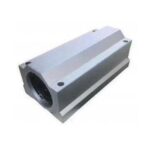
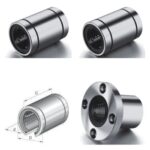
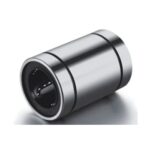
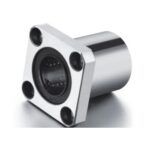
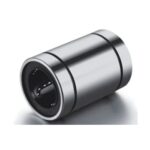
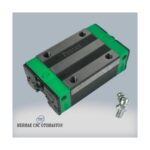
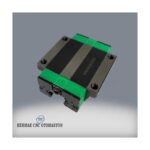
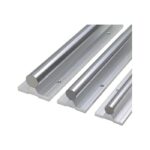
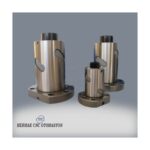
Linear bearings facilitate smooth, low-friction movement along a fixed axis. They typically consist of a bearing housing containing recirculating balls or rollers that run between hardened raceways on a shaft or rail. This design ensures precise, repeatable motion under static and dynamic loads. Key technical specifications include dynamic load capacity (C), which is the maximum load a bearing can handle for a specified life, and static load capacity (C0), the maximum load it can withstand without permanent deformation when stationary. Understanding these parameters is crucial for selecting the right bearing and preventing overload-related failures.
Mechanical Misalignment Errors
Perfect mechanical alignment is paramount for linear bearing systems. Errors in parallelism, flatness, and co-axiality between rails, shafts, and mounting surfaces cause uneven load distribution on the bearing elements. In long-stroke systems or those with dual rails, deviations in rail parallelism can lead to bending and edge loading of the bearings. This increases internal friction, generates heat, and can ultimately cause seizure. Similarly, uneven mounting surfaces can stress the bearing housing and impede smooth motion.

Insufficient or Incorrect Lubrication
Proper lubrication is vital for the longevity and performance of linear bearings. Insufficient lubrication leads to increased friction and heat due to direct metal-to-metal contact, accelerating wear and potentially causing seizure. Using the wrong type of lubricant can also be detrimental. For instance, a low-viscosity grease in a high-temperature application may break down, losing its protective properties. The frequency and amount of lubrication must be precisely managed; over-lubrication can attract contaminants, while under-lubrication fails to provide adequate protection. Maintaining the correct lubricant film is essential.

Contamination and Foreign Particles
Industrial environments are often filled with dust, metal chips, moisture, and chemicals. When these contaminants infiltrate the bearing races or raceways, they can obstruct the movement of bearing elements. Even micro-particles can become trapped between the balls and the rail, causing pitting and surface irregularities. This dramatically increases friction and leads to seizure. Corrosive substances or moisture can also degrade bearing surfaces, increasing roughness and hindering motion.

Overloading
Every linear bearing has defined dynamic and static load capacities. Exceeding these limits can cause permanent deformation of the bearing elements and raceways. Dynamic load capacity refers to the load a bearing can endure over a specific travel distance, while static load capacity is the maximum load it can withstand without deformation when stationary. Overloading can lead to indentations (brinelling) in the ball tracks, disrupting smooth movement and causing seizure. Impact loads can also cause sudden deformation.

Wear and Tear
With continuous use, natural wear occurs on linear bearing elements and raceways. This wear increases internal clearances, reduces motion accuracy, and can lead to irregular movement or seizure. Factors like inadequate lubrication or contamination accelerate this wear process. Corrosion also contributes by creating surface roughness, further increasing wear and setting the stage for seizure.
Installation Errors
Improper installation is a frequent cause of linear bearing seizure. This includes incorrect mounting torque, inaccurate tolerance application, or failure to properly seat bearing blocks onto the rails. Such errors induce internal stresses within the bearing system, leading to seizure. For example, over-tightening bearing blocks can directly cause the elements to bind. Misaligned mounting holes or surface imperfections also prevent the bearing from functioning correctly.
Vibration and Shock
High levels of vibration or repeated shock loads can cause micro-damage to bearing elements and raceways. This can accelerate the formation of indentations (brinelling), especially when the machine is stopped or changing direction, leading to seizure. Vibration can also disrupt the lubricant film, increasing wear.
Thermal Expansion
Temperature fluctuations can cause differential thermal expansion between the bearing components and the surrounding structure. In environments with significant temperature variations, the clearances within the bearing may decrease or increase, leading to internal stress and potential seizure. Careful material selection and design considerations are necessary to mitigate these effects.
Material Fatigue and Structural Damage
Prolonged use and cyclic loading can lead to material fatigue in linear bearings. This can manifest as surface cracks and eventual degradation of the structural integrity of the bearing elements or rail. Such damage can result in sudden and unexpected bearing seizure.
| Parameter | Description |
|---|---|
| Dynamic Load Capacity (C) | Maximum load a bearing can handle for a specified life (kN). |
| Static Load Capacity (C0) | Maximum load a bearing can withstand without permanent deformation when stationary (kN). |
| Friction Coefficient | Ratio of friction force to applied load; crucial for efficiency. |
| Operating Temperature Range | The ambient and operational temperature limits for optimal performance. |
| Lubrication Type | Recommended grease or oil for maintaining performance and longevity. |
Preventive Maintenance and Solutions
To prevent linear bearing seizure and ensure the reliable operation of your CNC router machine or other automated systems, a proactive maintenance strategy is essential:
- Regular Inspection: Periodically check for signs of wear, damage, corrosion, or contamination. Listen for unusual noises during operation.
- Proper Lubrication: Adhere strictly to the manufacturer’s lubrication schedule and use the recommended lubricant type and quantity. Consider automated lubrication systems for critical applications.
- Contamination Control: Implement effective sealing solutions (e.g., wipers, bellows) to protect bearings from dust, chips, and moisture. Maintain a clean operating environment.
- Alignment Verification: Regularly check and correct any misalignment issues in the mounting surfaces and rails. Use precision measurement tools for accuracy.
- Load Monitoring: Ensure that the operating loads do not exceed the bearing’s rated capacity. If necessary, upgrade to bearings with higher load ratings or redesign the system.
- Environmental Control: Manage operating temperatures and protect bearings from corrosive elements where possible.
Addressing these factors systematically will significantly reduce the risk of linear bearing seizure, prolonging the life of your industrial CNC router components and minimizing costly production interruptions.
Conclusion
Linear bearing seizure is a critical issue that can severely impact the performance and uptime of industrial machinery. By understanding the common causes—ranging from mechanical misalignment and improper lubrication to contamination and overloading—operators and maintenance teams can implement targeted preventive measures. Regular inspections, diligent lubrication, effective contamination control, and precise alignment are key to ensuring the smooth, reliable operation of linear bearing systems. Investing in proper maintenance not only prevents costly downtime but also maximizes the efficiency and lifespan of your valuable automation equipment.
Is your CNC machinery experiencing issues with linear bearings? Ensure optimal performance and prevent costly downtime. Request a quote on WhatsApp for expert consultation and solutions.
Related product categories: Genel · Mekanik · 25 Mm Lineer Kızak, Rulman Ve Yataklar
