





































































What Happens When Jaw Coupling Elastomers Wear Out?

📑 Table of contents (Click to open)
Practical notes for CNC router, automation and industrial motion systems.
Understanding Jaw Coupling Elastomer Wear in Industrial Machinery
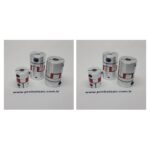
In industrial automation and drive systems, jaw couplings are critical components that connect two shafts, transmitting torque while simultaneously damping vibration, absorbing shock loads, and tolerating minor shaft misalignment. The most vital part of these couplings is the flexible elastomer element, often called a “spider” or “star,” situated between the metal jaws. This elastomer is typically made from materials like polyurethane, NBR, or Hytrel, providing the coupling’s flexibility and damping capabilities.
Over time, due to continuous operation, overloading, high temperatures, chemical exposure, material fatigue, or improper alignment, the jaw coupling elastomer can wear out, crack, harden, or deform. This degradation diminishes its ability to function effectively, leading to significant negative impacts on connected machinery. Worn elastomers can increase metal-to-metal contact between the jaws, causing damage and accelerating wear.
How Jaw Coupling Elastomers Work and Technical Data
Jaw couplings operate with two interlocking metal hubs and a central elastomer element. Torque from the driving shaft is transferred through the jaws of one hub to the elastomer, which then transmits it to the jaws of the other hub. The elastomer’s flexibility allows it to absorb system vibrations and shock loads. It also accommodates minor angular, parallel, and axial misalignments through its deformability.
When the elastomer wears, this operational principle is compromised. The material and hardness of the elastomer directly influence the coupling’s performance. Softer elastomers offer better vibration damping, while harder ones provide higher torque capacity and reduced backlash. However, wear begins with the degradation of the material’s molecular structure, leading to a loss of physical integrity.
A worn elastomer can no longer transmit torque smoothly. Increased play between the jaws results in impact during each torque cycle. These impacts subject not only the coupling but also the motor bearings, gearboxes, pump seals, and other sensitive machine components to high stress. This can lead to costly repairs and production line downtime. Therefore, selecting the correct elastomer material and performing regular maintenance are crucial.
| Parameter | Value/Description |
|---|---|
| Elastomer Material Types | Polyurethane (common), NBR (oil-resistant), Hytrel (high torque/temp), Bronze (zero backlash) |
| Shore Hardness Range | 85A – 98A (Polyurethane), 92A (NBR), 63D (Hytrel) – Selected per application |
| Operating Temperature Range | -40°C to +100°C (Varies by material and brand) |
| Torque Transmission Capacity | Up to 150% of nominal torque (for transient peaks), dependent on elastomer hardness |
| Misalignment Tolerance | Angular (1°-3°), Parallel (0.2-0.5 mm), Axial (0.5-1.5 mm) – Determined by elastomer flexibility |
| Expected Lifespan | 1-5 years (Varies based on application conditions, load profile, and environmental factors) |
| Maintenance Frequency | Visual inspection every 3-6 months, detailed review annually, replacement as needed |
Key Considerations in the Field
- Regular Visual Inspection and Sound Monitoring: Periodic visual inspection of the coupling elastomer is critical for early detection of wear. Look for signs such as cracks, tears, discoloration, hardening, deformation, or material loss. Additionally, abnormal noises (clicking, grinding, squeaking) or increased vibration levels during machine operation are strong indicators of elastomer wear or impending failure. These checks should be integrated into planned maintenance routines.
- Evaluating Environmental Factors: Numerous environmental factors can shorten the lifespan of jaw coupling elastomers. High operating temperatures can degrade the elastomer’s chemical structure, leading to hardening and cracking. Exposure to chemical vapors, oils, acids, or solvents can cause the elastomer to swell, soften, or dissolve. Excessive dust, dirt, or moisture can also accelerate the wear process. Therefore, selecting a material suitable for the operating environment and using protective covers where necessary is important.
- Proper Installation and Alignment: Shaft alignment is one of the most significant factors affecting elastomer life. Ensuring alignment is within manufacturer tolerances during initial installation prevents unnecessary stress on the elastomer. Excessive angular, parallel, or axial misalignment can cause continuous and uneven stress on the elastomer, leading to premature wear and tearing. Precise alignment using tools like laser alignment devices should be performed and checked periodically. Also, ensure the coupling elastomer is correctly seated and that tightening torques comply with manufacturer specifications during installation.
- Load Profile and Overloading: The torque loads and shock loads experienced by the system directly impact the wear rate of the coupling elastomer. Operating continuously above the nominal torque capacity or experiencing sudden, high shock loads can fatigue and rapidly degrade the elastomer. A coupling and elastomer with adequate safety margins should be selected based on the application’s actual load profile. Using overload protection systems or torque limiters can help extend elastomer life.

Common Problems and Solutions
When jaw coupling elastomers wear out or fail, the primary issues encountered in the field and their solutions are:
- Problem: Excessive Vibration and Abnormal Noise (Clicking, Grinding)
Description: Loss of elastomer flexibility, cracking, or disintegration causes the metal jaws to start impacting each other. This imposes unbalanced loads on the system, generating high vibration and clicking sounds.
Solution: Immediately stop the machine. Remove the coupling’s protective cover and visually inspect the elastomer. Replace any damaged or worn elastomer with the manufacturer-recommended spare part. After replacement, check and correct shaft alignment if necessary.
- Problem: Torque Loss and Slippage
Description: When the elastomer material is fatigued or deformed, the grip between the jaws weakens. This results in insufficient torque transmission to the driven side, and the coupling may “slip,” meaning the motor rotates, but the load does not, or rotates slowly.
Solution: This indicates the elastomer is completely worn and has lost its torque transmission capability. Replace the coupling elastomer with a new one of appropriate hardness. Review the system’s load requirements to assess if the current coupling is adequate.
- Problem: High Temperature Increase Around the Coupling
Description: A worn elastomer leads to increased friction and energy loss between the jaws. This friction can cause an abnormal temperature rise in the coupling area. High temperatures can degrade the elastomer further and potentially damage other nearby components. This often signifies severe wear and potential misalignment.
Solution: Stop the machine and allow it to cool. Inspect the elastomer for signs of severe wear, cracking, or melting. Check shaft alignment meticulously. Replace the elastomer and consider if a more heat-resistant material is required for the application. Ensure proper ventilation around the coupling.
- Problem: Visible Cracks or Tears in the Elastomer
Description: This is a direct sign of material fatigue, excessive stress, or exposure to incompatible chemicals or temperatures. Cracks allow debris ingress and can quickly lead to complete failure.
Solution: Replace the elastomer immediately. Investigate the root cause: check for misalignment, overloading, or environmental contamination. Ensure the replacement elastomer is compatible with the operating conditions.
Preventive Maintenance for Longevity
To prevent premature wear and ensure the longevity of jaw coupling elastomers, a proactive maintenance strategy is essential. This includes:
- Scheduled Inspections: Integrate regular visual checks of the elastomer into your machine maintenance schedule. Look for the wear signs mentioned above.
- Environmental Control: Minimize exposure to extreme temperatures, corrosive chemicals, and excessive dust or moisture. Use protective covers if necessary.
- Alignment Verification: Periodically verify shaft alignment, especially after any maintenance on connected equipment. Use precision alignment tools.
- Load Monitoring: Ensure the coupling is correctly sized for the application’s load requirements. Avoid frequent overloading.
- Correct Replacement Parts: Always use high-quality replacement elastomers specified by the coupling manufacturer and suitable for your operating conditions.
By understanding the causes and symptoms of elastomer wear and implementing a robust preventive maintenance program, you can significantly extend the life of your jaw couplings, reduce unexpected downtime, and maintain the efficiency and reliability of your industrial machinery. For solutions and expert advice on coupling components and power transmission systems, contact Mermak CNC.
Need to ensure your machinery runs smoothly? Request a quote on WhatsApp for reliable coupling solutions and expert support!
Related product categories: Genel · Mafsal Kafa · 25 Mm Lineer Kızak, Rulman Ve Yataklar