








































































Improving Surface Quality in CNC Machining: A Comprehensive Guide

📑 Table of contents (Click to open)
- Understanding Surface Quality in CNC Machining
- Key Factors Influencing Surface Quality
- 1. Tool Selection and Condition
- 2. Optimization of Cutting Parameters
- 3. Machine Rigidity and Vibration Control
- 4. Cooling and Lubrication
- 5. Toolpath Strategy
- 6. Material Properties
- Practical Considerations on the Shop Floor
Practical notes for CNC router, automation and industrial motion systems.
Understanding Surface Quality in CNC Machining
In the realm of industrial automation and manufacturing, the quality of the surface finish achieved through CNC (Computer Numerical Control) machining is paramount. It directly influences a component’s aesthetic appeal, functional performance, and overall lifespan. For critical sectors like aerospace, medical devices, automotive, and mold making, achieving high precision and an impeccable surface finish is not just desirable but essential. Surface quality is typically quantified using parameters such as Ra (Average Roughness) and Rz (Maximum Roughness Depth). Lower values indicate a smoother surface. Improving surface quality in CNC operations offers multifaceted benefits, including enhanced fatigue life, reduced friction, increased corrosion resistance, and precise assembly fit.
Key Factors Influencing Surface Quality
Achieving superior surface quality in CNC machining is a synergistic process involving several critical elements:
1. Tool Selection and Condition
- Tool Geometry: The rake angle, helix angle, nose radius, and flute count of a cutting tool significantly impact the chip formation process and the resulting surface roughness. A larger nose radius generally leads to a smoother finish but can increase the risk of vibration. Sharper cutting edges reduce cutting forces and improve surface finish.
- Tool Material and Coating: Selecting the appropriate tool material (e.g., carbide, HSS, ceramic) and coatings (e.g., TiN, TiAlN, AlTiN) based on the workpiece material is crucial. Coatings enhance tool life, reduce friction, prevent chip adhesion, and contribute to a better surface finish.
- Tool Wear: Dull or worn tools increase cutting forces, induce vibration, and cause material tearing, all of which degrade surface quality. Regular monitoring of tool life and timely replacement are essential.
- Tool Runout: Wobble or runout, caused by improper tool clamping or inaccuracies in the tool holder, results in uneven cutting by each cutting edge, leaving distinct marks on the surface. Even minor runout can significantly impact surface finish. Utilizing precision tool holders (e.g., hydraulic, shrink-fit) minimizes runout.
2. Optimization of Cutting Parameters
- Feed Rate: The distance the tool travels per revolution or per minute. Excessive feed rates can exaggerate tool marks, increasing roughness. Conversely, very low feed rates can lead to rubbing and heat buildup. Feed rate should be proportional to the tool’s nose radius.
- Spindle Speed: The rotational speed of the spindle. Higher speeds can reduce machining time and often yield smoother surfaces, but they also increase heat generation and wear. The optimal cutting speed (m/min) must be determined based on the material and tool type.
- Depth of Cut (Ap) and Width of Cut (Ae): These parameters define the amount of material removed. For finishing passes, smaller depths and widths of cut are typically employed to enhance surface quality. High-Efficiency Milling (HEM) strategies often use a small width of cut (Ae) with a larger depth of cut (Ap) to extend tool life while maintaining surface integrity.
3. Machine Rigidity and Vibration Control
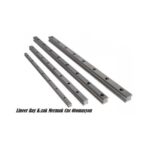
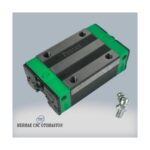
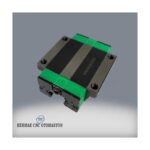
- Machine Structure: A robust machine frame, a rigid spindle, and precise linear guide rails are vital for absorbing vibrations during cutting, ensuring stability. Play in older or poorly maintained machines can amplify vibrations.
- Workpiece Clamping: Secure and vibration-free clamping of the workpiece to the machine table is critical. Inadequate fixturing can lead to workpiece vibration or movement, resulting in surface irregularities.
- Vibration Damping: Employing vibration-damping elements in tool holders or specialized adapters can reduce resonance and improve surface finish.
4. Cooling and Lubrication
- Coolant Type: Selecting the correct cutting fluid (emulsion, synthetic, semi-synthetic) for the material and tool is important. Coolant removes heat from the cutting zone, reduces friction, and prevents chip buildup.
- Application Method: Advanced methods like high-pressure coolant, Minimum Quantity Lubrication (MQL), or mist cooling can improve coolant delivery to the cutting zone, extending tool life and enhancing surface quality.
5. Toolpath Strategy
- Roughing and Finishing Passes: While roughing focuses on high material removal rates, finishing passes prioritize surface quality. Finishing typically involves lighter cuts, higher speeds, and lower feed rates.
- Climb vs. Conventional Milling: Climb milling, where the tool rotates in the same direction as the feed, generally results in better surface finish and longer tool life compared to conventional milling.
- Stepover: The lateral distance between adjacent tool paths, particularly on 3D surfaces. A smaller stepover creates finer ” scallops” on the surface, leading to a smoother finish but increasing machining time.
6. Material Properties
The inherent characteristics of the workpiece material—such as hardness, toughness, thermal conductivity, and chemical composition—significantly influence cutting performance and surface finish. Easily machinable materials tend to yield better results, while gummy or hard materials require specialized tooling and parameters.
Practical Considerations on the Shop Floor
- Tool and Holder Inspection: Before each operation, visually inspect cutting tools for wear, chipping, or breakage. Ensure tools are correctly seated in their holders. Periodically check tool runout using a dial indicator to prevent unexpected surface defects. Using high-precision hydraulic or shrink-fit tool holders is recommended for optimal results.
- Workpiece Fixturing: Verify that the workpiece is securely and rigidly clamped. Any movement or vibration during machining will compromise the surface finish. For complex parts, consider using vacuum tables for uniform holding pressure.
- Parameter Verification: Double-check programmed cutting parameters against recommended values for the specific material and tool. Small adjustments in feed rate or spindle speed can make a significant difference.
- Coolant Delivery: Ensure coolant nozzles are correctly positioned and delivering adequate flow to the cutting zone. For MQL systems, confirm the correct mist concentration.
- Machine Maintenance: Regular maintenance of the CNC router machine, including lubrication of linear guide rails and checking for play in the servo drive systems, is crucial for consistent performance and surface quality.
By meticulously controlling these factors, manufacturers can significantly enhance the surface quality of their CNC machined parts, leading to improved product performance and customer satisfaction. For advanced CNC solutions that deliver exceptional precision and surface finish, explore Mermak CNC’s range of industrial CNC router machines.
Ready to elevate your production capabilities? Request a quote on WhatsApp for our state-of-the-art CNC machinery.
Related product categories: Genel · Turuncu Makine Ayağı · Takım Tutucu Kovanlar
