









































































CNC Machine Precision: The Critical Roles of Frame, Linear Guides, and Motors

📑 Table of contents (Click to open)
- Understanding CNC Machine Precision: Frame, Linear Guides, and Motors
- The Pillars of Precision: Frame, Linear Guides, and Motors Explained
- 1. The Frame (Chassis): The Foundation of Accuracy
- 2. Linear Guide Rails: The Path of Precision Movement
- 3. Motors: The Driving Force for Precision
- Technical Specifications Comparison
- Critical Considerations for Optimal Precision
- Conclusion: A Systemic Approach to Precision
Discover the key components that determine the precision of an industrial CNC router machine. This article delves into the crucial roles of the machine’s frame (chassis), linear guide systems, and motors, explaining how each contributes to overall accuracy and repeatability. Essential reading for optimizing your CNC operations.
Practical notes for CNC router, automation and industrial motion systems.
Understanding CNC Machine Precision: Frame, Linear Guides, and Motors
In the realm of industrial automation, machine precision is paramount. It directly influences product quality, adherence to tight tolerances, and overall manufacturing efficiency. For high-precision machinery like CNC routers, robotic systems, and assembly lines, the interplay between the core structural elements – the frame (chassis), the linear guide systems, and the motors – is critical. While each component plays a distinct role, their collective quality and integration dictate the machine’s ultimate accuracy and repeatability. However, if we must establish a hierarchy, the frame and linear guide systems, which form the machine’s physical foundation and define its motion path, are the most fundamental determinants of its inherent geometric accuracy and rigidity. Motors, in turn, optimize dynamic positioning and precision within the boundaries set by this mechanical infrastructure.
The Pillars of Precision: Frame, Linear Guides, and Motors Explained
Machine precision refers to a system’s ability to reach and maintain a specific position accurately and repeatably. This can be categorized into static precision (geometric accuracy when stationary or at low speeds) and dynamic precision (positioning performance during high-speed movements and accelerations). Let’s examine the specific contributions of each key component:
1. The Frame (Chassis): The Foundation of Accuracy
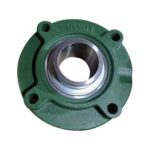
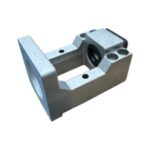
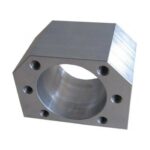
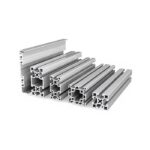
The machine frame, or chassis, is the foundational structure that supports all other components, maintaining their precise geometric relationships. For a precision machine, the frame serves as the ‘zero reference’. Its rigidity, vibration-damping capabilities, thermal stability, and manufacturing accuracy are direct determinants of the machine’s overall precision. An insufficiently rigid frame will flex under operational forces, leading to positioning errors. Vibrations, especially during high-speed operations, can severely impact surface finish and accuracy. Thermal expansion and contraction due to temperature fluctuations can cause dimensional deviations. Consequently, high-precision machines often utilize materials like granite, cast iron, or specially welded and stress-relieved steel structures. The machining precision of the frame’s mounting surfaces is crucial for the accurate installation of linear guide systems.
2. Linear Guide Rails: The Path of Precision Movement
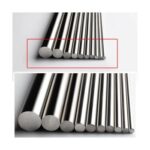
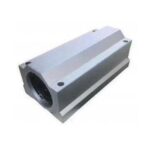
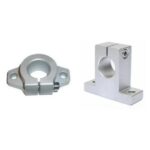
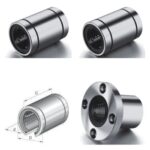
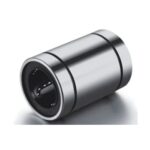
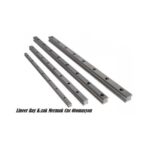
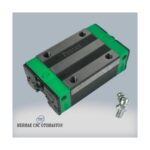
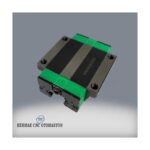
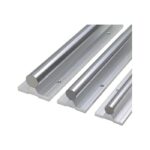
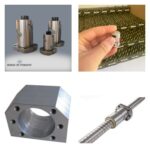
Linear guide systems ensure that the machine’s moving axes travel along their intended paths with minimal friction and maximum rigidity. These typically include linear guideways (ball or roller type), ball screws, or hydrostatic/aerostatic bearings. The precision of the linear guide system directly defines the machine’s geometric tolerances, such as straightness, parallelism, and perpendicularity. The flatness of the mounting surfaces, the manufacturing tolerances of the guides themselves, the parallelism between guides, and their load-bearing capacity (along with pre-load) are essential for ensuring system rigidity and backlash-free motion. High-quality linear guides can offer straightness and repeatability in the sub-micron range. Any play (backlash), friction variations, or wear in the guides will lead to positioning errors and repeatability issues.

3. Motors: The Driving Force for Precision
Motors, typically servo motors or stepper motors, drive the mechanical components along the linear guide systems. A motor’s precision is primarily determined by its encoder resolution, the servo loop speed of the controller, and the quality of its tuning. High-resolution encoders provide highly accurate feedback on the motor’s rotational position, enabling finer positioning control. Servo motors, operating in a closed-loop system, can reach target positions quickly and accurately. However, even the most precise motor cannot compensate for a non-rigid frame or backlash in the linear guides; these mechanical deficiencies will negate the motor’s inherent accuracy. The motor’s torque capacity, acceleration/deceleration capabilities, and vibration characteristics also influence dynamic precision. Direct drive motors eliminate mechanical transmission elements like gearboxes or belts, minimizing backlash and compliance issues, making them ideal for ultra-precision applications.

Technical Specifications Comparison
| Parameter | Specification/Description |
|---|---|
| Frame Material | Granite, Cast Iron, Special Steel Alloys (High rigidity, vibration damping) |
| Frame Rigidity | Modulus of Elasticity (Young’s Modulus), Damping Coefficient (Higher values indicate better precision) |
| Linear Guide Straightness | Micron level (e.g., ±1 µm/300mm deviation along the axis of motion) |
| Linear Guide Repeatability | Positioning repeatability (e.g., ±0.5 µm), accuracy of returning to the same point |
| Linear Guide Preload | Eliminates play and increases rigidity (Light, medium, heavy options) |
| Motor Encoder Resolution | PPR (Pulses Per Revolution) or bit count (e.g., 20-bit, 1,048,576 PPR), precision of motor angular positioning |
| Motor Positioning Repeatability | Deviation of motor returning to the same position (e.g., ±0.001 degrees) |
Critical Considerations for Optimal Precision
- Mounting Accuracy and Leveling: The precise leveling of the machine frame on its foundation is fundamental. The flatness, parallelism, and perpendicularity of the frame’s mounting surfaces for the linear guides directly impact the performance of the entire motion system. Even micron-level mounting errors can compromise final accuracy. Therefore, post-installation checks using precision leveling tools, laser interferometers, and auto-collimators are essential.
- Environmental Control: Factors such as ambient temperature, humidity, vibrations, and dust significantly affect machine precision. Temperature fluctuations, in particular, cause thermal expansion and contraction in materials, leading to dimensional and geometric deviations. Maintaining a stable operating environment is crucial for consistent high-precision performance.
- Component Quality and Integration: Using high-quality components for the frame, linear guides, and motors is necessary but not sufficient. Their seamless integration, proper alignment, and correct configuration within the control system are equally vital. Regular maintenance, including lubrication and inspection for wear, ensures long-term precision.
Conclusion: A Systemic Approach to Precision
While the frame and linear guide systems lay the groundwork for a CNC machine’s inherent accuracy, the motors provide the dynamic control to achieve that precision in operation. Neglecting any of these core elements—whether it’s an inadequate frame, low-quality linear guides, or poorly tuned motors—will inevitably lead to compromised results. For manufacturers demanding the highest levels of accuracy and repeatability from their industrial CNC router machines, investing in robust, high-quality components and ensuring their meticulous integration is not an option, but a necessity. Understanding the specific role and technical requirements of each component allows for informed decisions when selecting or upgrading CNC equipment.
Ready to enhance your manufacturing precision? Request a quote on WhatsApp for Mermak CNC solutions tailored to your high-accuracy needs.
Related product categories: Genel · Mekanik · 60 Gövde Servo Motor Planet Redüktörler