


































































Why Does a Ball Screw Make Noise? Causes and Solutions

📑 Table of contents (Click to open)
Ball screws are critical for precise linear motion in CNC machines. Unwanted noise can indicate underlying issues. This article explores the common causes of ball screw noise, including improper installation, lubrication, overload, contamination, and wear. Learn how to diagnose and resolve these problems to maintain optimal performance and extend the life of your CNC equipment.
Practical notes for CNC router, automation and industrial motion systems.
Understanding Ball Screw Noise: Causes and Solutions for Industrial CNC Applications
Ball screws are indispensable components in industrial automation, converting rotary motion into high-precision linear motion. They are fundamental to the operation of CNC router machines, robotic systems, and precision positioning stages. The smooth, vibration-free operation of a ball screw is crucial for maintaining accuracy and efficiency. However, various factors can lead to unwanted noise, ranging from a subtle hum to a disruptive grinding sound. Recognizing these sounds as potential indicators of underlying issues is the first step toward ensuring the longevity and optimal performance of your machinery.
Noise from a ball screw typically signifies that the system is deviating from its ideal operating conditions. This can compromise machining accuracy, accelerate wear, and potentially lead to costly downtime. A thorough understanding of the causes of ball screw noise is essential for effective diagnosis and maintenance in industrial settings.
The Working Principle of Ball Screws
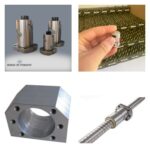
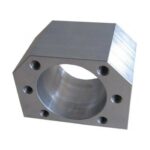
A ball screw assembly consists of a screw shaft and a ball nut that travels along it. Precision-ground helical grooves on both the screw and the nut guide a set of recirculating ball bearings. These balls enable the nut to move along the screw with very low friction, transforming rotational input into precise linear output. This rolling friction mechanism offers significantly higher efficiency (up to 90%) and accuracy compared to traditional lead screws.
Ball screws are broadly categorized into two types: ground ball screws and rolled ball screws. Ground screws offer superior accuracy (e.g., C0, C1, C3 classes) and quieter operation, making them ideal for high-precision applications. Rolled screws are more cost-effective but have wider tolerances (e.g., C5, C7, C10 classes). The materials used are typically high-carbon alloy steels, often surface-hardened to enhance wear resistance. Preload, the intentional application of a compressive load on the ball bearings, is critical for minimizing backlash and increasing rigidity. Improper preload is a common source of noise.
Key Technical Data Affecting Noise Levels
Several technical specifications directly influence a ball screw’s operational noise:
| Parameter | Value/Description |
|---|---|
| Accuracy Class | C0 (Ultra High) – C10 (Low). Higher accuracy generally correlates with lower noise. |
| Preload | Reduces backlash, increases rigidity. Insufficient preload can cause rattling. |
| Dynamic Load Capacity (Ca) | Maximum load the screw can withstand for a specified life. Exceeding this causes noise and wear. |
| Static Load Capacity (Coa) | Maximum load the screw can withstand when stationary. |
| Critical Speed | Rotational speed at which resonance may occur. Operating near this speed causes significant vibration and noise. |
| Lubrication Type | Grease or oil. Proper lubrication minimizes friction and noise. |
| Material Hardness | Typically HRC 58-62 surface hardness. Insufficient hardness leads to premature wear. |
| Operating Temperature | Usually -20°C to +80°C. Extreme temperatures can degrade lubricant performance. |
Common Causes of Ball Screw Noise and Practical Solutions
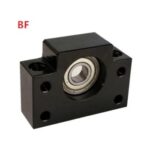
- Improper Installation and Misalignment: Even minor misalignment during installation can cause significant noise. The ball screw must be perfectly parallel and concentric with its mounting points and the drive system. Misalignment leads to bending, excessive stress, binding of the ball nut, and uneven load distribution on the balls. This often manifests as grinding or humming noises, especially at higher speeds. Using laser alignment tools and precision measurement is crucial. Correct selection and mounting of end support bearings also minimize vibration and noise.
- Inadequate or Incorrect Lubrication: Regular and correct lubrication is vital for reducing friction, preventing wear, and controlling heat. Insufficient lubrication leads to metal-to-metal contact, increased friction, overheating, and audible squeaking or grinding. Using the wrong type of lubricant (e.g., incorrect viscosity) or neglecting lubrication intervals can have similar effects. Always use the lubricant type and quantity recommended by the manufacturer and regularly inspect lubrication points.
- Overloading and Exceeding Speed Limits: Ball screws have defined dynamic and static load capacities. Exceeding these limits can cause premature fatigue and deformation of the balls and raceways, leading to rattling or knocking sounds. Similarly, operating the screw at or near its critical speed can induce resonance, resulting in high-frequency vibrations and a loud humming noise. Always respect the load and speed limitations specified for the ball screw in your CNC router machine or other industrial equipment.
- Contamination and Environmental Factors: Industrial environments often expose machinery to dust, chips, moisture, and chemical vapors. Contaminants can infiltrate the ball nut, accumulating in the ball tracks, hindering smooth ball circulation, increasing friction, and causing noise. Fine particles can create micro-pitting on ball surfaces, accelerating wear and noise. Protecting the ball screw with bellows or effective wiper seals, maintaining a clean operating environment, and regular cleaning are essential preventative measures.
- Loss of Preload and Wear: Over time or due to excessive loads, the initial preload in a ball screw can diminish. This loss of preload creates play between the balls and the raceways. During direction changes or under vibration, this play causes the balls to impact the raceways, producing a distinct “clicking” or “rattling” sound. Natural wear of the balls and raceways also increases surface roughness, contributing to noise. Periodic checks of preload and replacement of worn components are necessary to maintain quiet operation.
Addressing ball screw noise requires a systematic approach, starting with careful inspection and diagnosis. By understanding these common causes and implementing appropriate maintenance and operational practices, you can ensure the reliable and quiet performance of your industrial CNC equipment. If you are experiencing persistent issues with your CNC machinery’s ball screws, don’t hesitate to seek expert advice.
Need to ensure your CNC machinery operates at peak performance? Request a quote on WhatsApp today and let our experts help you find the right solutions.
Related product categories: Vidalı Mil · Genel · Allen (Alyan) Başlı İmbus Civata