








































































When Does Spindle Bearing Replacement Become Necessary?

📑 Table of contents (Click to open)
Practical notes for CNC router, automation and industrial motion systems.
Understanding Spindle Bearing Replacement Needs
Spindle bearing replacement is essential when symptoms such as increased noise, excessive vibration, high operating temperatures, a decline in machining accuracy, or noticeable play in the spindle shaft are observed. These indicators signal that the bearings have reached the end of their service life and require immediate attention. Proactive replacement, based on preventive maintenance schedules and end-of-life assessments, is crucial for maintaining machine health and production efficiency.
The Critical Role of Spindle Bearings in CNC Machines
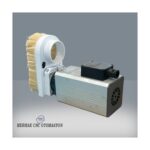
In industrial automation, particularly within CNC machining centers, grinding machines, lathes, and high-speed processing equipment, the spindle is the core component. Designed for high-speed, precision operation, the spindle relies heavily on its bearings to ensure smooth rotation while supporting significant radial and axial loads. The performance of these spindle bearings directly impacts the overall performance, machining accuracy, and quality of manufactured parts. Therefore, replacing spindle bearings is an unavoidable maintenance task when these critical components wear out, fail, or lose their effectiveness, ensuring the machine continues to operate efficiently and reliably.
The lifespan of bearings is influenced by numerous factors, including operating conditions, load, speed, lubrication quality, and environmental factors. Over time, bearings naturally wear, their internal clearances increase, and micro-cracks can form on the rolling elements and raceways. These conditions negatively affect the machine’s machining capabilities, potentially leading to production downtime, substandard product output, and more severe mechanical failures. Consequently, spindle bearing replacement is not merely a repair task but a vital maintenance procedure that safeguards production continuity, machining precision, and the longevity of the machine investment.
Operating Principles and Technical Data
Spindle bearings are typically specialized types, such as angular contact ball bearings or cylindrical roller bearings, engineered for high-speed and precision applications. Their function is to facilitate the spindle’s rotation while absorbing the stresses from cutting forces, vibrations, and thermal expansion. The fundamental principle involves the rolling elements (balls or rollers) rotating between the inner and outer races with minimal friction, distributing the load. In high-precision spindle applications, proper bearing preloading and lubrication are paramount. Preload enhances bearing stiffness, reduces vibration, and improves the spindle’s static and dynamic rigidity.
Key technical data and factors influencing bearing life include:
- Load Capacity: The maximum radial and axial loads a bearing can withstand. Exceeding these limits significantly shortens bearing life.
- Speed Limit (RPM): The maximum safe rotational speed. At high speeds, friction and heat generation become critical concerns.
- Lubrication Type and Quantity: The choice of grease or oil, lubrication frequency, and amount directly affect bearing life and operating temperature. Inadequate or incorrect lubrication leads to overheating and rapid wear.
- Operating Temperature: The optimal temperature range for bearing performance. Excessive temperatures can degrade lubricant and cause material fatigue.
- Precision Class: Bearing precision defined by ISO/ABEC standards (e.g., ABEC 7, ABEC 9). Higher ABEC classes are required for high-precision applications.
- Material and Construction: The quality of bearing steel, cage material, and internal geometry influence durability and performance.
- Vibration and Balancing: Spindle imbalance or external vibrations impose additional stress on bearings, reducing their lifespan.
Deviations in any of these technical parameters can lead to premature bearing fatigue and failure. Therefore, regular monitoring and early detection of changes in these parameters are critical for determining the optimal time for spindle bearing replacement.
| Parameter | Value/Description |
|---|---|
| Bearing Type | Typically Angular Contact Ball Bearings (e.g., 70xx, 72xx series) or Hybrid Bearings (ceramic balls) |
| Operating Temperature Range | Typically 20°C – 60°C (Critical upper limit usually 70°C – 80°C) |
| Maximum Speed (RPM) | Varies by application (from 10,000 RPM to 120,000 RPM) |
| Load Capacity | Dynamic (C) and Static (Co) load ratings depend on bearing size and type. |
| Lubrication Type | Grease (lifetime or periodic), Oil-Air, Oil Jet (for high-speed spindles) |
| Precision Class | ABEC 7 (P4), ABEC 9 (P2) – for high-precision applications |
| Vibration Level (Normal/Critical) | Normal 1.5 mm/s RMS (per ISO 10816 standards) |
| Preload | Light, Medium, Heavy (adjusted based on application rigidity and speed requirements) |
Field Considerations for Spindle Bearing Health
- Continuous Condition Monitoring: This is a highly effective method for tracking spindle bearing health. Vibration analysis can detect bearing defects and imbalances early. Temperature measurements using thermal cameras or non-contact thermometers can identify critical overheating issues. Acoustic emission analysis can even detect incipient bearing faults like micro-cracks. Regular collection and analysis of this data are vital for predicting when spindle bearing replacement is necessary.
- Periodic Maintenance and Lubrication Schedules: Adhere to the manufacturer’s recommended lubrication and cleaning intervals. Using the correct type and amount of lubricant significantly extends bearing life. Any issues with the lubrication system (blockages, leaks, incorrect lubricant) can trigger bearing failures. Regular checks on the quality and cleanliness of lubricating grease or oil are essential.
- Monitoring Machining Quality and Precision Loss: Deterioration in part surface finish, dimensional inaccuracies, or repeatability issues can indicate developing play or wear in spindle bearings. These micron-level changes suggest the bearings can no longer provide the required rigidity, impacting machining precision. If such issues arise, a thorough inspection of the spindle is mandatory.
- Assembly Quality and Expertise: Installing new bearings is a highly precise operation requiring specialized tools and significant expertise. Improper installation (e.g., striking bearings with a hammer, incorrect preload application, working in a contaminated environment) can cause even new bearings to fail prematurely. Cleanliness, correct preload adjustment, and precise alignment during installation are indispensable for ensuring bearings perform to their full potential. Engaging authorized service or expert technicians is crucial for protecting your investment.
- Spindle Balancing: Dynamic balancing of the spindle may be necessary after bearing replacement or significant maintenance. Imbalance leads to vibration at high speeds, placing excessive stress on bearings and shortening their life. Balancing ensures optimal spindle performance and prevents premature bearing wear.
- Control of Environmental Conditions: Dust, moisture, temperature fluctuations, and chemical vapors in the operating environment can negatively impact bearing life. Maintaining a clean and controlled environment around the machine helps protect bearings and other sensitive components. Ensure that barriers and seals preventing coolant and chip ingress into bearings are intact.

When your CNC router machine or industrial CNC router exhibits signs of bearing wear, prompt action is crucial. Addressing these issues proactively can prevent costly downtime and ensure the continued precision of your operations. If you suspect your spindle bearings require attention, don’t hesitate to reach out for expert assessment and service.
Ready to ensure your CNC machinery operates at peak performance? Request a quote on WhatsApp for expert spindle maintenance and bearing replacement services.
Related product categories: Genel · 25 Mm Lineer Kızak, Rulman Ve Yataklar · 20 Mm Lineer Kızak, Rulman Ve Yataklar
