

































































Why is My Rack and Pinion Making Noise? Causes and Solutions
📑 Table of contents (Click to open)
Rack and pinion systems are crucial for linear motion in industrial automation. Abnormal noises can indicate underlying issues affecting performance and longevity. This article explores the common causes of noise in rack and pinion systems, such as misalignment, poor lubrication, excessive backlash, wear, and contamination, and provides practical solutions for industrial buyers.
Practical notes for CNC router, automation and industrial motion systems.
Understanding Rack and Pinion Noise: Causes and Solutions
Rack and pinion systems are fundamental components in industrial automation, converting rotary motion into precise linear movement. Their silent and smooth operation is vital for production efficiency and equipment lifespan. However, unusual noises from these systems often signal potential malfunctions or the need for maintenance. These sounds can degrade system performance and lead to more significant, costly failures. Accurately diagnosing and resolving the noise source is critical for maintaining system reliability and extending its operational life. The type of sound—whether a clatter, squeak, grinding, or hum—often provides key clues about the nature of the problem. For instance, a continuous grinding sound typically points to insufficient lubrication or misalignment, while periodic clicking might suggest worn teeth or excessive backlash. This guide delves into the primary reasons for noise in rack and pinion systems, offering technical explanations and practical steps for prevention and repair.
Operating Principle and Technical Data
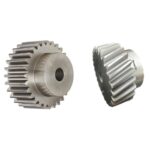
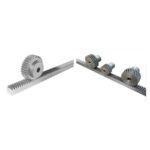
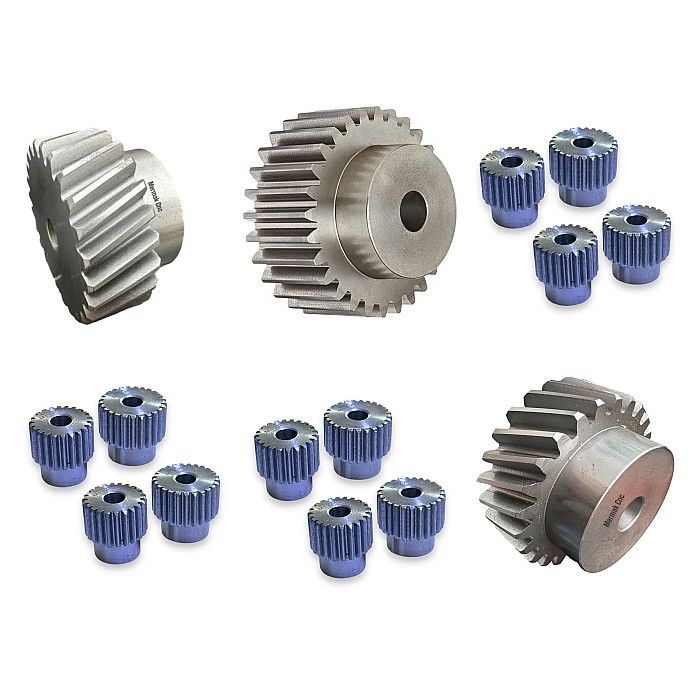
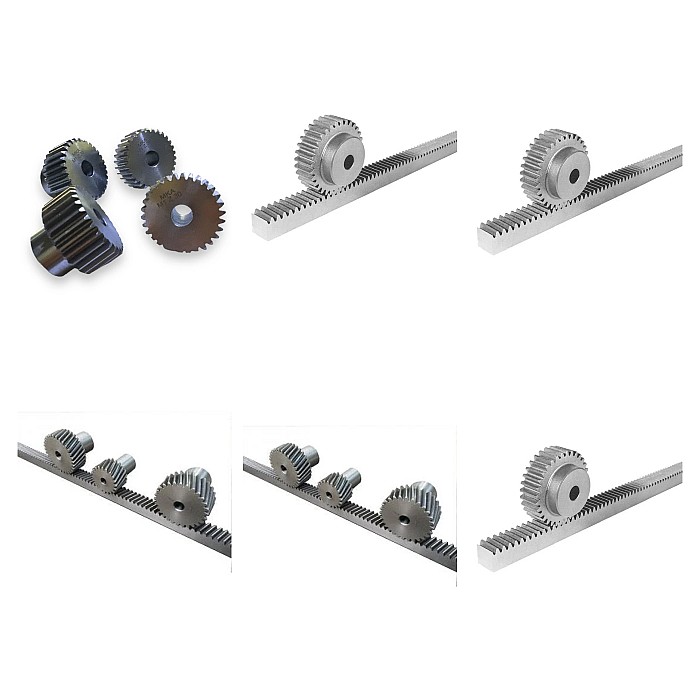
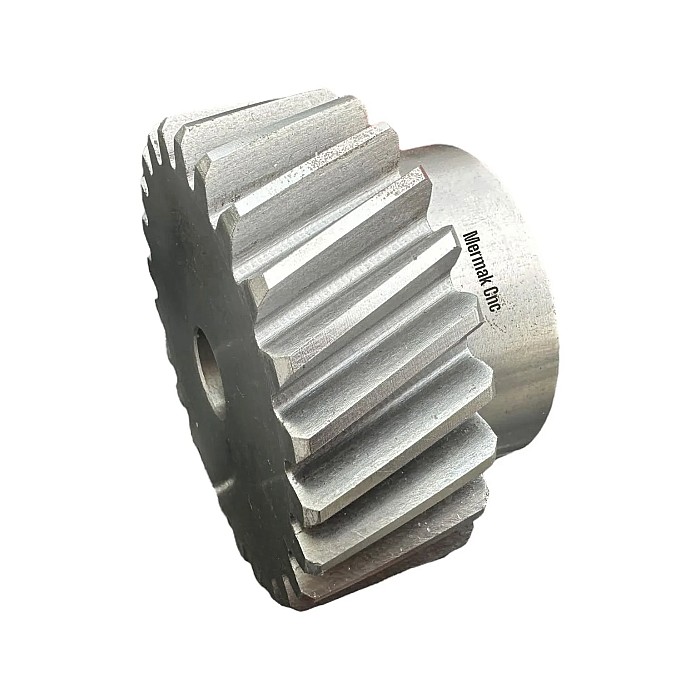
A rack and pinion system consists of a linear bar with gear teeth (the rack) and a circular gear (the pinion). As the pinion rotates, it engages with the rack, generating linear force for pushing or pulling. This straightforward yet effective mechanism is widely used in applications such as CNC machines, robotic arms, lifting platforms, and assembly lines. For efficient operation, engineering parameters like gear tooth profiles, module, pressure angle, and material selection are paramount. Incorrectly chosen or low-quality components can shorten system life and increase noise levels. In high-speed or high-load applications, helical rack and pinion systems offer a quieter and smoother operation compared to spur gears, as the teeth engage gradually. However, helical gears require more complex bearing arrangements and mounting to balance axial forces. The surface hardness of the gears, their precision class, and the correct backlash adjustment are also critical factors directly influencing noise generation. Excessive backlash can cause impact noises during load changes, while insufficient backlash increases friction and heat, leading to noise. The following table summarizes key parameters of a rack and pinion system and their relation to noise.
| Parameter | Value/Description |
|---|---|
| Module (m) | Determines tooth size. Incorrect module selection or mismatch leads to high noise and wear. |
| Pressure Angle (α) | Typically 20° or 25°. Non-standard angles or mismatches disrupt tooth contact and cause noise. |
| Material | Carbon or alloy steels like C45, 42CrMo4 are common. Material quality and heat treatment deficiencies cause premature wear and noise. |
| Surface Hardness | Usually HRC 50-60. Low hardness accelerates wear and increases friction noise. |
| Precision Class | ISO 5-10. Lower (better) classes ensure quieter operation. High tolerances increase noise. |
| Backlash (J) | The gap between mating teeth. Excessive backlash causes clicking; insufficient backlash causes friction and overheating. Optimal adjustment is critical. |
| Lubrication Type | Grease or oil. Viscosity, additives, and application method directly affect noise levels. |
| Mounting Alignment | Parallelism and concentricity of pinion and rack. Misalignment causes edge contact and high friction noise. |
Field Considerations for Noise Reduction
- Misalignment and Lack of Parallelism: This is a common cause of noise. If the pinion is not perfectly parallel to the rack, or if the teeth do not engage at the correct angle, uneven load distribution occurs across the tooth surfaces. This leads to edge loading, manifesting as metal-on-metal grinding, squeaking, or high-frequency humming. Misalignment can also cause premature wear or even tooth breakage. Field technicians should regularly check the parallelism between the pinion and rack using laser alignment tools or precision measuring equipment. Fine adjustments can be made using mounting plates or adjustment screws.
- Insufficient or Incorrect Lubrication: Proper and adequate lubrication is vital to reduce friction between gear teeth, dissipate heat, and prevent wear. Insufficient lubrication leads to direct metal-to-metal contact, causing grinding, squeaking, or humming noises. Using the wrong type of lubricant (e.g., incorrect viscosity grease or oil) or failing to adhere to the lubrication schedule can also cause similar issues. For industrial automation applications, industrial greases or gear oils with high-pressure (EP) additives are recommended. Lubrication points should be inspected regularly, lubricant level and quality checked periodically, and lubrication performed according to manufacturer recommendations. Automated lubrication systems are an effective solution for minimizing this problem.
- Excessive Backlash or Tooth Wear: The gap between mating gear teeth, known as backlash, must be within a specific tolerance for smooth operation. Excessive backlash causes impact noises and clicking or clattering sounds when the direction of load changes, especially noticeable in high-speed or frequent reversing applications. Conversely, wear on the pinion or rack teeth (such as pitting, spalling, or scoring) degrades tooth profiles, leading to irregular contact and noise. Worn teeth tend to slip and grind rather than roll smoothly. Backlash adjustment should be performed within system-specific tolerances, and gears showing signs of wear must be replaced promptly. Regular visual inspection of gear surfaces helps detect early signs of wear.
- Mounting and Structural Rigidity Issues: If the chassis or support structure where the rack and pinion are mounted lacks sufficient rigidity, it can lead to vibrations and resonance during operation, which manifest as noise. Loose fasteners, uneven mounting surfaces, or inadequate support amplify these vibrations and compromise the overall stability of the system. Ensure all mounting bolts are tightened to the correct torque specifications, review the chassis design, and consider using vibration-damping elements if necessary. Loose components not only cause noise but can also pose safety risks.
- Foreign Matter or Contamination: Rack and pinion systems often operate in exposed environments, making it likely for dust, dirt, metal chips, or other debris to enter between the gear teeth. This trapped debris causes friction, grinding, or scraping noises and can permanently damage the tooth surfaces (scratches, dents). Maintaining a clean operating environment and using protective bellows or covers can prevent contamination. Regular cleaning and inspection are crucial to prevent such issues.
Addressing these common issues proactively can significantly reduce noise, improve the performance of your CNC router machine, and extend the life of your industrial CNC router components. Regular maintenance, proper alignment, and correct lubrication are key to ensuring smooth and quiet operation.
If you are experiencing persistent noise issues or require expert assistance with your rack and pinion systems, our team is ready to help. Request a quote on WhatsApp for tailored solutions and high-quality components.
Related product categories: Genel · Düz Diş Kremayer Dişli Çeşitleri · Helis Diş Kremayer Dişli Çeşitleri