





































































Why Do Linear Bearings Seize Up? Causes and Solutions for Industrial CNC

📑 Table of contents (Click to open)
Linear bearings are crucial for precise movement in industrial automation. Seizure, or jamming, can halt production. This article explores common causes such as incorrect installation, inadequate lubrication, contamination, and overloading, providing practical solutions for maintaining your CNC router machines.
Practical notes for CNC router, automation and industrial motion systems.
Understanding Linear Bearing Seizure in Industrial Automation
Linear bearings, also known as linear motion bearings, are fundamental components in industrial automation systems, enabling precise and repeatable linear movement. They typically operate on a shaft or rail, facilitating low-friction motion. However, these critical mechanisms can sometimes experience “seizure,” where movement becomes restricted or impossible. This can lead to production downtime, machine failures, and significant financial losses. The root causes of linear bearing seizure are often a combination of mechanical incompatibilities, environmental factors, and operational errors. In high-speed and high-precision automation applications, bearing seizure is unacceptable and requires rapid identification and resolution of its underlying causes. This guide delves into the reasons behind linear bearing seizure, its symptoms, and preventive solutions for industrial automation professionals.
Principle of Operation and Technical Data
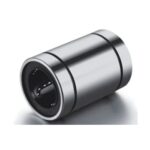
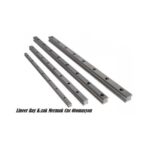
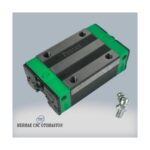
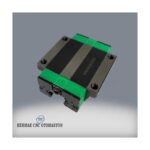
Linear bearings are designed to provide linear motion along an axis. The primary types include profile rail linear guides (LM Guide) and linear ball bushings. Profile rail guides consist of a carriage (block) that moves along a precisely machined rail. Balls or rollers housed within the block circulate in channels (raceways) on the rail, enabling movement with minimal friction. Linear ball bushings are cylindrical units with internal balls that move along a shaft. Both types rely on rolling elements to facilitate smooth motion under load.
Understanding the operational principles is key to preventing seizure. The rolling elements (balls or rollers) must move freely within their raceways, and the load must be evenly distributed. When this balance is disrupted, friction increases, leading to seizure. Key technical parameters influencing linear bearing performance include dynamic load capacity (C) and static load capacity (C₀). Dynamic load capacity is the maximum continuous load a bearing can handle for a specified life, while static load capacity is the maximum load it can withstand without permanent deformation. Other critical factors include precision class (e.g., P5, P4, P3), material (e.g., stainless steel), operating temperature range, maximum speed, and lubrication type. Incorrect bearing selection, improper lubrication, or deviations from mounting tolerances can all contribute to seizure. For instance, consistently exceeding the nominal load capacity can cause premature fatigue and surface damage to the rolling elements and raceways.
| Parameter | Value/Description |
|---|---|
| Dynamic Load Capacity (C) | Maximum continuous load for a specified life (e.g., 50 km) (kN) |
| Static Load Capacity (C₀) | Maximum load without permanent deformation (kN) |
| Precision Class | P0, P1, P2, P3, P4, P5 (P5 is highest precision) |
| Operating Temperature Range | -20°C to +80°C (Standard); ranges vary for special applications |
| Lubrication Type | Grease, Oil (Centralized or manual), Solid Lubricants |
| Max Speed | 1 m/s to 10 m/s (Varies with ball diameter and load) |
| Material | Bearing Steel (100Cr6), Stainless Steel, Ceramic (special applications) |
Critical Considerations in the Field
- Mounting Precision and Alignment: Improper installation is a primary cause of linear bearing seizure. Misaligned guide rails, uneven mounting surfaces, or inconsistent tightening of bearing blocks create internal stresses. These stresses disrupt load distribution on the rolling elements, leading to excessive friction. For long-stroke applications, rail parallelism and mounting surface flatness are paramount. Using precision measurement tools (dial indicators, laser alignment systems) during installation ensures near-zero tolerance alignment, significantly reducing seizure risk. Ensure mounting screws are torqued correctly and in a crosswise pattern.
- Lubrication Management and Correct Lubricant Selection: Inadequate or incorrect lubrication is another major factor increasing friction and causing seizure. The lubricant forms a protective film between the rolling elements and raceways, preventing metal-to-metal contact. Using a lubricant unsuitable for the application’s speed, load, temperature, or environmental conditions can lead to lubricant film breakdown. For example, using low-viscosity oil at high temperatures can cause film rupture. Neglecting periodic lubrication schedules or lubrication points is also common. Automated lubrication systems are vital for systems that are difficult to access or operate continuously, ensuring the correct amount of lubricant is delivered at the right time. Maintaining lubricant cleanliness is also crucial.
- Environmental Factors and Contamination Control: Industrial environments are often exposed to dust, chips, moisture, chemical vapors, and abrasive particles. These contaminants can infiltrate bearings, impeding the movement of rolling elements and causing scratches or pitting on raceway surfaces. Metal chips or welding slag, in particular, can cause sudden bearing failure. Therefore, it is essential to use appropriate seals (wipers, bellows), protective covers, or shields to protect bearings from contamination and maintain a clean working environment. In environments with aggressive chemicals, consider stainless steel or specially coated bearings to prevent corrosion-induced seizure.
- Loading Conditions and Overloading: Linear bearings are designed to operate smoothly within specific load capacities. Incorrect load calculations during the design phase, carrying heavier loads than specified, or experiencing sudden shock loads can lead to bearing overloading. Overloading causes premature fatigue, surface hardening, and micro-cracking in the rolling elements and raceways. This can eventually lead to seizure. Ensure that the operating loads do not exceed the bearing’s dynamic or static load ratings. Regular inspection for signs of wear or damage is also recommended.
- Wear and Component Damage: Over time, even under normal operating conditions, linear bearings will experience wear. However, accelerated wear due to any of the previously mentioned factors can lead to seizure. Damaged seals, worn-out rolling elements, or damaged raceways can cause increased friction and eventual jamming. Regular inspection and maintenance are crucial. If signs of wear or damage are detected, replace the bearing promptly to prevent further damage to the shaft or rail and avoid costly downtime.
Preventive Maintenance and Troubleshooting
Proactive maintenance is key to preventing linear bearing seizure. This includes regular inspections of lubrication levels, checking for signs of wear or contamination, and verifying alignment. If a linear bearing shows signs of stiffness or restricted movement, immediate action is required. First, check the lubrication. If it’s insufficient or contaminated, clean the system and re-lubricate with the appropriate lubricant. If lubrication is adequate, inspect for contamination. Clean the bearing and its environment thoroughly. If the problem persists, check the alignment of the rails or shafts. Misalignment can cause binding. Finally, if none of these steps resolve the issue, the bearing may be worn or damaged and require replacement. Always use genuine replacement parts and follow manufacturer guidelines for installation and maintenance.
For CNC router machines, ensuring the smooth operation of linear guides is vital for cut accuracy and machine longevity. A seized linear bearing can lead to inconsistent cutting depths, tool chatter, and premature wear on other components like the spindle motor or servo drives. Regular cleaning of the work area, especially around the linear guide rails and vacuum table, is essential to prevent chip and dust buildup. Implementing a preventive maintenance schedule that includes lubrication checks and alignment verification will significantly reduce the risk of seizure and ensure your industrial CNC router operates at peak performance.
If you are experiencing issues with linear bearings or require assistance with selecting the right components for your industrial CNC applications, Mermak CNC is here to help. We offer a wide range of high-quality linear motion components designed for demanding industrial environments.
Contact us today to request a quote on WhatsApp and ensure your machinery runs smoothly and efficiently.
