









































































Troubleshooting CNC Vacuum Table Holding Issues
📑 Table of contents (Click to open)
Practical notes for CNC router, automation and industrial motion systems.
Understanding CNC Vacuum Table Holding Problems
In industrial automation, the precise and secure clamping of workpieces is paramount for achieving high-quality results and ensuring operational safety. Among the most effective workholding methods are vacuum tables. These systems utilize atmospheric pressure to firmly hold a workpiece against the table surface, preventing any movement during CNC machining. However, issues like a CNC vacuum table failing to hold a part can arise, leading to production downtime, potential damage to the workpiece, tooling, or even the machine itself. Fundamentally, a vacuum table’s inability to hold a part stems from its failure to generate sufficient negative pressure or to effectively apply that pressure to the workpiece. This can be due to a single component failure or a combination of factors, necessitating a thorough investigation.
How CNC Vacuum Tables Work & Technical Specifications
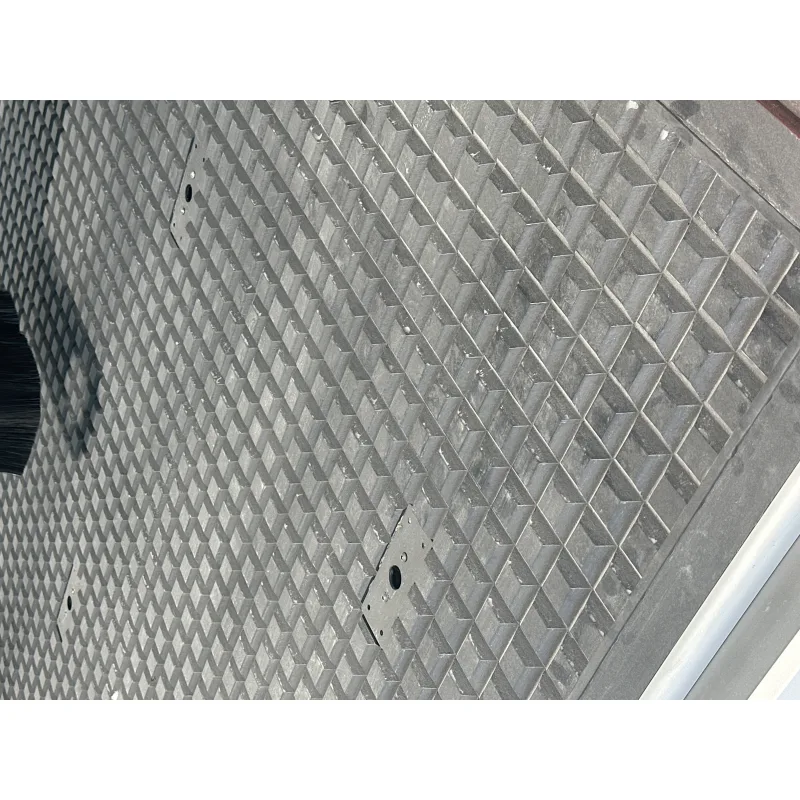
Operating Principle: CNC vacuum tables operate on a fundamental physics principle. A vacuum pump evacuates air from a sealed volume beneath the table surface, creating a negative pressure (vacuum). This vacuum causes the ambient atmospheric pressure to push the workpiece firmly against the table. The flatter and more airtight the workpiece, the more effectively atmospheric pressure holds it in place. The table surface typically features channels, holes, or porous structures to distribute vacuum evenly and powerfully across the workpiece. Sealing is a critical aspect; rubber or silicone gaskets are often used to create a barrier around the workpiece, preventing vacuum loss and ensuring it’s concentrated beneath the part.
Key Components:
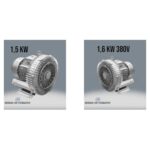
- Vacuum Pump: The heart of the system, responsible for creating negative pressure. Types include piston, rotary vane, or claw pumps.
- Vacuum Table: The surface where the workpiece is placed. Commonly made from aluminum, phenolic resin, or composite materials, featuring vacuum channels, holes, or porous zones.
- Sealing Gaskets: Used to isolate the vacuum area around the workpiece. Typically made from rubber, silicone, or specialized polymers in various profiles and sizes.
- Vacuum Hoses and Fittings: Facilitate airflow between the pump and the table. Must be high-quality and durable to prevent leaks.
- Vacuum Manifold and Valves: Allow for directing or interrupting vacuum flow to different table zones.
- Vacuum Sensors and Gauges: Monitor vacuum levels, providing operator feedback.
Technical Data: Vacuum table performance depends on several key parameters:
- Vacuum Pressure (Absolute): Usually measured in millibar (mbar) or inches of mercury (inHg). Industrial tables often aim for 100-250 mbar (absolute) or -0.7 to -0.9 bar (relative). Lower pressure (higher vacuum) means stronger holding force.
- Vacuum Pump Flow Rate: Measures the volume of air pumped per unit time (m³/hr or CFM). High flow rate is crucial for maintaining vacuum, especially with porous materials or minor leaks.
- Holding Force: Directly proportional to applied vacuum pressure and workpiece surface area. For example, a 1 cm² area with a 1 bar pressure difference generates about 1 kg of holding force. This must be calculated based on workpiece weight and cutting forces.
- Surface Flatness: Both the table and workpiece surface flatness are vital for sealing and holding. Even minor irregularities can cause leaks.
- Seal Material Properties: Gasket Shore hardness, chemical resistance, and temperature tolerance must suit the application.
| Parameter | Value/Description |
|---|---|
| Vacuum Pressure (Absolute) | Typically 100-250 mbar (approx. -0.7 to -0.9 bar relative). Lower values mean stronger grip. |
| Vacuum Pump Flow Rate | Varies by application; 40-250 m³/h are common ranges. High flow is preferred for porous materials. |
| Seal Material | EPDM, Silicone, Nitrile Rubber (NBR). Chemical resistance and temperature tolerance are important. |
| Table Material | Aluminum, Phenolic Resin, Composite Materials. High flatness and wear resistance are critical. |
| Surface Roughness (Table) | Ra 0.8 – 1.6 µm or better. A critical factor for sealing. |
| Max. Workpiece Weight | Holding Force (N) = Vacuum Pressure (Pa) x Surface Area (m²). Calculated against cutting forces. |
| Operating Temperature Range | Typically 0°C to +60°C. Consider in material and seal selection. |
Common Causes for Vacuum Holding Failure
- Workpiece Surface Quality and Geometry:
The surface of the workpiece that contacts the table must be flat, clean, and non-porous. Warped, rough, or dirty surfaces create air gaps, leading to vacuum leaks. Chips, oil, dust, or moisture can significantly impair sealing. Porous materials (e.g., certain woods, composites) may absorb vacuum, preventing adequate holding. In such cases, sacrificial layers or specialized porous vacuum pads might be necessary. Workpiece size and shape are also important; holding very small or narrow parts can be challenging.
- Vacuum Table Surface Condition and Maintenance:
The vacuum table surface must be free of scratches, flat, and clean. Deep scratches, cracks, or deformations on the surface can cause vacuum leaks. It is vital to prevent vacuum channels or holes from becoming clogged with chips, dust, or machining residue. Regular cleaning of the table surface and, if necessary, re-machining (planing) or repairing the surface are essential for optimal performance. A worn or damaged table surface cannot provide effective holding, regardless of the vacuum pump’s power.
- Vacuum Pump Performance and Maintenance:
The vacuum pump is a critical component. Its oil level, filters, and overall operating condition should be checked regularly. Insufficient oil, clogged filters, or worn pump components can prevent the pump from achieving the required vacuum pressure or flow rate. Overheating or unusual noises from the pump motor are also potential warning signs. Periodic maintenance, including filter and oil changes, extends the pump’s lifespan and ensures consistent high performance.
- Hoses, Fittings, and Sealing Gaskets:
All hoses and fittings in the vacuum system must be inspected for air leaks. Cracked hoses, loose connections, or damaged valves reduce the system’s vacuum level. Specifically, sealing gaskets can wear out, harden, or tear over time. Using incorrect gasket types for the workpiece can also lead to leaks. Regular inspection and replacement of worn gaskets are crucial.
- Insufficient Vacuum Pressure or Flow Rate:
If the vacuum pump is undersized for the application, or if there are multiple leaks in the system, the generated vacuum pressure or flow rate may be insufficient to hold the workpiece securely, especially under cutting forces. Ensure the pump’s specifications (pressure and flow) meet or exceed the requirements for the size and type of parts being machined.
- Incorrect Sealing Strategy:
For some materials or complex shapes, a simple gasket might not be enough. Consider using multiple zones on the vacuum table, specialized sealing tapes, or even vacuum chucks designed for specific applications. The strategy must ensure a complete seal around the entire perimeter of the workpiece’s contact area.
Troubleshooting Steps
- Visual Inspection: Check the table surface for damage, clean all channels and holes. Inspect all hoses and fittings for cracks or loose connections. Verify gasket condition and fit.
- Leak Detection: With the pump running, use a vacuum gauge to monitor pressure. Apply soapy water around fittings, hoses, and workpiece edges to reveal air leaks (bubbles).
- Pump Performance Test: Disconnect the table and measure the vacuum pump’s performance directly. Compare readings to the manufacturer’s specifications. Check filters and oil.
- Workpiece Check: Ensure the workpiece surface is flat, clean, and free of contaminants. If the material is porous, consider sealing strategies.
- Seal Verification: Confirm the correct gasket type and size are used for the workpiece and table configuration.
Addressing these potential issues systematically will help restore your CNC vacuum table’s holding capability, ensuring efficient and safe machining operations. For persistent problems or to upgrade your vacuum system, consult with experts.
If you’re experiencing difficulties with your CNC vacuum table or require a robust solution for your industrial machining needs, Mermak CNC offers a range of high-performance vacuum pumps and tables. Request a quote on WhatsApp to discuss your specific requirements and find the ideal setup for your operations.
Related product categories: Genel · 380V Vakum Pompası · 210 m³/h Vakum Pompası Çeşitleri
