





































































Why Does a CNC Router Bit Burn the Material? Understanding the Causes and Solutions

📑 Table of contents (Click to open)
Discover why CNC router bits can burn materials during machining. This phenomenon, caused by excessive heat buildup from friction, incorrect cutting parameters, dull tools, or inadequate cooling, leads to material degradation, discoloration, and reduced tool life. Understand the technical principles and practical solutions to prevent burning and ensure high-quality results in your industrial CNC operations.
Practical notes for CNC router, automation and industrial motion systems.
Understanding Material Burning in CNC Routing
In CNC routing operations, “material burning” refers to thermal damage on the workpiece surface caused by excessive heat buildup during the machining process. This damage manifests as discoloration (darkening), melting, or structural degradation of the material. It primarily occurs because a significant portion of the mechanical energy generated during cutting is converted into heat due to high friction and material removal. If this heat is not managed or dissipated effectively, it can exceed the material’s thermal tolerance, leading to burning. Beyond aesthetics, burning compromises the strength, dimensional accuracy, and surface finish of the machined part, shortens tool life, increases production costs, and can impact the performance of the final product. For industries relying on industrial CNC routers for precision and automation, preventing such thermal defects is critical.
The Science Behind Heat Generation in CNC Machining
CNC routing works on the principle of a rotating cutting tool removing material from a workpiece to achieve a desired shape. As the cutting edges engage the material, cutting forces generate chips. This mechanical process inevitably produces heat. The primary sources of heat generation include:
- Plastic Deformation: The energy required to plastically deform the material before it becomes a chip is converted into heat, primarily in the primary shear zone.
- Friction: Friction between the cutting tool and the workpiece (specifically, the rake face and flank face) and between the chips and the tool’s flutes generates significant heat in secondary and tertiary deformation zones.
- Chip Formation and Breakage: The process of chip formation and, in some cases, chip breakage (especially with brittle materials or specific tool geometries) requires additional energy, contributing to heat buildup.
This heat concentrates at the cutting zone. If it’s not removed efficiently, it raises the workpiece material’s temperature to critical levels, increasing the risk of burning. Several technical factors and operational principles contribute to this risk:
Key Factors Leading to Material Burning:
- Incorrect Cutting Parameters:
- Cutting Speed (Vc): Excessively high cutting speeds increase the rate of material deformation and friction, leading to rapid heat generation. While reducing contact time, the energy density per unit area increases. Conversely, very low cutting speeds can cause chips to adhere to the cutting edge (Built-Up Edge – BUE), increasing friction and heat. Finding an optimal cutting speed is crucial.
- Feed Rate (Fz): An insufficient feed rate (resulting in very small chip thickness) increases the tool’s contact time with the material, leading to rubbing and excessive heat. A larger chip thickness (higher feed rate) generally helps carry heat away with the chips. However, excessively high feed rates can also lead to other issues like poor surface finish or tool breakage.
- Depth of Cut (Ap): A deep cut removes more material per pass, which can help dissipate heat through the larger chips. However, if the spindle motor lacks sufficient power or the tool is not rigid enough, it can lead to increased cutting forces and heat. A shallow depth of cut, especially with a high feed rate, can result in a rubbing action rather than efficient cutting, generating significant heat.
- Dull or Damaged Cutting Tools: A worn or chipped CNC router bit has a larger contact area and increased friction. The cutting edges are no longer sharp, forcing the tool to rub against the material rather than shearing it cleanly. This dramatically increases heat generation and the likelihood of burning. The servo drive system may struggle to maintain consistent motion under these conditions.
- Inadequate Cooling and Lubrication: Proper coolant or air blast is essential for removing heat from the cutting zone and lubricating the cutting edge. Insufficient flow, incorrect coolant concentration, or using the wrong type of coolant can lead to heat buildup. The vacuum table might also be affected if chip evacuation is poor.
- Poor Chip Evacuation: If chips are not cleared effectively from the cutting zone, they can re-cut, increase friction, and act as an insulating layer, trapping heat around the tool and workpiece. This is particularly problematic in deep pockets or when using tools with inadequate chip flute design.
- Material Properties: Some materials, like certain plastics, composites, or low-melting-point alloys, are inherently more susceptible to thermal damage. Their low thermal conductivity means heat dissipates slowly, and their low melting points mean they can easily reach temperatures that cause burning.
- Machine Rigidity and Vibration: A lack of rigidity in the CNC router machine, spindle motor, or workpiece fixturing can lead to vibrations. These vibrations can cause inconsistent chip loads and increased rubbing, contributing to heat and burning. A stable linear guide rail system is essential for minimizing unwanted movement.
Preventing Material Burning: Best Practices
To avoid material burning and ensure optimal machining results with your CNC router machine, consider the following:
- Optimize Cutting Parameters: Consult tooling manufacturer recommendations and perform test cuts to determine the ideal cutting speed, feed rate, and depth of cut for your specific material and tool.
- Use Sharp, High-Quality Tools: Regularly inspect and replace dull or damaged CNC router bits. Ensure the tool geometry is appropriate for the material being cut.
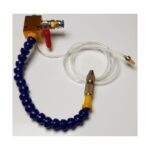
- Implement Effective Cooling: Utilize appropriate coolant systems, air blasts, or misting techniques to keep the cutting zone cool. Ensure the coolant is correctly mixed and delivered.
- Ensure Proper Chip Load: Select feed rates and depths of cut that produce healthy chips, allowing for efficient material removal and heat dissipation.
- Maintain Machine Condition: Ensure your CNC router machine, including the spindle motor and linear guide rails, is well-maintained, properly lubricated, and free from excessive vibration. Check the vacuum table for consistent holding power.
- Select Appropriate Tools: Choose router bits designed for the specific material you are machining. Consider factors like flute count, helix angle, and coating.
Conclusion
Material burning during CNC routing is a common issue stemming from a complex interplay of factors, primarily related to heat generation and dissipation. By understanding the underlying principles of cutting mechanics, carefully selecting and maintaining cutting tools, optimizing machine parameters, and ensuring effective cooling and chip evacuation, you can significantly mitigate the risk of burning. This leads to improved part quality, extended tool life, and more efficient production cycles with your industrial CNC router.
For expert advice on optimizing your CNC routing processes or to find the right equipment for your needs, contact us.
Related product categories: Genel · Takım Tutucu Kovanlar · Magazin Takım Tutucu Çatalları
