







































































When a Bearing Makes Noise: Should It Be Replaced?

📑 Table of contents (Click to open)
An abnormal noise from a bearing on your industrial CNC router is a critical warning sign. This guide explains the technical causes, from wear and lubrication issues to contamination and improper mounting, and details why timely replacement is essential to prevent costly damage and production halts. Understand the signs and act proactively.
Practical notes for CNC router, automation and industrial motion systems.
Yes, if a bearing starts making noise, it typically indicates a fault. This requires immediate inspection and, in most cases, replacement to prevent serious equipment damage, minimize production downtime, and ensure operational safety.
Understanding Bearing Noise and Its Implications
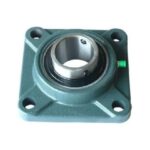
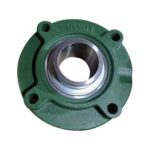
In industrial automation systems and mechanical assemblies, bearings are crucial components that facilitate rotational movement, reduce friction, and support loads. While some minimal noise might be expected during normal operation, any significant change in the sound’s intensity, character, or frequency is a primary indicator of potential failure or wear. The question, “When a bearing makes noise, should it be replaced?” is central to predictive maintenance and failure prevention strategies. Abnormal noise often signals damage to internal components (rolling elements, rings, cage), insufficient lubrication, contamination, or improper installation. Ignoring these symptoms can lead to bearing seizure, damage to the shaft or other machine parts, resulting in more expensive repairs and prolonged production stoppages. Therefore, abnormal noise is usually a strong signal for replacement.
Operating Principles and Technical Data
Bearings enhance mechanical efficiency and support loads by minimizing friction between moving parts. Their core principle involves preventing direct contact between surfaces, enabling rotation via rolling elements (like balls or rollers) or a fluid film (in journal bearings). Rolling-element bearings, common in industrial automation, consist of inner and outer rings, rolling elements, and a cage. Their normal operation relies on precise tolerances. However, wear and various factors can degrade this precision.
- Wear and Fatigue: Bearings are designed with a specific service life (L10 life), representing the operating hours before 90% of them are expected to fail under defined load and speed conditions. Excessive load, high speed, or inadequate lubrication shortens this life, leading to premature fatigue and surface wear. Worn surfaces generate abnormal noises (humming, grinding).
- Lubrication Issues: Proper lubrication is vital to reduce friction between rolling elements and raceways. Insufficient lubrication increases heat, metal-to-metal contact, and friction noise (often a high-pitched squeal or hiss). Contaminated lubricant or lubricant degradation (oxidation, viscosity loss) can cause similar problems.
- Contamination: Ingress of dust, dirt, or metal chips into a bearing can cause damage (pitting, spalling) to raceway surfaces. These imperfections lead to irregularities in rotation, producing clicking or crunching sounds.
- Improper Mounting: Incorrect installation onto the shaft or housing (interference fit too tight or too loose, misalignment) creates uneven load distribution and internal stress. This accelerates wear and can cause high-frequency humming or whining noises.
- Imbalance and Vibration: Machine imbalances, misalignment, or overloading subject bearings to abnormal stress, leading to excessive vibration and characteristic rumbling or knocking sounds. Vibration analysis is a key technique for detecting these issues.
Bearing selection depends on application requirements like load, speed, temperature, and operating environment. Choosing the correct bearing type (ball, roller, tapered, etc.) and size is essential for optimal performance and longevity. Key technical parameters include dynamic load rating (C), static load rating (C0), maximum speed, tolerance classes, and internal clearance. Deviating from these specifications directly impacts bearing life and can induce noise.
| Parameter | Value/Description |
|---|---|
| L10 Life | Bearing life in millions of revolutions (or hours) for 90% reliability. Abnormal noise indicates reduced life. |
| Dynamic Load Rating (C) | The constant radial load a bearing can endure for 1 million revolutions (ISO 281). Exceeding this causes fatigue and premature noise. |
| Static Load Rating (C0) | The maximum static load a bearing can withstand without permanent deformation. Exceeding this causes surface indentations and clicking noises. |
| Operating Temperature | The temperature range within which the bearing can operate safely. Excessive temperatures degrade lubricant and increase friction noise. |
| Internal Clearance | The play between bearing elements. Incorrect clearance (too tight/loose) increases vibration and noise, reducing life. |
| Lubrication Type & Interval | Appropriate lubricant selection and regular re-lubrication. Insufficient or incorrect lubrication is a primary cause of friction noise. |
| Vibration Level | Acceptable vibration during operation. Abnormal noise often correlates with increased vibration, a key indicator in predictive maintenance. |
Field Considerations for Bearing Noise
- Assessing Noise Type and Intensity: The nature of the bearing noise provides clues to the fault. Clicking or crunching often suggests contamination or surface pitting, while humming or whining might indicate improper mounting, overload, or cage damage. Grinding or hissing is typically linked to lubrication issues or excessive friction. Increasing noise intensity signals advancing damage. Technicians should be trained to differentiate these sounds, using tools like a mechanic’s stethoscope.
- Vibration Analysis and Predictive Maintenance: Abnormal noise is frequently accompanied by increased vibration. Implementing regular vibration analysis as part of a predictive maintenance program is crucial for industrial automation. Vibration sensors can detect subtle bearing damage (inner ring, outer ring, or rolling element defects) long before audible noise occurs. Specific vibration frequencies can pinpoint particular bearing failures, allowing for planned replacement during scheduled downtime, thus preventing unexpected failures and production losses.
- Monitoring Operating Temperature and Lubrication Status: Overheating degrades lubricant viscosity, compromising the protective film and increasing metal-to-metal contact, friction, and noise. Regular temperature monitoring using thermal cameras or non-contact thermometers is recommended. Ensure bearings are supplied with the correct type and amount of lubricant according to manufacturer recommendations and operating conditions. Regularly check lubricant contamination levels.
- Mounting Quality and Alignment Checks: Proper mounting techniques are critical when installing new bearings or during maintenance. Misalignment of the shaft or housing can damage bearing components and shorten their lifespan. Ensure precise alignment between the shaft, bearing, and housing. For CNC router machines, maintaining the alignment of the linear guide rail systems and spindle assemblies is paramount, as misalignment can transfer stress to bearings.
When to Replace a Noisy Bearing
A noisy bearing is almost always a sign that replacement is necessary. While temporary fixes like adding lubricant might temporarily reduce noise, they do not address the underlying mechanical damage. Continuing to operate with a noisy bearing risks:
- Catastrophic failure leading to extensive machine damage.
- Production downtime due to unexpected breakdowns.
- Compromised product quality due to increased vibration and runout.
- Safety hazards for personnel.
The decision to replace should be based on:
- Audible Noise: Any new, abnormal, or significantly louder noise.
- Increased Vibration: Detected through monitoring equipment.
- Elevated Temperature: Significantly higher than normal operating temperatures.
- Visual Inspection: Signs of wear, pitting, or discoloration on bearing components during maintenance.
- Reduced Performance: Decreased accuracy or efficiency of the machine.
For critical components like those in an industrial CNC router, proactive replacement based on early warning signs like noise is a sound maintenance strategy.
Conclusion
An abnormal sound from a bearing on your industrial machinery, especially a high-precision CNC router machine, is not to be ignored. It’s a clear signal of wear, damage, or improper operating conditions. Addressing bearing noise promptly by replacing the faulty component is essential for maintaining machine health, ensuring consistent production quality, and preventing costly secondary damage. Implementing a robust predictive maintenance program that includes regular vibration analysis and temperature monitoring, alongside proper lubrication and mounting practices, will significantly extend the life of your bearings and overall machinery.
Don’t let bearing noise disrupt your operations. Ensure your spindle motor, servo drive, and motion control systems run smoothly. If you suspect bearing issues or need expert advice on maintaining your industrial equipment, contact us.
Related product categories: Genel · Mekanik · 25 Mm Lineer Kızak, Rulman Ve Yataklar
