







































































What Happens When a Ball Screw Nut Fails? – Mermak CNC

📑 Table of contents (Click to open)
A failing ball screw nut severely impacts machine precision, leading to backlash, positioning errors, and increased friction. This can cause overheating, motor strain, and ultimately, unexpected shutdowns or permanent damage, resulting in significant production losses. Learn how to prevent and address these issues.
Practical notes for CNC router, automation and industrial motion systems.
Understanding Ball Screw Nut Failure in Industrial Machinery
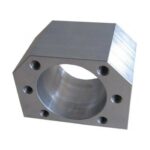
Ball screw nuts are fundamental components in industrial automation and precision machinery, converting rotational motion into linear motion with high efficiency and accuracy. When a ball screw nut fails, it directly compromises the machine’s core functionality, leading to a cascade of negative consequences. Common causes include wear and tear on the internal balls, races, or recirculation channels, contamination, insufficient lubrication, or overloading. The initial symptom is often a noticeable decrease in the machine’s positioning accuracy, which is unacceptable for applications requiring high precision, such as CNC machines, robotic arms, and automated assembly lines. Increased backlash makes machine movements feel loose and unpredictable, degrading the quality of machined parts and increasing scrap rates. Furthermore, heightened friction generates excessive heat, shortening the ball screw nut’s lifespan and potentially damaging surrounding components. This can lead to motor strain, increased energy consumption, and eventually, machine stoppage or severe malfunction, causing unplanned downtime, costly repairs, and production schedule disruptions.
How Ball Screw Nuts Work and Technical Considerations
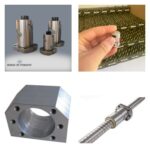
Ball screw nuts operate by utilizing precision steel balls that circulate between helical grooves on the screw shaft and matching grooves within the nut. These balls facilitate smooth, low-friction movement, enabling high mechanical efficiency. The primary function of a ball screw assembly is to convert rotary motion into linear motion with minimal friction and high rigidity. Preloading is often applied to minimize system backlash, ensuring high precision and repeatability. When a ball screw nut fails, these principles are violated. Worn or damaged balls reduce load-carrying capacity and distort the contact area between the nut and screw, increasing friction, heat, and preventing smooth ball recirculation. Contamination, such as metal chips or dust, accelerates wear and can cause jamming. Inadequate or incorrect lubrication leads to metal-to-metal contact, rapid wear, and overheating. Overloading can cause plastic deformation of the balls and raceways, leading to permanent damage and a drastically reduced lifespan. The technical performance of a ball screw nut is defined by parameters like its precision class (e.g., C0, C1, C3, C5, C7), dynamic and static load capacities, lead error, rigidity, and efficiency. Deviations in these parameters negatively impact overall machine performance. In high-speed or high-acceleration applications, the integrity of the ball screw nut is crucial for system stability and safety. A failing ball screw nut not only reduces the machine’s overall energy efficiency but also increases maintenance costs and the need for spare parts. In industrial automation, such failures can trigger chain reactions on production lines, leading to substantial economic losses.
| Parameter | Value/Description |
|---|---|
| Failure Symptoms | Increased noise (squeaking, clicking), high vibration, overheating, increased backlash, positioning errors, motor strain. |
| Possible Causes | Insufficient/incorrect lubrication, contamination (dust, chips), overloading, mounting errors (misalignment), ball or raceway wear, corrosion, fatigue. |
| Affected Performance | Loss of precision, reduced repeatability, decreased speed and acceleration capacity, increased energy consumption, degraded part quality. |
| Preventive Maintenance | Periodic lubrication, inspection of sealing elements, cleaning, vibration and temperature monitoring (condition monitoring), regular alignment checks. |
| Repair/Replacement Cost | Ball screw nut replacement only (moderate), replacement with screw shaft (high), production downtime losses (very high). |
| System Status | Partial performance loss to complete system shutdown, risk of secondary damage to other mechanical components (motors, bearings). |
| Typical Lifespan (Operating Hours) | 10,000 – 60,000 hours under correct maintenance and load; significant reduction under poor conditions. |
| Precision Class Impact | Wider tolerances for lower precision classes (e.g., C7); failure is more critical and immediately noticeable for high precision (e.g., C0). |
Key Considerations for Industrial Environments
- Periodic Inspection and Monitoring: Regular visual and auditory checks of ball screw nuts are vital. Abnormal noises (squeaking, clicking, grinding), excessive vibration, or noticeable temperature increases during operation can indicate potential failure. Operators and maintenance teams should report such changes immediately and consider stopping the machine for detailed inspection. Sounds occurring under load or during rapid movements may suggest wear in the balls or raceways.
- Proper Lubrication Management: Despite their low-friction design, ball screw nuts wear rapidly without effective and consistent lubrication. The type, viscosity, and application frequency of grease or oil must strictly adhere to the manufacturer’s specifications. Incorrect lubricants or insufficient application increase metal-to-metal contact, accelerating wear and reducing lifespan. Ensure automatic lubrication systems are functioning correctly and check lubrication lines periodically.
- Adherence to Load Limits and Overload Protection: Verify that the machine’s operating load does not exceed the specified dynamic and static load capacities of the ball screw nut. Sudden impact loads or continuous operation under excessive load can cause fatigue and permanent deformation of the balls and raceways. Ensure any overload protection mechanisms in the system are active and functional.
- Mounting Precision and Alignment: Correct and precise mounting of the ball screw nut is critical for its longevity and smooth operation. Axial alignment, parallelism, and perpendicularity between the screw shaft and the nut must be maintained with extreme accuracy. Misalignment leads to uneven load distribution, edge loading, and premature wear. Perform alignment checks after installation and during periodic maintenance.
- Environmental Control: Industrial environments often present challenges like dust, metal chips, moisture, chemical fumes, or extreme temperature fluctuations, all of which can negatively impact ball screw nut lifespan. Metal chips, in particular, can enter between the balls, causing severe wear and jamming. Ensure sealing elements (wipers, bellows) are intact and protective covers are in place. Improve ambient conditions if necessary.
- Strategic Spare Parts Management: Maintaining a strategic stock of spare ball screw nuts for critical automation systems is essential to minimize production downtime in case of unexpected failures. Opting for original equipment manufacturer (OEM) parts or equivalent quality replacements ensures the system maintains its original performance.
Addressing ball screw nut failures proactively through diligent maintenance and proper operational practices is key to ensuring the reliability and efficiency of your industrial machinery. For solutions and expert advice on maintaining your CNC router machine and other industrial equipment, contact Mermak CNC.
Ready to ensure your machinery runs at peak performance? Request a quote on WhatsApp today!
Related product categories: Genel · Zincir · Mafsal Kafa