




































































UCFL 206 Pillow Block Bearing
Detailed Product Review
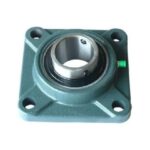
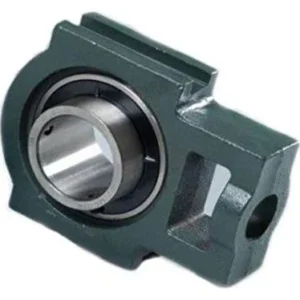
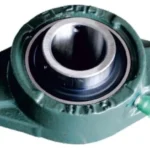
The UCFL 206 pillow block bearing is an engineering-compliant component from the 4-bolt square flange cast housing bearing series, designed for medium-duty applications with a nominal shaft diameter of 30 mm in industrial power transmission and automation systems. This specific design supports the rotational movement of the shaft while its spherical outer ring structure effectively absorbs minor misalignment errors between the shaft and the bearing housing. This self-aligning feature minimizes stresses during installation, extending the system’s operational life and preventing premature failures due to overload. The square flange housing structure, securely fastened with four bolts to flat and rigid mounting surfaces, offers excellent mechanical stability and integrity even under high vibration and impact operating conditions, thereby enhancing the precision and reliability of the rotating equipment.
The cast iron housing of the product exhibits high damping capacity and exceptional resistance to the vibrational and impact conditions frequently encountered in industrial environments. This robust structure minimizes deformation under heavy radial and axial loads, ensuring the reliability and precision of the bearing system. The bearing elements are manufactured using high-carbon chromium steel (100Cr6), offering high hardness, wear resistance, and fatigue life. The integrated grease nipple allows for periodic and easy lubrication, significantly extending the bearing’s operational life by reducing friction and heat between the inner ring and rolling elements. The double-sided rubber seals (2RS/DDU) prevent dust, chips, moisture, and other environmental contaminants from entering the bearing, ensuring continuous and reliable operation even in dirty industrial environments.
UCFL 206 Pillow Block Bearing Advantages
High Mechanical Integrity and Vibration Damping Capacity: The high-quality cast iron housing of the UCFL 206 provides superior mechanical integrity under dynamic loads and vibrations encountered in industrial applications. The natural damping properties of cast iron effectively absorb machine vibrations, reducing noise levels and supporting stable shaft operation in precision machining applications. This rigid structure guarantees long-term operational reliability by minimizing deformation of the bearing system, especially in systems with high speeds and impact loads.
Alignment Tolerance and Reduced Mounting Stresses: The spherical outer ring structure offers the ability to automatically compensate for angular misalignment errors of up to ±2 degrees between the shaft and the bearing housing. This self-aligning feature significantly reduces potential stresses and bending moments on the shaft during installation. Consequently, the load distribution on the bearing elements becomes more uniform, extending the bearing’s fatigue life and enhancing the overall durability of the system. This feature also optimizes installation time by providing ease of setup.
Optimized Maintenance and Environmental Protection: Periodic and simple lubrication can be easily performed via the integrated grease nipple, minimizing friction and heat within the bearing and extending the life of the rolling elements. The double-sided rubber seals (2RS/DDU) effectively protect the bearing interior from dust, chips, moisture, and other particulate contaminants. This sealing structure helps maintain the bearing’s reliability and continuous operational performance, especially in harsh and dirty industrial environments (e.g., woodworking, mining, agricultural machinery), thereby extending maintenance intervals and reducing operating costs.
Technical Specifications and Capacity
Feature
Value/Description
Bearing Model
UCFL 206
Shaft Diameter (d)
30 mm (Nominal)
Housing Type
Square Flange Housing (4-Bolt)
Housing Material
High-Quality Cast Iron, Vibration Absorbing
Bearing Material
High Carbon Chromium Steel (100Cr6)
Sealing
Double-Sided Rubber Seals (2RS/DDU), Dust and Dirt Protection
Operating Temperature Range
-20°C to +120°C (Depending on grease used)
Technical Frequently Asked Questions (FAQ)
What specific advantages does the spherical outer ring design of the UCFL 206 offer in terms of mounting and operational stresses?
The spherical outer ring design of the UCFL 206 pillow block bearing provides the ability to automatically compensate for minor angular misalignment errors (typically up to ±2 degrees) between the shaft and the bearing housing. This feature reduces the requirement for perfect alignment of the shaft or bearing surface during installation, simplifying the setup process and minimizing potential stresses arising from mounting errors. Operationally, this self-aligning capability prevents uneven load distribution on the bearing elements caused by slight chassis deflections or thermal expansions during machine operation. Consequently, loads are distributed more uniformly across the bearing elements, reducing friction, lowering heat generation, and significantly extending the bearing’s fatigue life, thereby enhancing the overall reliability of the system.
How do the selected materials for the housing and bearing elements of the UCFL 206 affect its performance in demanding industrial conditions?
The housing of the UCFL 206 is manufactured from high-quality cast iron. Cast iron offers high compressive strength, excellent vibration damping properties, and good machinability. This material choice ensures that the bearing maintains its precision even under heavy load and impact operating conditions by minimizing housing deformation. The vibration-absorbing nature of cast iron creates a more stable operating environment by reducing machine noise and operational vibrations. The bearing elements (inner and outer rings, balls) are made from high-carbon chromium steel (100Cr6). This alloy is heat-treated to provide high hardness, wear resistance, and fatigue strength. As a result, the bearing elements can deliver long-term, reliable performance even under high speeds and heavy loads. The combination of materials ensures that the UCFL 206 offers high durability and a long service life in demanding industrial environments.
What are the recommended lubrication procedures and the role of the sealing design for the optimal service life of the UCFL 206 pillow block bearing?
Regular and correct lubrication is critical for the optimal service life of the UCFL 206 pillow block bearing. The bearing is equipped with an integrated grease nipple, allowing for easy periodic lubrication using standard grease guns. The frequency of lubrication and the type of grease to be used should be determined based on the bearing’s operating conditions (load, speed, temperature, environmental factors); generally, manufacturer recommendations or industrial standards are followed. Proper lubrication reduces friction between bearing elements, prevents wear, controls heat generation, and provides protection against corrosion. The bearing’s double-sided rubber seals (2RS/DDU) ensure that the lubricant remains within the bearing while also preventing external dust, moisture, and other contaminants from entering the bearing. This sealing design helps protect the bearing’s internal structure, especially in dirty or humid environments, extending lubrication intervals and significantly increasing the bearing’s service life.
What industrial applications is the UCFL 206 suitable for, considering its operating temperature range and environmental resistance?
The UCFL 206 pillow block bearing is designed to perform reliably within a wide operating temperature range of -20°C to +120°C. This temperature range provides sufficient flexibility for most standard industrial applications. However, performance within this range can be optimized depending on the temperature characteristics and viscosity stability of the grease used. In terms of environmental resistance, the bearing’s double-sided rubber seals (2RS/DDU) provide an effective barrier against dust, chips, moisture, and light chemical splashes. These features make the UCFL 206 highly suitable for applications with high dust and chip generation, such as CNC machining and woodworking machines; equipment exposed to external factors like conveyors and transport systems; sectors where hygiene and contamination control are important, such as packaging and process machinery; and demanding outdoor conditions, such as agricultural machinery. This broad temperature and environmental resistance capability allows the product to ensure reliable and continuous operation across various industrial scenarios.

Reviews
There are no reviews yet.