



































































Why Do Pillow Block Bearings Fail? Understanding Causes and Prevention

📑 Table of contents (Click to open)
Practical notes for CNC router, automation and industrial motion systems.
Understanding Pillow Block Bearing Failure
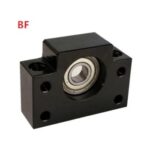
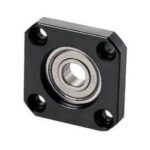
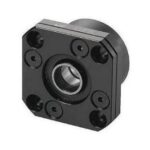
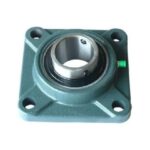
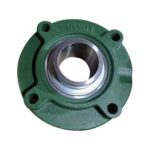
Pillow block bearings are essential components in industrial automation and machine engineering, designed to support rotating shafts, carry radial and axial loads, and ensure precise alignment. Typically, they consist of a bearing unit housed within a cast iron or pressed steel housing (the pillow block). This design facilitates easy installation and provides protection against environmental factors. However, the failure of these vital components can lead to significant disruptions and costly downtime in production lines. A pillow block bearing “failure” generally refers to the deterioration of its internal structure, damage to the rolling elements (balls or rollers), fracture of the cage, or cracking of the outer race. This means the bearing can no longer perform its function, leading to excessive friction, heat, vibration, and ultimately, machine malfunction.
Operating Principle and Technical Data
Pillow block bearings, as their name suggests, provide support and facilitate the movement of a shaft or spindle. They fundamentally comprise inner and outer races with rolling elements (balls or rollers) positioned between them, held in place by a cage. The bearing unit is typically mounted within a housing (the pillow block), which securely fastens the bearing to the machine chassis or structure. The operating principle relies on the rolling elements rotating between the shaft and the outer race with minimal friction, thus minimizing energy loss in the rotating shaft and maintaining stability even at high speeds. Pillow block bearings are widely used in conveyor systems, fans, pumps, textile machinery, and many other industrial applications.
When selecting pillow block bearings, several parameters must be considered:
- Load Capacity: The maximum radial and axial loads the bearing can withstand. Dynamic load rating (C) indicates the load a bearing can endure for a specific life, while static load rating (Co) is the load it can handle without permanent deformation when stationary or rotating very slowly.
- Speed Limit: The maximum rotational speed at which the bearing can operate without overheating or damage. Lubrication type, internal clearance, and cage design influence this limit.
- Operating Temperature: A critical factor affecting bearing and lubricant performance. High temperatures can degrade lubricants and alter bearing material properties.
- Material: Bearing races and rolling elements are typically made from high-carbon chromium steel (e.g., AISI 52100). Housings can be cast iron, pressed steel, or thermoplastic.
- Sealing Type: Protects the bearing from dust, dirt, and moisture. Common types include double-lip seals (2RS), metal shields (ZZ), and specialized labyrinth seals.
- Internal Clearance: The space between bearing elements, selected based on operating temperature, load, and precision requirements.
- Lubrication: Vital for bearing life and performance, using either grease or oil. The correct lubricant type, amount, and frequency are crucial.
| Parameter | Value/Description |
|---|---|
| Bearing Type | Self-Aligning Ball Bearing or Spherical Roller Bearing |
| Housing Material | Cast Iron (HT200), Pressed Steel, Thermoplastic |
| Bearing Material | High Carbon Chromium Steel (AISI 52100) |
| Dynamic Load Capacity (C) | Varies by application (e.g., 10 kN – 100 kN) |
| Static Load Capacity (Co) | Varies by application (e.g., 5 kN – 50 kN) |
| Max Operating Temperature | -20°C to +120°C (Dependent on lubricant) |
| Sealing Type | Double Lip Seal (2RS), Metal Shield (ZZ), Labyrinth Seal |
| Lubrication Method | Grease (Lithium Soap), Industrial Bearing Oil |
Field Considerations for Pillow Block Bearings
- Proper Installation and Alignment: Improper installation and shaft misalignment are major causes of bearing failure. Avoid striking bearing races directly with hammers during installation; use specialized mounting tools or hydraulic presses. Ensuring the shaft is correctly aligned with the bearing prevents excessive edge loading and distributes stress evenly across the rolling elements. Laser alignment tools are essential for achieving precision. Misalignment leads to abnormal vibrations, overheating, and premature fatigue cracks.
- Effective Lubrication Management: Insufficient or excessive lubrication, incorrect lubricant type, and lubricant contamination significantly impact bearing life. Lubricant reduces friction, dissipates heat, prevents corrosion, and acts as a barrier against contaminants. Strictly adhere to the manufacturer’s recommended lubrication intervals and lubricant types. Automatic lubrication systems minimize manual errors, ensuring consistent and accurate lubrication. Regular checks and replacement of contaminated lubricant are vital for bearing health.
- Environmental Condition Control: The operating environment greatly affects bearing longevity. Contaminants like dust, dirt, moisture, water, and chemical vapors can infiltrate the bearing, causing wear and corrosion on the rolling surfaces. Employing adequate sealing elements and protective covers prevents these contaminants from reaching the bearing. Extreme temperatures, both high and low, can degrade lubricant properties or induce thermal stress in the bearing material. Regularly monitor ambient temperature and humidity levels.
- Load Analysis and Correct Bearing Selection: The bearing must be capable of handling the application’s radial, axial, and combined loads. Overloading leads to premature fatigue and plastic deformation of the rolling elements. Shock loads and vibratory operating conditions may necessitate specialized designs or higher-capacity bearings. Engineering calculations considering all dynamic parameters like speed, temperature, duty cycle, and expected lifespan are crucial for correct bearing selection. An improperly selected bearing is destined for premature failure.
- Regular Maintenance and Monitoring: Predictive maintenance techniques are critical for identifying potential bearing failures in advance. Vibration analysis can detect minor cracks or surface damage on bearing elements. Thermographic inspection identifies overheating bearings, indicating issues like lubrication deficiency or overload. Acoustic emission analysis can detect early-stage micro-cracks and friction noises. Regular visual inspections and oil analysis are also simple yet effective methods for maintaining bearing health. Proactive interventions prevent major failures and unplanned downtime.

Common Issues and Solutions
Common issues encountered with pillow block bearings in industrial automation and their solutions include:
- Overheating:
- Causes: Insufficient or excessive lubrication, incorrect lubricant type, overload, improper installation (too tight fit), contamination, excessive speed, or inadequate internal clearance.
- Solutions: Verify and adjust lubrication quantity and type according to manufacturer specifications. Re-evaluate applied loads and consider higher-capacity bearings if necessary. Ensure correct installation fit and adequate internal clearance. Implement effective sealing to prevent contamination. Check operating speed against bearing limits.
- Excessive Vibration:
- Causes: Misalignment, damaged rolling elements or races, improper installation, imbalance in the shaft or connected components, or insufficient lubrication.
- Solutions: Perform precise shaft and bearing alignment using appropriate tools. Inspect bearings for damage and replace if necessary. Ensure proper installation procedures are followed. Check for and correct any imbalance issues. Verify lubrication levels and type.
- Premature Wear:
- Causes: Contamination (dust, dirt, debris), inadequate lubrication, overload, fretting corrosion due to micro-movements, or incorrect bearing material for the application.
- Solutions: Enhance sealing effectiveness to prevent ingress of contaminants. Ensure proper lubrication is maintained. Reduce operating loads or select bearings with higher load ratings. Address any potential for micro-movements or ensure proper shaft/housing fits. Select bearings made from materials suitable for the specific operating conditions.
- Cage Damage:
- Causes: Excessive speed, shock loads, improper lubrication, contamination, or material fatigue.
- Solutions: Operate within the bearing’s speed limits. Protect against shock loads through system design or by using more robust bearings. Ensure correct lubrication and prevent contamination. Monitor bearing condition for signs of fatigue.
- Corrosion:
- Causes: Exposure to moisture, water, or corrosive chemicals, especially when the bearing is idle or lubrication is inadequate.
- Solutions: Improve sealing and environmental protection. Use corrosion-resistant lubricants or coatings. Ensure proper lubrication coverage, especially during idle periods. Store bearings in a dry environment.
Conclusion
Pillow block bearings are robust components, but their longevity and reliable performance depend heavily on proper selection, installation, lubrication, and maintenance. Understanding the common causes of failure—ranging from installation errors and inadequate lubrication to environmental contamination and overloading—is the first step toward preventing costly downtime. By implementing rigorous maintenance schedules, utilizing predictive maintenance technologies like vibration analysis, and ensuring that all operational parameters are within the bearing’s specifications, industrial facilities can significantly extend the service life of their pillow block bearings. For critical applications requiring high reliability and performance, consulting with experts and choosing the right components is paramount. Ensure your CNC machinery and other industrial equipment are equipped with the best mechanical components to maintain peak operational efficiency.
For reliable and high-performance pillow block bearings and other essential mechanical components for your industrial machinery, explore our range of solutions. If you need expert advice or a specific quote for your application, request a quote on WhatsApp today!
Related product categories: Genel · Mekanik · 25 Mm Lineer Kızak, Rulman Ve Yataklar
