



































































What Happens When a Pinion Gear is Too Tight on a Rack?

📑 Table of contents (Click to open)
Discover the consequences of a pinion gear being too tight on a rack in industrial automation systems. Excessive friction, energy loss, accelerated wear, and reduced precision are key issues. Learn how to prevent and address these problems for optimal CNC router performance.
Practical notes for CNC router, automation and industrial motion systems.
Understanding the Impact of a Tight Pinion Gear on a Rack
In industrial automation, the pinion gear and rack system is fundamental for precise linear motion control. This system translates the rotational output of a motor into linear movement, crucial for CNC router machines, automated assembly lines, and material handling equipment. The efficiency and longevity of this system depend heavily on the correct meshing between the pinion gear and the rack. When the pinion gear is installed too tightly against the rack, it creates excessive pressure, leading to a cascade of detrimental effects that compromise performance and increase operational costs.
The Mechanics of a Pinion-Rack System and the Problem of Excessive Tightness
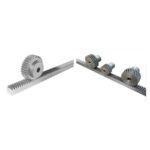
A pinion-rack system operates on the principle of converting rotary motion into linear motion. A motor drives the pinion gear, whose teeth engage with the teeth of a linear rack. As the pinion rotates, it pushes the rack along a straight path. For optimal performance, a specific amount of backlash, or play, must exist between the gear teeth. This clearance accommodates thermal expansion, allows for proper lubrication, and minimizes friction. However, when the pinion gear is forced too tightly against the rack, this critical clearance is eliminated, resulting in extreme contact pressure. This over-tight condition disrupts the designed operational parameters, causing excessive friction, heat generation, and premature wear on both components. The consequences extend beyond component damage, impacting the overall reliability and efficiency of the automated system.
Technical Implications of Excessive Pinion-Rack Tightness
The correct meshing of a pinion gear and rack is vital for smooth and accurate linear motion. When this meshing is too tight, several technical issues arise:
- Increased Friction and Wear: High contact pressure between the teeth can break down the lubricating film, leading to metal-to-metal contact. This significantly increases friction, causing accelerated wear, overheating, and potential tooth damage or breakage. The precision surfaces of the teeth can become deformed.
- Higher Energy Consumption: Increased friction means the motor must exert more torque to move the rack. This translates directly into higher electricity consumption and reduced system efficiency. The servo drive and motor work harder than necessary.
- Reduced Positional Accuracy: Uneven wear caused by excessive tightness can alter the tooth profiles, negatively impacting the system’s repeatability and absolute positioning accuracy. This is critical for high-precision applications common with industrial CNC routers.
- Elevated Noise and Vibration: The tight meshing generates more noise and vibration during operation, degrading the work environment and potentially stressing other system components, increasing the risk of failure.
- Shortened System Lifespan: The cumulative effect of increased wear, heat, and stress dramatically reduces the operational lifespan of the pinion, rack, and associated components like linear guide rails.
- Strain on Motor and Gearbox: The excessive resistance places undue load on the motor and any gearbox, potentially leading to overheating of motor windings and premature failure of gearbox components.
| Parameter | Typical Impact of Over-Tightness |
|---|---|
| Backlash (Clearance) | Reduced to zero or negative values |
| Friction Coefficient | Increase of 50-200% |
| Energy Loss | 10-30% reduction in system efficiency |
| Component Lifespan | 40-70% reduction |
| Noise Level | 5-15 dB(A) increase |
| Positional Accuracy | Degradation in repeatability (e.g., 0.05-0.2mm deviation) |
| Operating Temperature | Can increase 20-50°C above ambient |
Best Practices for Installation and Maintenance
Preventing and addressing the issue of an overly tight pinion gear requires diligent attention to installation and ongoing maintenance:
- Adhere to Installation Guidelines: Always follow the manufacturer’s specifications for backlash adjustment. Use appropriate tools like feeler gauges to ensure the correct clearance is set. Verify that the pinion rotates freely without binding after installation. Tighten adjustment screws or clamping mechanisms to specified torque values.
- Regular Inspections: Periodically inspect the pinion and rack teeth for signs of excessive wear, such as shiny surfaces, scoring, or material transfer. These are indicators of over-tight meshing. Check the lubrication system for adequacy and correct lubricant type.
- Monitor Temperature and Noise: Pay close attention to operating temperatures and noise levels. A sudden increase in temperature or the presence of grinding or high-pitched noises can signal excessive friction due to tight meshing. Thermal imaging or sound level meters can aid in detection.
- Track Motor Current: Monitoring the motor current provides a valuable diagnostic tool. A consistent rise in motor current during operation, beyond normal parameters, indicates increased resistance, likely from an overly tight pinion-rack interface. This data is crucial for predictive maintenance strategies.
- Proper Lubrication: Use the correct type and amount of lubricant recommended by the manufacturer. Proper lubrication is essential to reduce friction and wear, even in a correctly tensioned system. Ensure lubrication intervals are maintained.
- Check Bearing and Mounting Integrity: Ensure that the bearings supporting the pinion shaft are in good condition and that mounting surfaces are flat and free from distortion. Misalignment can contribute to improper gear meshing.

Common Issues and Their Solutions
When a pinion gear is too tight on the rack, several common problems emerge:
- Issue: Excessive and abnormal noise, particularly grinding sounds.
Solution: Immediately stop the system and check the pinion-rack backlash. Re-adjust to the manufacturer’s specified clearance. Ensure proper lubrication is applied. - Issue: Premature wear on pinion and rack teeth.
Solution: Inspect for signs of damage. If wear is significant, replace the affected components. Re-evaluate the installation process to ensure correct backlash is set and maintained. - Issue: Motor overheating or tripping overload protection.
Solution: Check for binding in the linear motion system. Verify backlash settings and lubrication. The spindle motor or axis motor may be overloaded due to excessive friction. - Issue: Inaccurate positioning or jerky motion.
Solution: Assess backlash and wear. Worn teeth or incorrect backlash can cause lost motion or binding, leading to inaccuracies. Ensure the motion control system is properly calibrated.
Maintaining the correct tension and backlash in your pinion-rack systems is crucial for the reliable and efficient operation of your CNC machinery. Regular checks and adherence to best practices will prevent costly downtime and extend the life of your equipment.
For robust and precise linear motion solutions, explore Mermak CNC’s range of components. If you require expert advice or customized solutions for your industrial automation needs, request a quote on WhatsApp today!