




































































When to Use a Compression Router Bit for CNC Machining

📑 Table of contents (Click to open)
Compression router bits are essential for achieving clean, chip-free cuts on double-sided materials like MDF, plywood, and laminates. This article explains their unique working principle, technical specifications, and practical applications in industrial CNC routing.
Practical notes for CNC router, automation and industrial motion systems.
Understanding Compression Router Bits in CNC Machining
In industrial automation and CNC machining, material processing quality and efficiency are paramount. The compression router bit is a specialized cutting tool that offers distinct advantages for specific material types. It is primarily chosen when a perfectly clean and chip-free finish is required on both the top and bottom edges of a cut. These bits are indispensable in the furniture, panel processing, advertising, and decoration industries, particularly for cutting materials such as laminate-faced MDF, particleboard (chipboard), plywood, and other composite panels.
The core function of a compression router bit is to prevent the delicate top and bottom layers or fibers of the material from chipping, peeling, or tearing during the cutting process. Unlike standard router bits that cut either upwards (up-cut) or downwards (down-cut), compression bits combine these two actions within a single tool. They work by applying a clamping force to both surfaces of the material along the cut line, ensuring a clean and smooth edge profile. This capability makes a critical difference in applications where the final product’s aesthetic appearance and structural integrity are vital.
Their utility extends beyond simple panel cutting; they are also ideal for engraving, grooving, and shaping operations where high surface quality is expected. For instance, when producing kitchen cabinet doors or shelving systems, having edges that are ready for immediate use without further finishing significantly reduces production time and costs. This makes compression router bits a strategic investment for businesses engaged in high-volume, precision manufacturing.
Working Principle and Technical Specifications
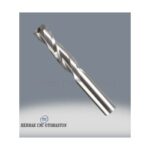
As the name suggests, the working principle of compression router bits relies on “compression.” These bits typically feature a spiral design with two distinct cutting directions: an up-cut spiral on the lower part of the bit and a down-cut spiral on the upper part. As the tool plunges into or cuts through the material, the up-cut flutes pull chips upwards, while the down-cut flutes push chips downwards. When the cut reaches the full material thickness, these opposing forces meet at the center of the cut line, effectively compressing both surfaces of the material. This compression action prevents the delicate surface layers or fibers from chipping or fraying.
This unique geometry provides superior performance on materials that are prone to chipping or delamination, such as MDF, laminates, melamine-faced boards, particleboard, wood composites, and certain solid surface materials. Compression bits can achieve clean cuts even at high feed rates, boosting production efficiency. They are typically manufactured from solid carbide, providing high wear resistance and extended tool life. Some models feature special coatings (e.g., AlTiN, TiCN) to reduce friction and further enhance durability.
Key technical parameters to consider when selecting a compression bit include:
- Diameter (D): Chosen based on the material thickness and desired groove width.
- Cutting Length (CEL): Should be slightly greater than the material thickness to ensure full compression cutting.
- Shank Diameter (SHK): Must be compatible with your CNC machine’s tool holder.
- Number of Flutes (Z): Usually 2 or 3. More flutes can yield smoother surfaces at slower feed rates, while fewer flutes allow for more aggressive material removal.
The spiral angle and overall geometry also influence cut quality and chip evacuation.
| Parameter | Value/Description |
|---|---|
| Material Type | High-quality solid carbide (WC-Co alloy) |
| Cutting Direction | Combination of up-cut spiral (bottom) and down-cut spiral (top) |
| Applications | MDF, Laminate, Melamine, Particleboard, Plywood, Solid Surface Materials |
| Flute Count (Z) | 2 or 3 flutes (varies by material and desired finish) |
| Coating Options | TiCN, AlTiN, DLC (enhances tool life, reduces friction) |
| Machining Type | Grooving, cutting, profiling, engraving |
| Tool Life | Can be 30-50% longer than standard bits with correct parameters |
Field Considerations for Optimal Performance
- Correct Feed Rate and RPM Settings: Compression bits are designed for efficient operation at higher feed rates. However, setting the appropriate feed rate and spindle speed (RPM) based on material type, thickness, and bit diameter is crucial. Too low a feed rate can cause burning or overheating, degrading edge quality and reducing tool life. Conversely, too high a feed rate can strain the bit, leading to breakage or surface imperfections. Always consult manufacturer guidelines and perform test cuts to determine optimal parameters.
- Toolpath Strategy and Depth: To fully leverage the capabilities of compression bits, ensure the toolpath is set to cut through the entire material thickness. If the bit doesn’t cut the full depth, the compression effect is compromised, leading to a lower quality edge finish. Single-pass cuts at full depth are ideal. If multiple passes are necessary, ensure the first pass covers at least the full compression cutting depth.
- Tool Maintenance and Sharpness: Like all cutting tools, regular maintenance and sharpness are vital for compression router bits. A dull bit results in poor cut quality (burn marks, rough edges) and puts unnecessary stress on the CNC machine and the tool itself. Ensure the bit is used with correct parameters and is professionally sharpened when needed. Replace any damaged or bent bits immediately.
- Material Securing: Properly securing the material during CNC operation is essential for both safety and cut quality. Material movement at high feed rates can cause cutting errors, bit breakage, and safety hazards. Use vacuum tables, clamps, or jigs to ensure the workpiece is completely stable.
- Chip Evacuation: Since compression bits tend to push chips towards the center of the cut line, an effective chip evacuation system (vacuum or air blast) is important. Accumulated chips can lead to overheating, reduced cut quality, and shorter tool life. Adequate chip removal ensures the bit operates efficiently and maintains optimal cutting performance.

Common Issues and Solutions
While compression router bits offer superior performance, certain issues can arise due to improper use or setup. Here are common problems and their solutions:
- Issue: Burn Marks or Scorching on Cut Edges:
- Possible Causes: Feed rate too low, dull bit, inadequate chip evacuation, incorrect spindle speed (RPM).
- Solutions: Increase feed rate, sharpen or replace the bit, improve chip removal, adjust RPM. Ensure the spindle motor and servo drive are functioning optimally.
- Issue: Chipped or Frayed Edges (Top or Bottom):
- Possible Causes: Material thickness exceeds cutting length, incorrect bit geometry for the material, insufficient compression force, toolpath not cutting full depth.
- Solutions: Use a bit with adequate cutting length, select the appropriate bit for the material (e.g., specific compression bits for laminates), ensure the toolpath cuts the full material thickness, verify linear guide rail precision for consistent depth.
- Issue: Excessive Tool Wear or Breakage:
- Possible Causes: Incorrect feed rate or RPM, material impurities, aggressive cutting parameters, poor quality bit.
- Solutions: Optimize feed rate and RPM, ensure material is clean, use less aggressive settings if needed, invest in high-quality carbide bits.
- Issue: Poor Surface Finish (Roughness):
- Possible Causes: Dull bit, insufficient flutes for the material, high feed rate with low RPM, inadequate chip evacuation.
- Solutions: Sharpen or replace the bit, consider a bit with more flutes, adjust feed rate and RPM balance, improve chip removal.
By understanding the principles behind compression router bits and adhering to best practices, industrial users can significantly enhance the quality and efficiency of their CNC routing operations. For advanced CNC router machines and cutting tools tailored to your specific needs, explore our solutions.
Ready to optimize your production with high-quality CNC tooling? Request a quote on WhatsApp today!
Related product categories: Genel · Çift Sıra 1 İnç Zincir Dişli · Çift Sıra 3/4 Zincir Dişli
