





































































Why Do Acrylic Edges Melt When Cut?
📑 Table of contents (Click to open)
Discover the reasons behind edge melting when cutting acrylic (PMMA). This phenomenon is caused by excessive heat generated during the cutting process, exceeding the material’s glass transition temperature. Learn how incorrect parameters, inadequate cooling, or improper tool selection contribute to this issue and how to achieve clean, precise cuts.
Practical notes for CNC router, automation and industrial motion systems.
Understanding Acrylic Edge Melting During Cutting
Edge melting during acrylic (Polymethyl Methacrylate – PMMA) cutting is a common challenge in industrial applications. This occurs when the heat generated during the cutting process exceeds the material’s glass transition temperature, leading to localized plastic deformation and melting. Several factors contribute to this, including incorrect cutting parameters, insufficient cooling, or the use of inappropriate cutting tools.
The Science Behind Acrylic Melting
Acrylic is a thermoplastic polymer, meaning it softens when heated and solidifies upon cooling. When cut using methods like laser or CNC router machines, significant thermal energy is released along the cut line. If this energy surpasses acrylic’s glass transition temperature (Tg, around 105°C) and melting point (Tm, around 160°C), the edges can melt, fuse, and deform. Maintaining precise cutting parameters and effective thermal management is crucial for achieving high-quality results and minimizing waste.
Cutting Technologies and Thermal Management
Understanding the working principles of different cutting technologies is key to managing thermal effects:
Laser Cutting and Thermal Control
CO2 laser cutting is a precise method where a high-power laser beam vaporizes or melts the acrylic. The intense heat can cause localized melting. Key parameters influencing edge quality include:
- Laser Power (Watts): Higher power cuts faster but can increase heat buildup.
- Cutting Speed (mm/s): Slow speeds allow more heat accumulation. Optimal speed depends on material thickness and laser power.
- Focus Distance and Spot Size: Precise focusing is critical for cut quality and heat distribution.
- Assist Gas (e.g., compressed air, nitrogen): Helps remove molten material and cools the cut zone, reducing melting. Insufficient gas flow can lead to re-solidification and sticking.
Mechanical Cutting (CNC Router) and Thermal Control
CNC router machines use physical cutting tools (bits) that generate heat through friction. Managing this heat is vital:
- Spindle Speed (RPM) and Feed Rate (mm/s): High RPM combined with low feed rates can cause excessive friction and heat. For acrylic, a balance is needed to ensure efficient chip removal without overheating.
- Cutter Geometry and Material: Sharp, specifically designed cutters (e.g., single-flute, high-helix bits for plastics) minimize friction and improve chip evacuation.
- Chip Evacuation: Efficient removal of chips prevents heat transfer back to the material and avoids re-welding.
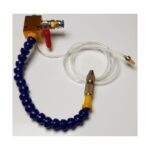
- Cooling Systems (Air Jet, Mist Coolant): Directing compressed air or a coolant mist onto the cutting zone dissipates heat, preventing melting and tool wear.
Both methods require careful control of heat to stay below acrylic’s critical temperature thresholds.
| Parameter | Value/Description |
|---|---|
| PMMA Glass Transition Temp (Tg) | ~105 – 115 °C |
| PMMA Melting Point (Tm) | ~160 – 180 °C (Softening point) |
| PMMA Thermal Conductivity | ~0.19 W/(m·K) (Low, retains heat) |
| Typical Laser Cutting Speed (3mm Acrylic) | ~20-50 mm/s (Power & quality dependent) |
| CNC Router Spindle Speed (Acrylic) | ~12,000 – 24,000 RPM (Single flute bits) |
| Effective Cooling Methods | Compressed Air Jet, Mist Coolant, Vacuum Table |
Practical Considerations for Clean Cuts
- Optimize Cutting Parameters: Fine-tune laser power, speed, and frequency, or CNC router machine spindle speed, feed rate, and depth of cut based on material thickness. Generally, higher feed rates with adequate power/speed reduce heat buildup.
- Utilize Effective Cooling: Employ compressed air jets or mist coolant systems directly at the cutting point to dissipate heat rapidly. A vacuum table can also aid in holding the material and improving air circulation.
- Select and Maintain Proper Tools: Use sharp, single-flute cutters designed for plastics for CNC router operations. For laser cutting, ensure the focusing lens is clean and correctly positioned.
- Material Quality: Consistent material quality with minimal internal stress is important. High-stress materials may be more prone to deformation.
- Efficient Chip Evacuation: Ensure chips are cleared effectively from the cutting zone, especially with servo drive controlled CNC machines, to prevent re-melting and sticking.
- Machine Calibration: Regular calibration and maintenance of your laser or CNC equipment ensure optimal performance and cut quality.
By carefully managing these factors, you can achieve clean, precise cuts on acrylic, enhancing the efficiency and quality of your industrial production.
For advanced cutting solutions and expert advice on optimizing your processes, consider exploring Mermak’s range of industrial CNC machines. Request a quote on WhatsApp today to discuss your specific needs.
Related product categories: Genel · CNC Router · Mafsallı Plastik Oynar Ayak
