






































































Why Do Pillow Block Bearings Fail? Causes and Prevention

📑 Table of contents (Click to open)
Pillow block bearings are essential for industrial machinery, but they can fail due to inadequate lubrication, overload, incorrect installation, vibration, contamination, and material fatigue. Understanding these causes is crucial for preventing costly downtime and maintenance. This article delves into the technical reasons behind pillow block bearing failures and provides practical solutions for industrial buyers.
Practical notes for CNC router, automation and industrial motion systems.
Understanding Pillow Block Bearing Failure: Causes and Prevention
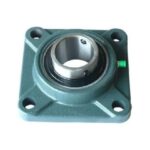
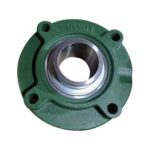
Pillow block bearings are indispensable components in industrial automation systems and rotating equipment. They support shaft rotation, carry loads, and minimize friction between moving parts. Typically consisting of a bearing housed within a cast iron or pressed steel housing, this integrated design simplifies mounting and adaptability. However, the unexpected failure or disintegration of these vital components can halt entire production lines, leading to significant consequences. The question, “Why do pillow block bearings fail?” often arises from a combination of factors spanning bearing design, material quality, operating conditions, installation precision, and maintenance practices. Identifying the root causes of these failures is critical for developing preventive maintenance strategies and extending equipment lifespan. In industrial automation, such failures translate not only to part replacement but also to production losses and substantial financial implications. Therefore, a thorough analysis of the root causes of pillow block bearing failures is essential for ensuring operational continuity.
Operating Principle and Technical Data
Pillow block bearings enable a rotating shaft or spindle to carry radial and/or axial loads with minimal friction. They typically house a ball or roller bearing supported by an external housing, which facilitates easy mounting onto a machine frame or base. The principle of operation relies on the rolling elements (balls or rollers) between the inner and outer races, distributing the load and minimizing friction. When this delicate balance is disrupted, bearing failure can occur. The primary causes of failure and their technical details include:
- Inadequate or Incorrect Lubrication: Over 40% of bearing failures are linked to lubrication issues. Insufficient lubrication leads to direct metal-to-metal contact between rolling elements and races, accelerating friction, heat, and wear. Using the wrong lubricant type (incorrect viscosity, additives) or contaminated lubricant can compromise the protective oil film, causing pitting, scuffing, and fatigue damage on bearing surfaces. Over-lubrication can also increase operating temperatures and damage seals.
- Overloading: Bearings are designed with specific static and dynamic load capacities (C0 and C values). Exceeding these design limits with excessive radial or axial loads creates undue stress on the rolling elements and races, leading to deformation, cracking, and eventual disintegration. The direction and nature of the load (static, shock, vibration) are also critical factors.
- Improper Installation: Correct installation with appropriate tolerances and methods is paramount. Misalignment between the shaft and the housing bore creates uneven load distribution on the bearing, causing premature fatigue, overheating, and vibration. Applying excessive force during installation (e.g., hammering) can cause permanent damage to the bearing elements or races.
- Contamination Ingress: The entry of dust, dirt, moisture, or metal debris into the bearing contaminates the lubricant, turning it into an abrasive paste. These particles become trapped between rolling elements and races, accelerating indentation, wear, and fatigue damage. Damaged or inadequate seals are a primary cause of contamination ingress.
- Vibration and Resonance: Excessive vibration subjects the bearing elements to constant impact loads, accelerating fatigue failure. Resonance conditions, especially when coinciding with the equipment’s natural frequencies, can drastically shorten bearing life. Vibrations can stem from shaft imbalance, misalignment, or other machine component issues.
- Material Fatigue: Bearings have a finite lifespan (L10 life) under specific load and speed conditions. Under cyclic stress, subsurface micro-cracks form and propagate, eventually leading to the detachment of material particles from the surface (pitting or spalling). This compromises the bearing’s internal structure and leads to disintegration.
- Corrosion: In humid or chemically aggressive environments, bearings are susceptible to corrosion. This leads to rust and material loss on bearing surfaces, increasing roughness, friction, and reducing fatigue life. Protective coatings or stainless steel bearings can mitigate this risk.
In the industrial automation sector, each of these technical factors directly impacts system reliability and efficiency. Proper bearing selection, meticulous installation, regular and correct lubrication, and continuous monitoring are critical steps to minimize pillow block bearing failures.
| Parameter | Value/Description |
|---|---|
| Bearing Life (L10) | The estimated life (in million revolutions or operating hours) that 90% of bearings will reach without failure. Dependent on load, speed, and material fatigue. |
| Dynamic Load Rating (C) | The radial or axial load capacity (in kN) that bearings can endure for a specified life (typically 1 million revolutions) without damage. |
| Static Load Rating (C0) | The maximum static load capacity (in kN) that bearings can withstand without permanent deformation. Important when there is no rotational movement. |
| Max. Operating Temperature | The upper temperature limit (typically -30°C to +120°C) at which bearing materials and lubricants can operate without losing their properties. |
| Lubrication Type | Grease or oil. Selection based on application conditions (speed, temperature, load, environment) considering viscosity, base oil, and additives. |
| Sealing Type | Single/double lip seals (RS, 2RS), metal shields (Z, 2Z), or special designs. Critical for preventing contamination and moisture ingress. |
| Alignment Tolerance | The permissible angular or radial deviation between the shaft and the housing bore. Misalignment leads to premature failure. |
Field Considerations for Industrial Buyers
- Correct Bearing Selection and Installation:
A critical step in the field is selecting a pillow block bearing that precisely matches the application’s requirements, including load, speed, temperature, and environmental conditions. The correct choice of bearing type (ball, roller), sealing, and housing material is fundamental for long-term, reliable operation. Always adhere strictly to manufacturer installation guidelines. Ensure the shaft and housing bore are clean and free from damage. Use appropriate tools such as bearing heaters or hydraulic presses for installation; never use a hammer, as this can cause micro-cracks in the bearing elements or races. Crucially, shaft-to-housing alignment must be achieved with millimeter precision, ideally using laser alignment tools. Misalignment is one of the most common causes of premature bearing failure due to uneven load distribution. After installation, verify that the bearing rotates freely without abnormal friction or noise.
- Effective Lubrication Management and Contamination Control:
Lubrication is paramount for bearing longevity. In the field, use the correct type of lubricant (viscosity, base oil, additives) in the appropriate quantity. Lubrication schedules should follow manufacturer recommendations, considering operating speed, temperature, and load. Regularly inspect lubricant for signs of contamination (water, particles, discoloration) and replace it as needed. Implementing effective sealing solutions and maintaining seal integrity is vital to prevent external contaminants from entering the bearing housing. Regular cleaning of the surrounding area can also significantly reduce the risk of contamination.
- Vibration Monitoring and Load Management:
Regularly monitor equipment for excessive vibration using vibration analysis tools. High vibration levels can indicate underlying issues such as imbalance, misalignment, or bearing damage. Addressing these issues promptly can prevent further damage. Ensure that the operating loads do not exceed the bearing’s rated capacity. If shock loads or frequent starts/stops are part of the operation, consider bearings with higher shock load resistance or implement operational adjustments to mitigate these stresses. Understanding the dynamic forces acting on the bearing is key to preventing overload failures.
By diligently applying these principles, industrial operators can significantly enhance the reliability and lifespan of their pillow block bearings, thereby reducing unexpected downtime and maintenance costs. For robust solutions in CNC machinery and automation, consult with Mermak CNC.
Need a reliable CNC router machine or industrial CNC router? Request a quote on WhatsApp today!
Related product categories: Genel · Mekanik · 25 Mm Lineer Kızak, Rulman Ve Yataklar
