
No products in the cart.
%39 Discount


Protex Ø5 mm 22 mm Cut Carbide CNC Bit for MDF, Wood, Acrylic
Original price was: 11.15$.6.80$Current price is: 6.80$.
High-performance carbide CNC bit designed for precise cutting of MDF, wood, and acrylic materials. Features a Ø5 mm cutting diameter and a 22 mm cutting length for efficient material processing.
In stock
🔥 Special for Today Only %39 Discount Opportunity!📦 Category: Cutting Bits
Mermak assuranceFrom factory to end user · importer / main dealer · strong stock
ImporterMain dealer / distributorStrong stockGood priceCorporate invoice
In stock / available to order · 14-day return for standard unused products; conditions may vary for custom size/cut products.
Protex Ø5 mm 22 mm Cut Carbide CNC Bit for MDF, Wood, Acrylic
INDUSTRIAL AUTOMATION PARTS | SUPERIOR PERFORMANCE SERIES
Detailed Product Review
The Protex Ø5 mm 22 mm Cut MDF, Wood, Acrylic Carbide CNC Bit is a high-performance cutting tool engineered to meet the precise material processing requirements in industrial automation systems. This bit is optimized for achieving high surface quality and dimensional accuracy, particularly when machining commonly used polymeric and lignocellulosic materials such as MDF, particleboard, solid wood, and plexiglass (acrylic). The nominal Ø5 mm cutting diameter allows for fine detail work and the creation of narrow radius contours, while the specially developed “22 Cut” geometry maximizes chip evacuation, minimizing heat buildup in the cutting zone. This design ensures burr-free and smooth cutting surfaces even at high feed rates, reducing the need for secondary operations and improving overall production efficiency. The carbide matrix structure enhances the tool’s wear resistance and thermal stability, ensuring long-lasting and consistent performance under demanding industrial conditions.
The material composition of this cutting tool consists of a micro-grain, high-density carbide, significantly increasing the tool’s hardness (approx. 90-92 HRA), wear resistance, and fracture toughness. This specific carbide alloy exhibits superior resistance to the abrasive effects of wood-based materials and the sticky wear mechanisms encountered when machining thermoplastics like plexiglass. The bit features a 6 mm shank diameter, ensuring broad compatibility with standard CNC machining centers and routers, allowing for seamless integration with ER collets, hydraulic tool holders, and other common collet systems. The 22 mm cutting length offers the capacity for single-pass machining on various panel thicknesses, while the 50 mm overall length is optimized for a secure connection to the tool holder and sufficient machining depth. The Protex bit can be used in a wide range of industrial applications, from furniture and interior decoration industries to advertising and sign production, and even in the prototyping and serial production of precision machine and automation parts, ensuring consistent and excellent results even with materials of varying densities.
Advantages of the Protex Ø5 mm 22 mm Cut MDF, Wood, Acrylic Carbide CNC Bit
High-Density Micro-Grain Carbide Structure: The Protex bit is manufactured from a specially selected micro-grain, high-density tungsten carbide (WC) and cobalt (Co) binder matrix. This composite material increases the tool’s Vickers hardness (HV) to the range of 1600-1800, while also offering high transverse rupture strength (TRS) and fracture toughness (KIC) values. These properties enhance the tool’s resistance to abrasive wear, ensuring the cutting edge maintains its integrity for a long time, especially in high-density materials containing binders like MDF and particleboard. Its thermal stability allows it to resist heat generated at high cutting speeds, significantly extending tool life compared to conventional HSS or lower-quality carbide bits, thereby minimizing tool change frequency and subsequent production downtime.
Optimized “22 Cut” Spiral Geometry and Chip Evacuation: This bit features two up-cut spiral flutes designed with a special cutting geometry known as “22 Cut.” This geometry, through a specific helix angle and flute profile optimization, effectively evacuates chips generated during the cutting process upwards from the cutting zone. The rapid and efficient removal of chips prevents chip jamming, re-cutting, and heat buildup. Particularly in machining thermoplastics like plexiglass, low heat buildup prevents material melting and sticking to the cutting edge, resulting in burr-free and smooth surfaces. In wood-based materials, it minimizes fiber tear-out, creating clean cut edges and reducing the need for post-machining sanding or finishing.
Consistent Machining Performance Across a Wide Material Spectrum: The Protex Ø5 mm carbide bit is designed to deliver superior and consistent machining performance on a wide range of materials, including MDF, particleboard, solid wood, plexiglass (acrylic), PVC, plywood, and various composite panels. This versatility is achieved through the balance between the cutting edge geometry, helix angle, and the mechanical properties of the carbide matrix. In these materials with varying densities, hardness, and thermal properties, the bit operates by ensuring optimal chip formation and evacuation without compromising surface quality or dimensional accuracy. This eliminates the need for operators to stock multiple specialized tools for different projects, providing operational flexibility and simplifying tool management, thus enhancing the adaptability of the production line.
Technical Specifications and Capacity
Feature|Value/Description
Bit Type|Carbide CNC Router Bit
Cutting Diameter (D)|Ø5 mm (Nominal Diameter). Capacity for precise detail work and fine contour creation.
Cutting Length (L1)|22 mm. Provides single-pass machining depth for medium-thickness panels.
Shank Diameter (D1)|6 mm. Compatible with industrial standard CNC machine collets and sleeves.
Overall Length (L)|50 mm. Optimized for secure mounting in tool holders and sufficient machining reach.
Material|High-Density Micro-Grain Carbide. High wear resistance and hardness.
Number of Flutes|2 Flutes (Up-cut Spiral). Efficient chip evacuation and smooth surface finish.
Cutting Geometry|Special “22 Cut” Design. Low vibration, reduced heat, and high-precision cuts.
Application Areas|MDF, Particleboard, Solid Wood, Plexiglass (Acrylic), PVC, Plywood, Composite Panels.
Maximum Spindle Speed|Up to 24,000 RPM. Suitable for high-speed and efficient operation.
Tool Holder Compatibility|ER Collets, Hydraulic Tool Holders, and other standard collet systems.
Product Barcode No|8692024018646
Technical Frequently Asked Questions (FAQ)
What is the engineering explanation for how the Protex Ø5 mm carbide bit achieves optimal performance on materials with different physical properties, such as MDF and Plexiglass?
The Protex bit’s versatile performance is achieved through the balance of high hardness and toughness of the micro-grain carbide, combined with the specialized design of the “22 Cut” geometry. On fibrous and abrasive materials like MDF, the high wear resistance of the carbide preserves the cutting edge’s sharpness, minimizing fiber tear-out and surface fuzzing. For thermoplastics like plexiglass, the up-cut spiral flutes with a positive helix angle rapidly evacuate chips from the cutting zone, reducing friction-induced heat buildup. This keeps the material below its melting point, preventing sticking to the cutting edge and avoiding surface scorching. Furthermore, the optimized cutting edge profile provides low cutting forces and minimal vibration on both material types, resulting in a burr-free and smooth surface finish.
What are the primary wear mechanisms encountered by this tool, and how does the Protex bit’s construction contribute to extending tool life under high-speed machining conditions?
The main wear mechanisms encountered by the Protex bit include abrasive wear, particularly from binders and fibers in materials like MDF and particleboard; adhesive wear, caused by material buildup on the cutting edge when machining thermoplastics like plexiglass; and thermal wear resulting from thermal loading at high cutting speeds. The Protex’s high-density micro-grain carbide structure, with its homogeneous distribution of WC grains and optimized cobalt binder content, exhibits superior resistance to these wear mechanisms. The microstructure makes it difficult for carbide grains to pull out, preserving the integrity of the cutting edge. Additionally, the “22 Cut” geometry reduces cutting forces and consequently heat generation, minimizing thermal fatigue. This integrated design approach allows the tool to maintain its sharpness and geometric accuracy even during high-speed, prolonged operations, significantly extending its service life.
What engineering principles should be considered when determining the optimal feed rates and spindle speeds for the Protex bit on different materials?
When determining optimal feed rates (Fz) and spindle speeds (n), the relationship between chip load, the material’s thermal and mechanical properties, and the tool’s geometry is critical. Generally, for thermoplastics like plexiglass, higher spindle speeds (20,000-24,000 RPM) and moderate feed rates are preferred to achieve a smooth surface without melting. For wood-based materials (MDF, solid wood), lower spindle speeds (12,000-18,000 RPM) and higher feed rates (without exceeding chip evacuation capacity) may be suitable to prevent burning and minimize fiber tear-out. Chip load, representing the thickness of material removed by each cutting edge, is crucial for tool life and surface quality; excessively low chip load increases friction, while excessively high chip load can lead to tool breakage. Initial parameters are typically based on manufacturer recommendations and then fine-tuned based on the specific material properties and desired surface finish.
What is the engineering impact of the “22 Cut” geometry on chip evacuation and the final surface finish, and how does it differ from conventional two-flute bits?
The “22 Cut” geometry refers to the Protex bit’s specially optimized helix angle, flute depth, and cutting edge profile. Working in conjunction with the two up-cut spiral flutes, it extremely effectively evacuates chips upwards, away from the workpiece, during the cutting process. In conventional two-flute bits, chip evacuation may be less optimized, potentially leading to chip jamming, re-cutting, and subsequent heat buildup in the cutting zone. The “22 Cut” geometry minimizes these issues, reduces cutting forces, lowers tool vibration, and eliminates the risk of melting or burning, especially on sensitive materials like plexiglass. Consequently, this engineering optimization results in a burr-free, smooth, and high-aesthetic finish on machined surfaces, while also extending tool life and allowing for higher feed rates, thereby increasing production efficiency.
Mermak has 16 years of experience in the industry, operating from our factory and warehouse in Ankara. Our website features up-to-date stock quantities and prices. Stocked products are dispatched directly from our warehouse, eliminating production waiting times. We ensure careful packaging and meticulous follow-up of invoices and documents. Through reliable logistics partners, Mermak ensures the shipment process is closely monitored by our team. Upon request, product videos and factory tours can be arranged via WhatsApp or other contact channels. We proudly supply our products to customers in the United Kingdom, United States, Canada, Australia, Ireland, New Zealand, South Africa, and similar international markets.
| Dimensions |
|---|
You must be logged in to post a review.
Taksit Tablosu
Related Products
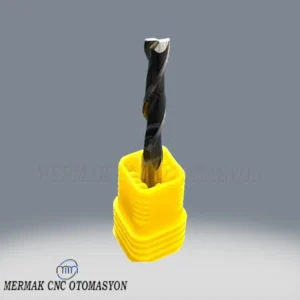 %39 DiscountProtex Ø4 mm 22 mm Cut Carbide Router Bit for MDF, Wood, and PlexiglassOriginal price was: 6.82$.4.16$Current price is: 4.16$.View
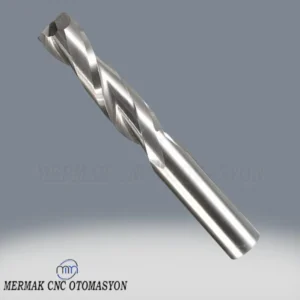 %39 DiscountØ8x22 Carbide End Mill for MDF, Wood, Acrylic, and AluminumOriginal price was: 14.86$.9.06$Current price is: 9.06$.View
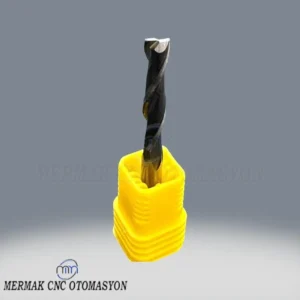 Protex Ø3 mm 22 mm Cut Carbide CNC Bit for MDF, Wood, Plexiglass4.64$View
Reviews
There are no reviews yet.