
No products in the cart.
%40 Discount


0.75 kW Hertz Spindle Motor ER20 24000 RPM 220V
Original price was: 226.19$.135.71$Current price is: 135.71$.
High-performance 0.75 kW Hertz Spindle Motor with ER20 collet system, capable of 24,000 RPM, designed for precision CNC applications. Operates on 220V (via VFD).
Out of stock
🔥 Special for Today Only %40 Discount Opportunity!📦 Category: General🏷️ Power (kW): 0,75 kw🏷️ Collet Standard: ER20🏷️ Connection Voltage: 220 VOLT
Mermak assuranceFrom factory to end user · importer / main dealer · strong stock
ImporterMain dealer / distributorStrong stockGood priceCorporate invoice
Contact us for stock information · 14-day return for standard unused products; conditions may vary for custom size/cut products.
0.75 kW Hertz Spindle Motor ER20 24000 RPM 220V
INDUSTRIAL AUTOMATION PARTS | SUPERIOR PERFORMANCE SERIES
Detailed Product Review
The Hertz HMA95 0.75 kW Spindle Motor is a high-frequency processing unit operating on the principle of a three-phase asynchronous motor. This motor generates a rotating magnetic field by applying variable frequency and voltage alternating current to the stator windings, driving the rotor via induction. Consequently, it operates in conjunction with a variable frequency drive (VFD) that allows for stepless speed control of the spindle between 0 and 24,000 revolutions per minute (RPM). Its high-speed capability enables the cutting tool to engage with the material with more cutting edges per unit of time, facilitating high feed rates and superior surface quality, especially on materials requiring low cutting force such as wood, plastics, composites, and aluminum alloys. The ER20 collet system at the spindle’s end ensures that cutting tools with diameters ranging from 1 mm to 13 mm can be mounted with high precision and minimal runout, a critical factor for machining accuracy and tool life. The integrated fan-based air cooling system maintains the motor’s thermal stability during prolonged high-speed operations, minimizing performance degradation and bearing wear.
The body of the Hertz HMA95 spindle motor is typically manufactured from a special alloy aluminum to optimize heat dissipation and ensure structural rigidity. Its internal construction utilizes high-speed precision bearings, often ceramic or high-precision angular contact ball bearings, to enhance radial and axial load capacity, ensuring stability and longevity at high RPMs. System integration for this motor is achieved through a VFD requiring a 220V or 380V (configurable via VFD) three-phase power supply; the VFD manages the motor’s speed, torque, and protection functions. Electrical connection is usually made via industrial standard shielded cables and aviation-type connectors, which reduce electromagnetic interference (EMI) and support the stable operation of CNC control systems. Application areas cover a wide range requiring high speed and precision: detailed carving and engraving in the wood and furniture industry; precise cutting of acrylic, PVC, and composite panels in the advertising sector; shaping plastic and foam materials in prototyping and model making; ideal for micro-drilling and path engraving in electronic circuit board (PCB) manufacturing; and fine engraving and milling operations on light metals like aluminum and brass. It can also be utilized in niche applications such as wax modeling and precision metalworking in the jewelry industry.
Advantages of the 0.75 kW Hertz Spindle Motor ER20 24000 RPM 220V
High Speed Precision and Surface Quality Optimization: The maximum rotational speed of the Hertz HMA95 spindle motor at 24,000 RPM significantly increases the number of cutting edges passing over the workpiece per unit of time (fz * Z * N). This allows for micron-level smooth surface finishes (low Ra values) on materials like wood, plastic, composites, and aluminum by reducing cutting forces and optimizing chip formation. High speed reduces the tendency of the cutting edge to tear or fracture the material, offering a cleaner cutting action crucial for burr-free edges and polished-looking surfaces. Furthermore, higher cutting speeds (Vc) enable more aggressive feed rates while preserving tool life, thereby reducing machining times and increasing production efficiency.
ER20 Collet System for Wide Tool Compatibility and Mechanical Stability: The integrated ER20 collet system is an industrial standard, offering high clamping force and excellent concentricity (runout) for a wide range of tool shank diameters from 1 mm to 13 mm. This system ensures the cutting tool rotates with minimal deviation from the spindle axis, enhancing machining accuracy and extending tool life. Secure tool holding even at high RPMs reduces vibration and minimizes dynamic imbalances during machining. The widespread availability and modular nature of ER20 collets provide users with the flexibility for quick and easy transitions between different tool geometries and sizes, ensuring maximum adaptability across various projects. Proper collet tightening and cleanliness are essential for maintaining the system’s nominal runout values.
Optimized Power-Torque Balance and Thermal Management: With a power output of 0.75 kW (approximately 1 HP), this spindle motor strikes an ideal balance for detailed and precise machining operations on a wide range of materials including wood, MDF, acrylic, composites, and light metals. This power level reduces operating costs by avoiding unnecessary energy consumption while ensuring stable cutting performance by providing adequate torque even at high speeds. The motor’s air-cooled design with an internal fan effectively dissipates heat generated in the stator windings and bearings. This thermal management prevents overheating during prolonged operating sessions, extending bearing life and minimizing spindle runout or precision losses due to thermal expansion, thereby ensuring the motor consistently maintains its nominal performance and machining accuracy.
Technical Specifications and Capacity
Feature
Value/Description
Brand / Model
Hertz / HMA95
Motor Power
0.75 kW / 1 HP
Maximum Speed
24,000 RPM
Collet System
ER20 (1mm – 13mm tool capacity)
Operating Voltage
220V (Delta) / 380V (Wye) – Adjustable via VFD
Cooling Method
Air Cooled (Internal Fan)
Frequency Range
0 – 400 Hz
Nominal Current
3.5 Amps (at 220V connection)
Bearing Type
High-Speed Precision Bearings
Technical Frequently Asked Questions (FAQ)
What periodic maintenance procedures are recommended to extend the spindle motor’s lifespan?
Regular maintenance is critical for the long-term, stable operation of the spindle motor. Firstly, the air cooling system (fan and cooling fins) must be kept free of dust and debris accumulation; this preserves thermal efficiency and prevents overheating. The ER20 collet and collet nut should be regularly cleaned of microscopic chips and contaminants generated during tool changes; this minimizes tool runout and optimizes clamping force. While the motor’s bearings are typically sealed and do not require special lubrication, their condition should be checked if abnormal noise or vibration is observed. Furthermore, periodic verification of VFD parameters (frequency, voltage, current limits) against the motor’s nominal values, and checking electrical connections for looseness or corrosion, are important to prevent electrical failures. The integrity of shielded cables and the effectiveness of grounding connections should also be regularly inspected to prevent EMI issues.
How do the torque characteristics of a 0.75 kW spindle motor affect processing performance on different materials?
The torque characteristics of a 0.75 kW spindle motor directly influence processing performance, depending on factors such as material hardness, tool diameter, and cutting depth. The relationship between power (P), torque (T), and angular velocity (ω) in asynchronous motors is expressed by the formula P = T * ω. This implies that at a given power output, torque decreases as rotational speed (RPM) increases. At lower speeds (e.g., 5,000-10,000 RPM), the motor can produce higher torque, which is advantageous for deeper cuts or higher material removal rates in softer materials like wood or plastic with larger diameter tools. At higher speeds (e.g., 18,000-24,000 RPM), torque decreases, but the increased cutting speed is ideal for fine detail work, engraving, or smooth surface finishing on light metals like aluminum with smaller diameter tools. In this speed range, high-quality results can be achieved with lower torque due to reduced cutting forces. Therefore, optimizing speed and feed rate according to the material and machining strategy is essential to utilize the motor’s torque capacity most efficiently.
Why is tool runout a critical parameter in the ER20 collet system, and what are the typical values for this motor?
Tool runout, which indicates the deviation of the cutting tool from its axis of rotation, is a critical parameter with a direct impact on machining quality, tool life, and workpiece precision. High runout causes all cutting edges to not engage the material equally with each rotation, leading to overloading of individual cutting edges, premature tool wear, increased surface roughness, vibration, and unwanted marks on the workpiece. For precision spindle motors like the Hertz HMA95, typical runout values measured at the collet seat are targeted between 0.005 mm (5 microns) and 0.01 mm (10 microns). However, this value can vary depending on the quality of the collet, the accuracy of the tool shank, and the proper installation and tightening of the collet. Using a high-quality ER20 collet and correct mounting techniques ensures that the motor’s nominal runout values are maintained, providing optimal machining performance and extended tool life. Regular checking of runout and keeping the collet and tool clean are essential for maintaining this precision.
How does the thermal management of this air-cooled spindle motor maintain its precision during prolonged operations?
The integrated air cooling system of the Hertz HMA95 spindle motor plays a crucial role in maintaining machining precision by preserving the motor’s thermal stability during prolonged, high-speed operations. Heat is generated in the motor’s stator windings due to copper losses (Joule effect) and in the bearings due to friction. The internal fan dissipates this heat outwards through the motor housing, keeping the operating temperature within a specific range. Thermal expansion refers to the change in size of metal parts with temperature variations. If the spindle motor’s temperature increases uncontrollably, micron-level expansions occur in the dimensions of the spindle and bearings. These expansions can increase the axial and radial runout of the spindle, alter bearing preload, and consequently negatively affect machining accuracy. Effective air cooling minimizes this thermal expansion, preserving the geometric accuracy of the spindle and collet system. It also prevents bearing overheating, which could degrade lubricant properties and shorten bearing life, directly impacting the spindle’s long-term performance and precision.
Mermak has 16 years of experience in industrial automation. Our products are stocked and shipped from our factory/warehouse in Ankara Uzay Sanayi. Current stock quantities and prices are updated on our website. Stocked products are dispatched directly from our warehouse, eliminating production waiting times. We ensure careful packaging, meticulous invoice and document follow-up, and utilize reliable logistics partners. The Mermak team actively monitors the shipment process. Upon request, we can arrange video viewings of our products or factory via WhatsApp or other contact channels. We proudly supply our products to customers in the United Kingdom, United States, Canada, Australia, Ireland, New Zealand, South Africa, and similar countries and international markets.
| Power (kW) | 0,75 kw |
|---|---|
| Collet Standard | ER20 |
| Connection Voltage | 220 VOLT |
| Maximum Speed |
You must be logged in to post a review.
Taksit Tablosu
Related Products
 1 kW 24000 RPM Arel Motor ARFM.2Y-M5160.68$View
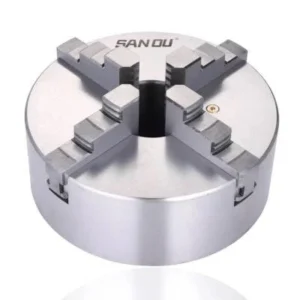 %30 Discount125x4 Sanou 4-Jaw Independent ChuckOriginal price was: 173.14$.121.20$Current price is: 121.20$.View
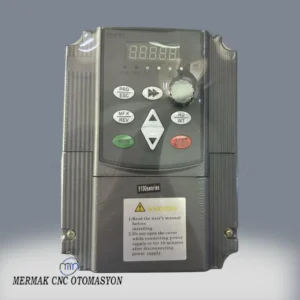 %35 Discount220V Input 380V Output Ecogoo 2.2 kW 9100-1T3-00220GOriginal price was: 414.00$.270.72$Current price is: 270.72$.View
Reviews
There are no reviews yet.